Bee Balm as a Hummingbird Nectar Plant: Best Varieties and Locations
The Buzz on Bee Balm: Nature’s Gift to Hummingbirds
Bee balm, also known as Monarda, not only captivates the eye with its vibrant, showy blooms but also plays a crucial role in the garden ecosystem, especially for hummingbirds. This fragrant herb hails from the mint family and is highly revered for its nectar-rich flowers, making it a perfect choice for those looking to attract hummingbirds. Let’s dive into the benefits of bee balm as a hummer nectar plant, explore the most suitable varieties, and identify the best planting zones in the country.
Why Choose Bee Balm as a Hummingbird Nectar Plant?
Abundant Nectar Supply
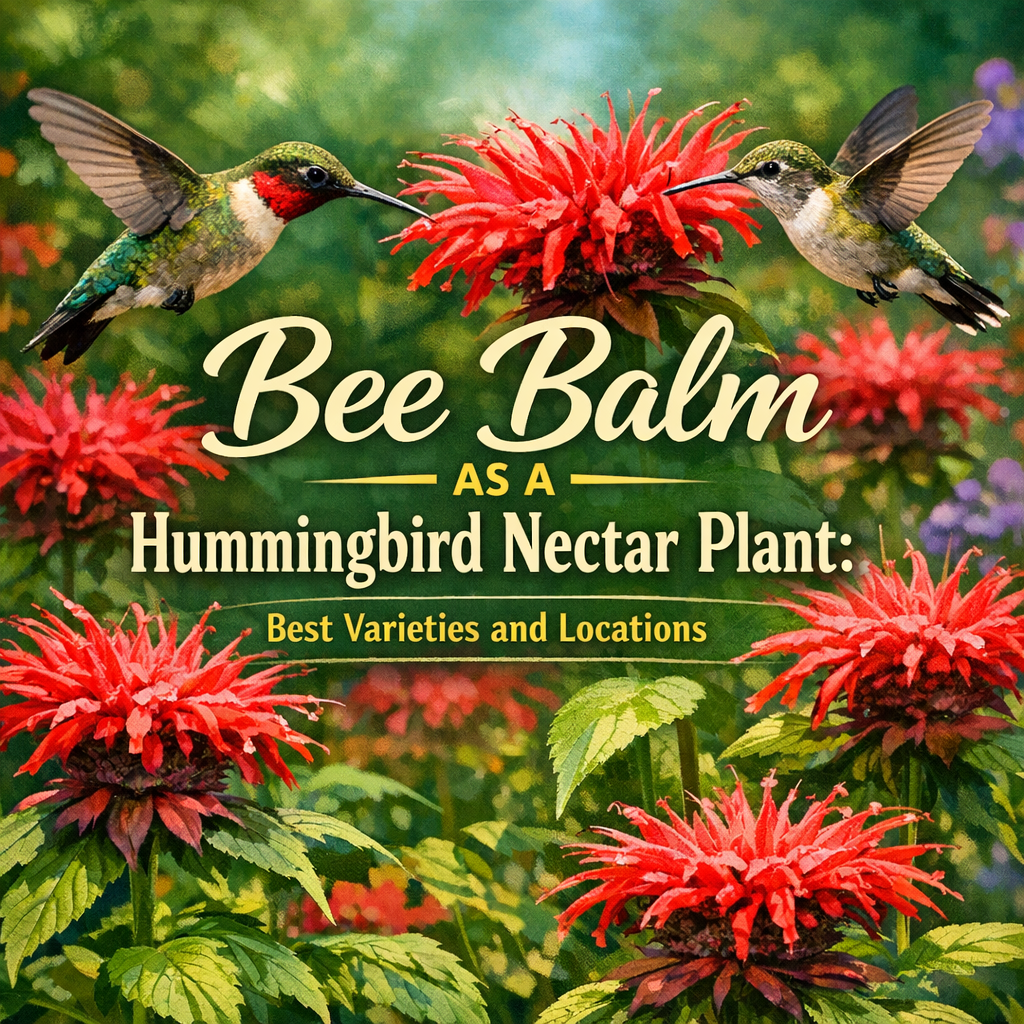
Bee balm is a powerhouse when it comes to nectar production. The tubular shape of its flowers is an ideal fit for hummingbirds, whose long beaks can easily access the deep nectar reserves. This abundance not only feeds the tiny birds but also ensures they return, making your garden a hummingbird hotspot.
Long Blooming Period
Another advantage of bee balm is its lengthy blooming season. Most varieties will start flowering in early summer and can continue into the late summer or even early fall, providing a consistent food source for migrating or resident hummingbirds.

Dual Benefit: Attracting Pollinators
Besides hummingbirds, bee balm is also a magnet for bees, butterflies, and other beneficial pollinators. Planting bee balm contributes to the health of your local ecosystem by supporting a wide range of pollinators, which are crucial for the pollination of many other plants.
Recommended Varieties of Bee Balm
When selecting bee balm for your garden, consider these varieties renowned for their appeal to hummingbirds:
1. Monarda didyma
- Commonly known as: Scarlet Bee Balm
- Characteristics: Bright red flowers that are a favorite among hummingbirds.
- Growth Conditions: Thrives in full sun to partial shade and prefers moist, well-drained soil.
2. Monarda fistulosa
- Commonly known as: Wild Bergamot
- Characteristics: Lavender blooms that attract a wide array of wildlife.
- Growth Conditions: More drought-tolerant than M. didyma, making it suitable for various garden conditions.
3. Monarda ‘Jacob Cline’
- Commonly known as: Jacob Cline Bee Balm
- Characteristics: Known for its vigorous growth and resistance to powdery mildew. The bright red flowers are particularly attractive to hummingbirds.
- Growth Conditions: Performs well in full sun and moist, fertile soil.
By choosing any of these varieties, you ensure a colorful and lively garden that hummingbirds will love to visit.
Best Planting Zones for Bee Balm
Bee balm is quite adaptable and can be grown in a variety of climatic conditions across the United States. However, it flourishes best in:
- USDA Zones 4-9: These zones offer the optimal conditions for bee balm, allowing it to establish itself and proliferate. The plant is hardy and can tolerate the winter temperatures in these zones, coming back year after year.
Key Tips for Planting Bee Balm
- Sunlight Exposure: Most bee balm varieties prefer full to partial sunlight. Ensure they get at least 6 hours of direct sunlight a day for optimal growth and bloom production.
- Soil Requirements: Plant in rich, well-draining soil. Adding compost can enhance soil fertility and texture.
- Spacing: Give plants enough room to grow, generally 18-24 inches apart, to help reduce the risk of powdery mildew.
- Watering: Keep the soil consistently moist but not waterlogged. Mulching can help retain soil moisture and control weeds.
- Pruning: Deadheading the spent blooms can encourage more flowers and prevent the plant from becoming invasive.
In summary, bee balm is not only a stunning addition to any garden but also an essential plant for attracting and nourishing hummingbirds. By choosing the right varieties and planting them in suitable zones, gardeners can enjoy a vibrant, eco-friendly garden that supports these enchanting creatures. Bee balm’s role as a nectar source is undoubtedly invaluable, proving that this plant is a real treasure for nature enthusiasts and hummingbird lovers alike.