Guide to Hummingbirds in Minnesota: Types, Plants, and Planting Tips
title: Discovering Hummingbirds in Minnesota
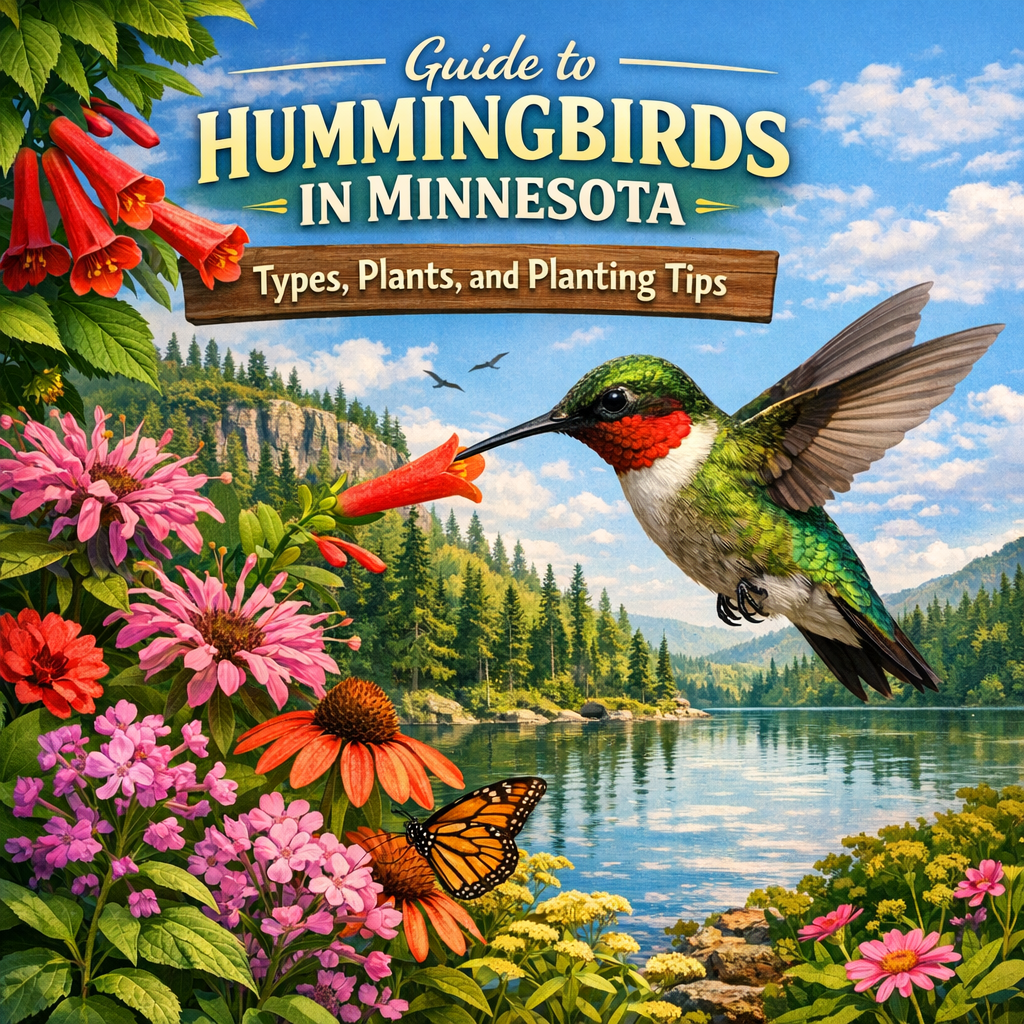
Minnesota, known for its stunning lakes and diverse wildlife, is a haven for bird enthusiasts. Among the vibrant bird population, hummingbirds hold a special place with their mesmerizing wings and quick movements. This blog explores which hummingbirds you can find nesting in Minnesota, the best plants to attract them, and optimal planting conditions for these bird-friendly havens.
Types of Hummingbirds Nesting in Minnesota
Ruby-throated Hummingbird
The Ruby-throated Hummingbird is the most commonly spotted hummingbird in Minnesota. They usually arrive in late April or early May and stay until September. These birds can be identified by the iridescent red throat patch found in males and the emerald green back shared by both genders.
Rare Visitors
Occasionally, Minnesotans might spot a Rufous Hummingbird which is primarily found in the western United States but can stray into Minnesota. These are rare and such sightings are typically a treat for avid bird-watchers.

Best Plants for Attracting Hummingbirds in Minnesota
Bee Balm (Monarda)
Bee Balm is not only a favorite among the Ruby-throated Hummingbirds but also adds vibrant colors and a lovely scent to gardens. It thrives in full to partial sun and has a high nectar content which is perfect for attracting hummingbirds.
Cardinal Flower (Lobelia cardinalis)
This plant boasts brilliant red flowers, which are highly attractive to hummingbirds. The Cardinal Flower prefers wet environments, making it suitable for areas near ponds or streams in your garden.
Trumpet Vine (Campsis radicans)
With its large, bright orange flowers, the Trumpet Vine is impossible for hummingbirds to ignore. It’s a robust climber that does well on fences or trellises, offering both lush foliage and a reliable food source for the birds.
Hummingbird Mint (Agastache)
This plant not only attracts hummingbirds with its tube-shaped flowers but also adds a delightful fragrance to your garden. Available in various colors, it provides ample nectar throughout the blooming season.
USDA Planting Zones and Best Planting Season
Minnesota spans across USDA zones 3a to 5a. This variance significantly influences what plants can be grown and when. Hummingbird-friendly plants usually thrive best when planted in the spring after the threat of frost has passed. This timing helps ensure that they are well established by the time hummingbirds arrive in the state.
- Spring Planting: Late March to late May (depending on your specific zone)
- Fall Planting: September to mid-October, allowing plants to set roots before the frost but this can vary based on the specific needs of the plant and local climate conditions.
Creating a Hummingbird-Friendly Garden
To attract more hummingbirds to your garden, consider the following tips:
- Plant in Clusters: Hummingbirds are more likely to visit large patches of bright flowers than scattered plants.
- Add a Water Source: A small fountain or bird bath can provide hummingbirds with a space to bathe and drink.
- Avoid Pesticides: Using chemicals in your garden can harm the hummingbirds and other wildlife.
- Provide Perches: Hummingbirds need to rest frequently, so having trees or shrubs nearby can make your garden more inviting.
Conclusion
Whether you are a seasoned birder or a casual observer, adding a hummingbird-friendly environment to your Minnesota garden can provide endless hours of nature watching. By planting the right blooms and creating a welcoming space, you’ll not only enjoy the beauty and vibrancy of these remarkable birds but also contribute positively to the local ecosystem. Start planning your hummingbird haven today and prepare for the flutter and buzz of Minnesota’s most enchanting avian visitors!