Recent Studies on Nectar Requirements for Hummingbirds During Nesting
Recent Studies on Hummingbird Nectar Needs During Nesting Season
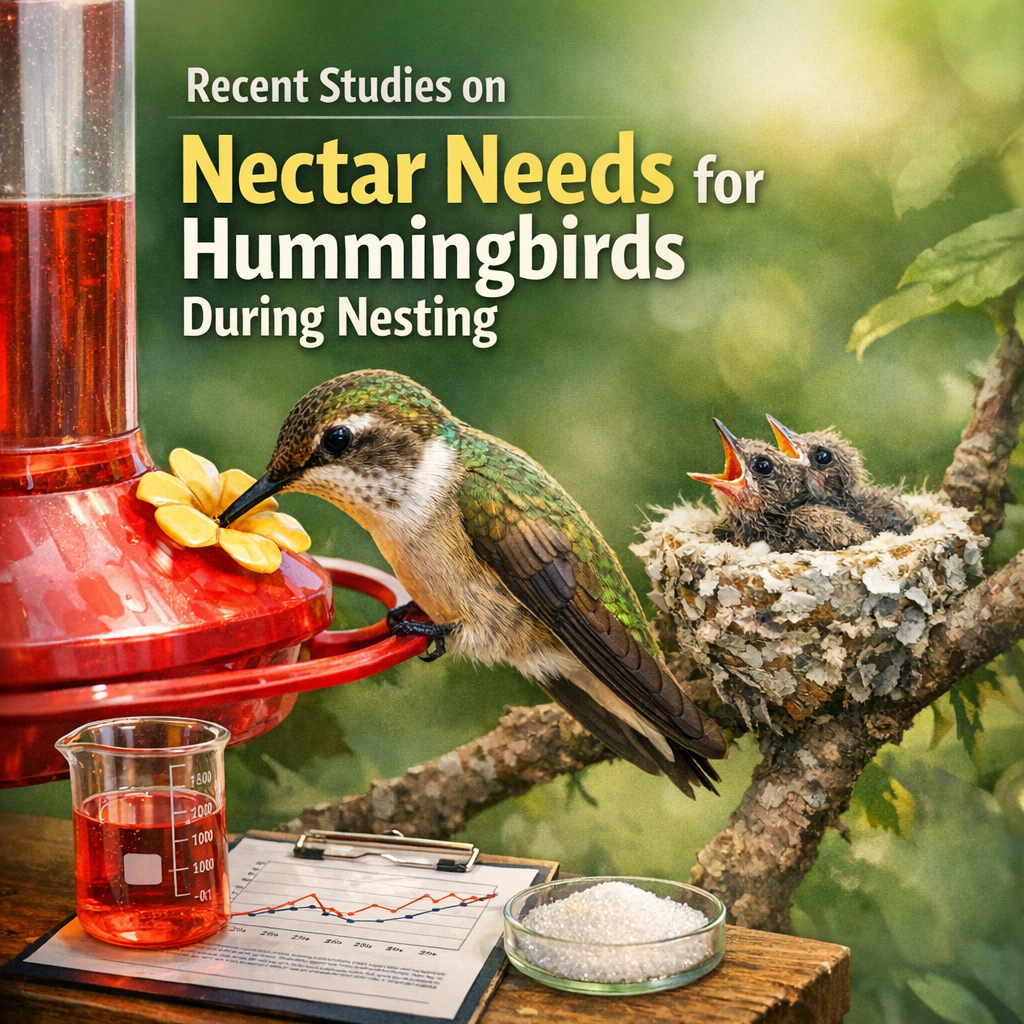
Hummingbirds, those mesmerizing avian acrobats, require vast amounts of energy to sustain their high-speed lifestyles. This need becomes even more pronounced during the nesting season when they are not only maintaining their own metabolism but also supporting their offspring. Over the past five years, several important studies have shed light on just how much nectar these tiny birds need during this critical period. Let’s dive into the latest research findings.
Understanding Hummingbird Nectar Consumption
The Basics of Hummingbird Metabolism
Before delving into specific studies, it’s important to understand the basics of hummingbird metabolism. These birds have an extraordinarily high metabolic rate, which requires them to consume approximately half their body weight in sugar each day. During the nesting season, a mother hummingbird must not only feed herself but also her chicks, significantly increasing her nectar needs.
Factors Influencing Nectar Needs
Several factors influence the amount of nectar a hummingbird needs during the nesting season:

- Number of chicks: More chicks mean more mouths to feed, increasing the mother’s daily nectar requirement.
- Ambient temperature: Cooler weather can increase nectar needs as birds expend more energy to maintain body temperature.
- Nectar quality: The sugar concentration in nectar can vary; higher quality (sweeter) nectar can reduce the amount needed.
Key Studies from the Last Five Years
Recent research has provided new insights into the specific nectar requirements of nesting hummingbirds. Here are some notable studies:
1. “Nectar Consumption Rates in Ruby-Throated Hummingbirds” (2021)
This study, conducted by researchers at the University of Arizona, focused on the Ruby-Throated Hummingbird. It found that during the peak of the nesting season, a single mother may consume up to three times her body weight in nectar daily. The study highlighted the critical role of local flower populations in supporting these birds.
2. “Impact of Urbanization on Hummingbird Diet and Nesting Success” (2019)
Researchers from the California Institute of Ecology explored how urbanization affects the nectar availability for hummingbirds. It was observed that in urban areas, where natural flowers are less abundant, hummingbird feeders became crucial for sustaining nesting mothers. The study suggested that having a feeder can double the survival rate of chicks in highly urbanized areas.
3. “Climate Change and Its Influence on Nectar Quality” (2022)
This groundbreaking study from the University of British Columbia investigated how shifting climate patterns have altered the sugar concentration in flower nectar. As a result, hummingbirds in some regions are having to consume more nectar to meet their nutritional needs, impacting their overall health and nesting success.
How to Support Hummingbird Populations
Given the findings of these recent studies, here are some effective strategies to support hummingbirds during their nesting season:
- Plant native flowers: Cultivate a variety of native, nectar-rich flowers that bloom at different times throughout the season.
- Maintain clean feeders: If you use hummingbird feeders, ensure they are cleaned and refilled regularly to prevent the spread of disease.
- Provide water sources: A shallow water bath can help not only with hydration but also with cooling on hot days.
- Avoid pesticides: Chemicals can contaminate nectar sources and are harmful to both hummingbirds and their food sources (like insects).
Conclusion
The latest research over the past five years has not only deepened our understanding of the nectar needs of hummingbirds during the nesting season but also underscored the impact of environmental changes and urbanization. By implementing supportive practices, we can help ensure that these incredible birds continue to thrive in our changing world. Whether you are an avid bird watcher or simply someone who enjoys the beauty of nature, taking steps to support hummingbirds is a rewarding endeavor that benefits both the birds and the environment.