Top 4 Hummingbird Plants Matching Sugar Shaker Nectar Maker Ratio
title: Discover the 4 Common Plants That Perfectly Mimic the Ideal Hummingbird Nectar Ratio
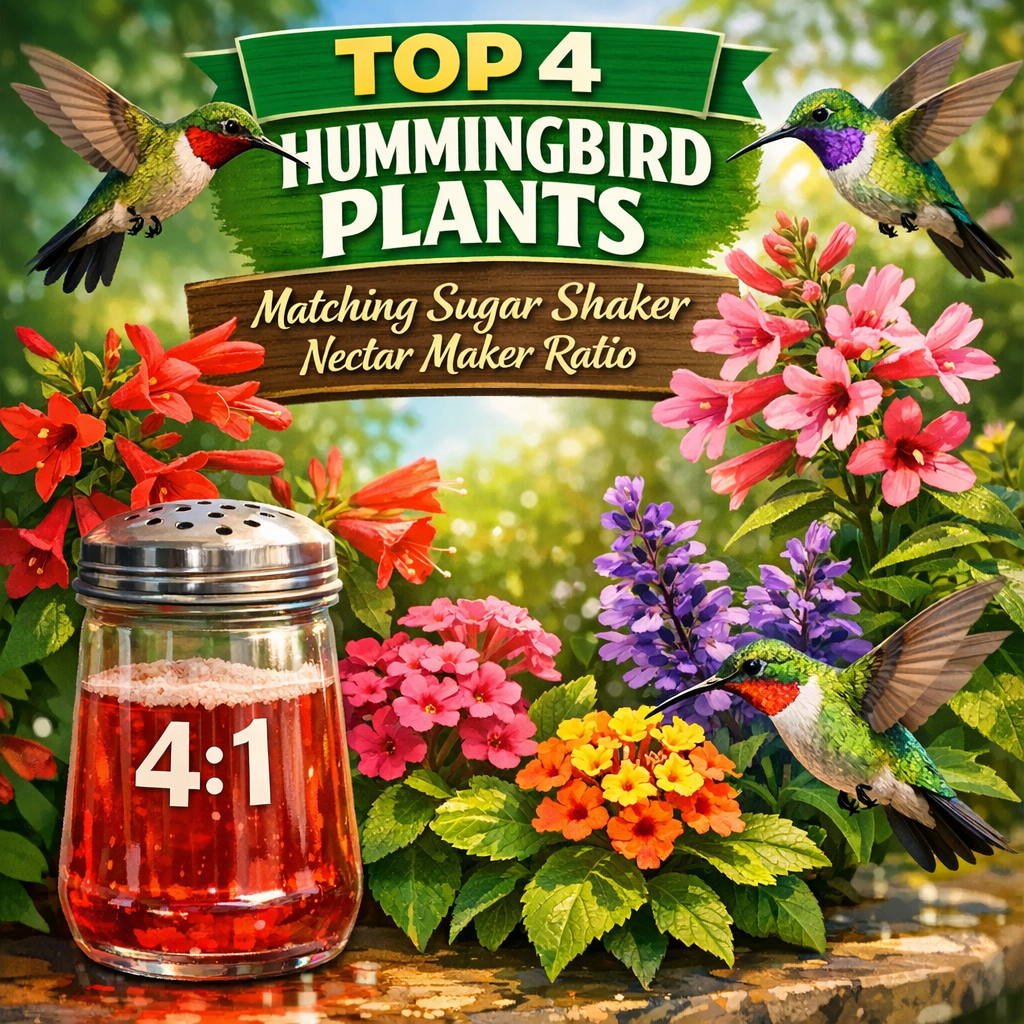
Hummingbirds, with their dazzling colors and swift movements, are a delightful sight in any garden. Attracting these charming birds involves more than just a feeder; it’s about creating an environment that mimics their natural habitat. One vital aspect of this habitat is the nectar they feed on, ideally with a 4 to 1 water to sugar ratio. The Sugar Shaker Nectar Maker is designed to match this ratio perfectly, making it easier for garden enthusiasts to prepare suitable nectar. But what if you could complement this nectar with naturally occurring sources? Here, we explore four common plants that naturally mimic this ideal sugar concentration, creating a hummingbird paradise right in your backyard.
The Significance of the 4:1 Water to Sugar Ratio
Before diving into the plants, it’s crucial to understand why this ratio is important. Hummingbirds are not just attracted to any sweet liquid; the sugar concentration in nectar must be just right to provide them with the necessary energy without being too harsh on their tiny bodies. The 4:1 ratio offers the ideal balance, closely resembling the nectar found in many favorite hummingbird flowers.
Top 4 Plants with Nectar Mimicking the 4:1 Ratio
1. Bee Balm (Monarda)
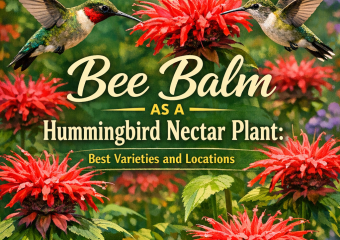
One of the most beloved plants by hummingbirds, Bee Balm, is known for its vibrant, spiky flowers and minty aroma. Its nectar closely aligns with the 4:1 water to sugar ratio, making it a fantastic choice for gardeners looking to attract more hummingbirds. Additionally, its long blooming period throughout summer ensures a steady supply of nectar.

- Growing tips: Thrives in full sun to partial shade
- Soil preference: Prefers moist, well-drained soil
2. Zinnias
Bright and cheerful, Zinnias are a magnet for hummingbirds. These plants are not only easy to grow but their nectar also closely matches the ideal sugar concentration. Zinnias come in a variety of colors, and their robust nature allows them to bloom profusely, providing ample nectar throughout the season.
- Growing tips: Plant in full sun
- Soil preference: Favors well-drained soil; tolerant to moderate drought
3. Salvia (Salvia spp.)
Salvia, with its enticing tubular flowers, is an excellent plant for hummingbirds. The nectar produced by various Salvia species generally adheres to the 4:1 ratio, especially in warmer climates where the concentration can be even more precise.
- Growing tips: Prefers full sun but can tolerate partial shade
- Soil preference: Performs best in light, well-drained soil
4. Trumpet Creeper (Campsis radicans)
Known for its dramatic, trumpet-shaped flowers, the Trumpet Creeper is another top choice for attracting hummingbirds. The rich, concentrated nectar meets the preferred nutritional profile that hummingbirds love. Its vigorous growth and abundant flowering make it an excellent backdrop or trellis plant in any garden.
- Growing tips: Needs full sun for best flowering
- Soil preference: Adaptable, but thrives in well-drained soil
Integrating These Plants Into Your Garden
Adding these plants to your garden is a surefire way to attract more hummingbirds while providing them with natural sources of nectar. Here are a few tips to maximize their benefits:
- Plant Variety: Incorporating a mixture of these plants ensures a longer blooming season, offering continuous nectar sources.
- Maintenance: Regular pruning and deadheading will encourage more blooms, increasing your garden’s attractiveness to hummingbirds.
- Pesticide-Free: Avoid using pesticides on or near these plants, as hummingbirds are sensitive to chemicals.
Conclusion
By planting Bee Balm, Zinnias, Salvia, and Trumpet Creeper, you not only enhance the aesthetic appeal of your garden but also support local wildlife, particularly hummingbirds. These plants, with their nectar mimicking the perfect 4 to 1 water to sugar ratio, are ideal companions to your Sugar Shaker Nectar Maker. Enjoy the buzz and beauty of hummingbirds in your garden by creating a conducive environment with these hummingbird-friendly plants.