
Top Hummingbird Plant in Nebraska for Attracting Free Nectar
Discovering the Favorite Hummingbird Plant in Nebraska
Hummingbirds, those mesmerizing, tiny birds that defy the odds with their incredible flight abilities, are a delightful addition to any garden. In Nebraska, attracting these feathery friends can be as simple as planting their favorite nectar-producing plants. If you’re keen on transforming your garden into a hummingbird paradise, understanding the best plant to meet their nutritional needs is crucial.
Why Plant for Hummingbirds?
Before diving into the specifics of the best plants for hummingbirds, let’s consider why it’s worth the effort:
- Environmental Support: Hummingbirds play a crucial role in pollination. By inviting them into your garden, you’re aiding local flora.
- Natural Beauty: Their vibrant colors and rapid movements add a dynamic beauty to any garden setting.
- Pest Control: Hummingbirds consume insects as well as nectar, helping to keep the bug population in check.
Choosing a plant that thrives in Nebraska’s climate and provides abundant nectar will ensure that these birds visit your garden repeatedly throughout their season.

The Best Hummingbird Plant in Nebraska
Bee Balm (Monarda)
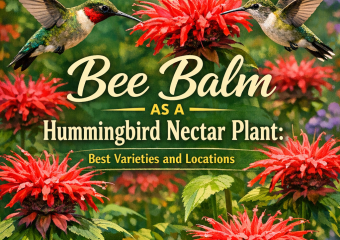
Without a doubt, the top contender for the favorite hummingbird plant in Nebraska is the Bee Balm (Monarda). This plant not only thrives in Nebraska’s varied climate but also produces vibrant flowers that are incredibly attractive to hummingbirds.
Why Hummingbirds Love Bee Balm:
- High Nectar Concentration: The flowers of the Bee Balm are rich in nectar, which is the primary food source for hummingbirds.
- Bright Colors: The bright reds, pinks, and purples of Bee Balm flowers are particularly appealing to hummingbirds.
- Long Blooming Period: Bee Balm has a lengthy blooming period, spanning from early summer to late fall, which provides a consistent food source.
Growing Bee Balm in Nebraska
To successfully grow Bee Balm and make your garden a hummingbird hotspot, consider these tips:
- Sunlight: Bee Balm thrives in full sun but can tolerate partial shade.
- Soil: Plant in well-drained soil with a slightly acidic to neutral pH.
- Spacing: Space plants about 18-24 inches apart to allow for proper air circulation.
- Watering: Keep the soil consistently moist, but be careful not to overwater.
- Pruning: Trim the flowers as they fade to promote new blooms.
Companion Plants
While Bee Balm is a star in its own right, partnering it with other plants can create a more inviting environment for hummingbirds. Some excellent companion plants include:
- Salvia: Available in several colors, Salvia attracts hummingbirds with its tubular flowers.
- Penstemon: With its bell-shaped flowers and long blooming period, Penstemon is another favorite.
- Zinnias: Easy to grow, Zinnias provide a splash of color and also attract hummingbirds.
Conclusion
In Nebraska, planting Bee Balm can significantly enhance your garden’s appeal to hummingbirds. This favorite hummingbird plant offers vibrant blooms and rich nectar, crucial for these energetic pollinators. By following the growing tips for Bee Balm and complementing it with other attractive plants, you can enjoy the lively spectacle of hummingbirds visiting your garden all season long.
Remember, creating a hummingbird-friendly garden not only supports these stunning birds but also contributes to the broader ecosystem in your area.