Fuchsia Plant Guide: Growth Zones, Sunlight Needs, and Hummingbird Nectar
Discover the Vibrant World of Fuchsia (Epilobium canum)
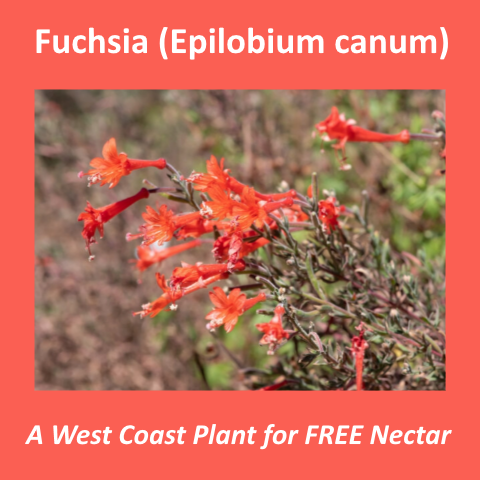
Fuchsia (Epilobium canum), commonly known as California fuchsia or hummingbird flower, is a spectacular addition to any garden, known for its bright, fiery blooms that attract hummingbirds. In this blog post, we’ll dive into the world of this striking plant, exploring where it thrives best, its needs for sun and water, and its role in supporting local wildlife, particularly hummingbirds.
Origin and Growing Zones
Native Regions
Originally from the dry slopes and rocky areas of California, Oregon, Arizona, and Northern Mexico, Epilobium canum has adapted over time to a variety of environments. It flourishes in regions that mimic its native, dry climates.
Plant Hardiness Zones
When it comes to choosing the right place to grow fuchsia, understanding your local plant hardiness zone is crucial. Fuchsia performs well in USDA Zones 7 through 10. In these zones, the plant can survive winter temperatures without requiring excessive care.

Sunlight Requirements
Full Sun to Partial Shade
Fuchsia is versatile in its sunlight needs, thriving both in full sun and partial shade. However, optimal flowering is seen in locations where the plant receives a good amount of direct sunlight. Gardeners should aim for at least six hours of sunlight daily to ensure healthy growth and vibrant blooms.
Watering Needs
Contrary to what one might expect from such a colorful plant, Epilobium canum is drought-tolerant, once established. Initially, regular watering helps in root establishment, but afterwards, it requires only minimal watering. In regions that experience occasional rainfall, natural precipitation might be enough to sustain a fuchsia plant, making it an excellent choice for water-efficient gardening.
Nectar Production and Hummingbird Attraction
High-Quality Nectar
One of the most remarkable features of fuchsia is its ability to produce a large amount of high-quality nectar, making it incredibly valuable in attracting and sustaining local hummingbird populations.
A Haven for Hummingbirds
The tubular shape and vivid colors of fuchsia flowers are perfectly adapted to the feeding habits of hummingbirds, serving as an irresistible lure for these delightful birds. By incorporating fuchsia plants into your garden, you can not only enjoy a display of stunning flowers but also contribute to the well-being of local hummingbirds.
Planting and Care Tips
Soil Requirements
Epilobium canum prefers well-drained soils, where water does not accumulate. It is tolerant of various soil types, from sandy to loamy, as long as good drainage is ensured.
Spacing for Growth
When planting, ensure there is enough space between plants—usually around 2 to 3 feet—to allow for proper air circulation and sunlight exposure, which are crucial for plant health and bloom production.
Pruning and Maintenance
Annual pruning in late autumn or early winter helps maintain a tidy appearance and promotes vigorous growth in the spring. Cutting back the plants encourages branching, leading to more flowers and an aesthetically pleasing plant structure.
Conclusion
Fuchsia, with its easy-care nature and stunning appearance, is an ideal plant for gardeners looking to add a splash of color and vibrancy to their landscapes while also supporting local wildlife. Whether you’re an experienced gardener or just starting, Epilobium canum offers both visual delight and ecological benefits.
By following these simple guidelines on care and placement, your garden will soon become a bustling hummingbird haven, alive with the dazzling reds of fuchsia blooms.