Top Hummingbird Feeders for Easy Cleaning: Pros and Cons
The Best Hummingbird Feeders for Easy Cleaning: A Comprehensive Guide
Hummingbird watching can be a rewarding hobby, bringing a bit of nature’s magic right to your backyard. However, maintaining their feeders can sometimes be less enchanting due to the need for regular cleaning. Thankfully, some feeders are designed to make this task much easier, helping you keep the birds healthy and your viewing pleasure high without the hassle. Below we’ll explore which types of hummingbird feeders are the easiest to clean, what features make them user-friendly, their potential drawbacks, and whether or not hummingbirds prefer them to other models.
Easiest-to-Clean Hummingbird Feeders
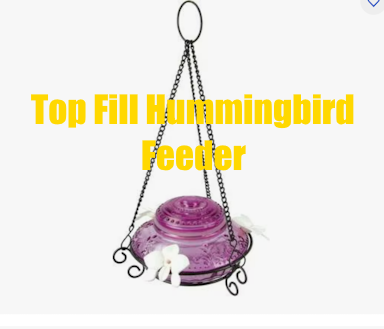
1. Top-Fill Hummingbird Feeders
Features
Top-fill feeders have a larger opening at the top, which not only makes it easier to fill them without spilling but significantly simplifies cleaning. You can reach inside the reservoir easily to scrub away any mold or residual sugar water.
Cleaning Steps
- Unscrew the lid.
- Clean the reservoir with a bottle brush.
- Rinse thoroughly to remove any soap residue.
2. Dish or Saucer-Type Feeders
Features
These feeders consist of shallow bowls that hold the nectar with ports above them. Their simple design lacks nooks and crannies, making them straightforward to wipe clean.

Cleaning Steps
- Detach the top from the base.
- Use a sponge or cloth to clean each part.
- Rinse and reassemble.
3. Glass Bottle Feeders
Features
Glass is non-porous, which means it doesn’t absorb smells or stains and is generally easier to clean than plastic. Glass bottle feeders often come with wide mouths, which facilitates easier access to the interior.
Cleaning Steps
- Remove the bottle from the base.
- Use a narrow brush to clean inside the bottle.
- Scrub the feeding ports and base separately.
- Rinse all parts well before refilling.
What Makes Them Easier to Clean?
The main factor that makes some hummingbird feeders easier to clean than others is their design. Feeders with fewer components and simpler shapes (like the saucer-type) have less surface area where mold and yeast can grow. Moreover, those with wider openings allow for better access to all parts of the feeder, ensuring a more thorough cleaning. Materials also play a role; glass and smooth plastic are easier to scrub compared to textured surfaces.
Drawbacks for Hummingbirds
While easier-to-clean feeders are beneficial for owners, it’s important to consider if they serve the best interest of the hummingbirds. Some simpler designs might not be as attractive to birds if they don’t mimic the natural feeding sources like flowers. Moreover, certain materials, although easier to clean, might not be as durable or safe as others. For instance, some plastics can degrade under sunlight, possibly leaching harmful substances into the nectar.
Hummingbirds’ Preference
There is no clear evidence suggesting that hummingbirds have a preference for certain feeder types over others in terms of ease of cleaning. Their primary concerns are the availability and quality of the nectar. If a feeder is kept clean and filled with fresh nectar, it will attract hummingbirds regardless of its design. However, feeder visibility, placement, and color can influence a hummingbird’s attraction.
Conclusion
Choosing the right type of hummingbird feeder not only contributes to the health of the birds but also affects the maintenance effort required. Top-fill, dish, and glass bottle feeders present viable options for those looking for ease of cleaning. While their designs may entail certain drawbacks, these can be mitigated by careful choice of materials and regular maintenance. Ultimately, ensuring that the feeder is clean and filled with fresh nectar is key to attracting and maintaining a hummingbird-friendly environment.
Remember, the type of feeder you choose should balance ease of maintenance with the health and safety of the hummingbirds. Happy bird watching!