Understanding Hummingbird Nectar: Sugar Ratios, Metabolism & Energy
The Science Behind Hummingbird Nectar: Sugar Ratios, Metabolism & Energy Needs Explained
Hummingbirds, those mesmerizing avian acrobats, are not just a delight to watch but also a marvel of nature’s engineering. Understanding the science behind their fuel, mainly the nectar, provides fascinating insights into how their bodies are adapted to their high-energy lifestyle. This exploration into the sugar ratios, metabolism, and energy needs of hummingbirds not only enhances our knowledge but also guides how we can help these birds thrive, especially in our own backyards.
What Makes Hummingbird Nectar So Special?
At its core, hummingbird nectar is a simple sugar solution, but the concentration and type of sugar are critical for meeting the birds’ intense metabolic demands. Most commercial or homemade nectar mimics the natural nectar found in flowers, which is predominantly sucrose.
Optimal Sugar Ratios
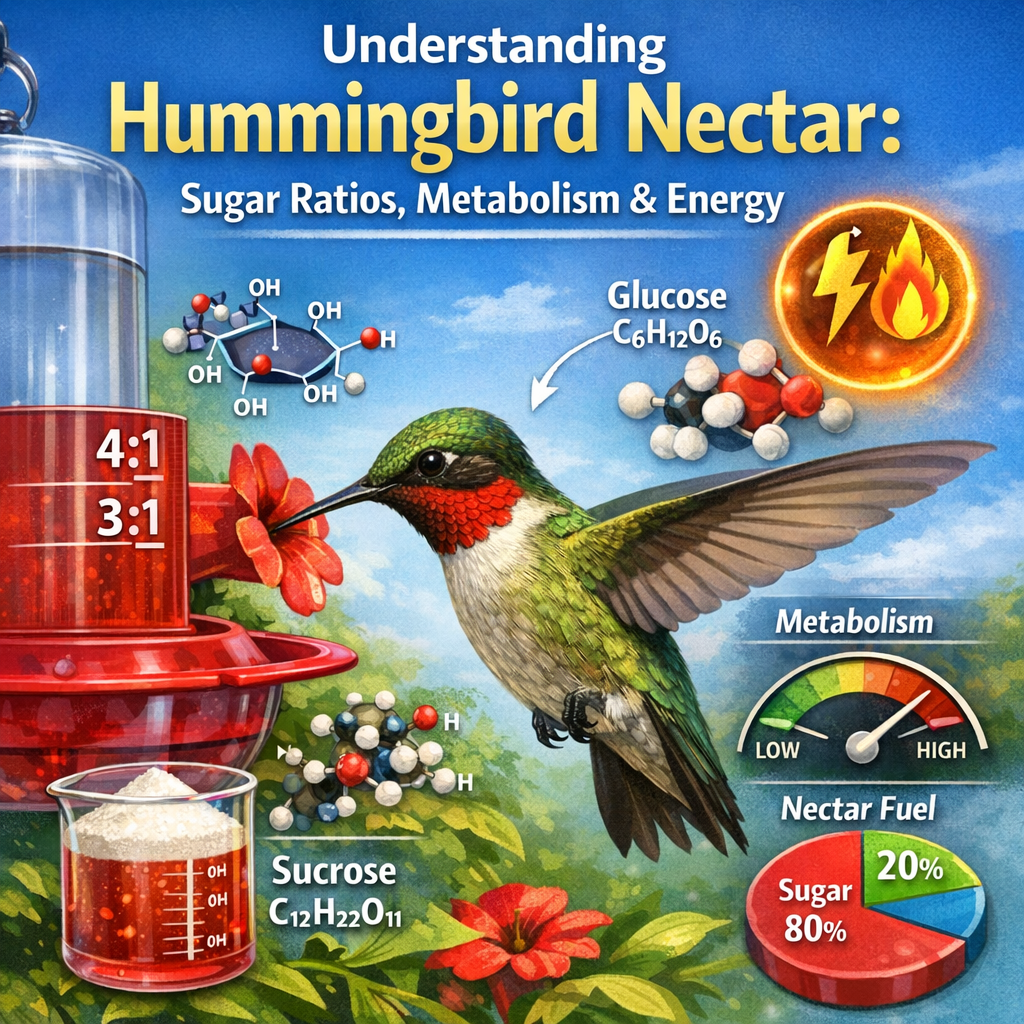
The ideal sugar-to-water ratio for hummingbird nectar is roughly 1 part sugar to 4 parts water. This 25% concentration closely replicates the average sugar content found in the nectar of many flowers favored by hummingbirds. Here’s why this ratio is important:

- Energy Efficiency: This concentration provides an optimal balance of high energy with minimal effort required for digestion.
- Safety: Higher concentrations can harm hummingbirds, potentially causing liver and kidney damage due to the excessive intake of sugars.
Hummingbird Metabolism: A High-Speed Engine
Rapid Energy Burn
Hummingbirds have an extraordinarily high metabolism, among the fastest in the bird kingdom. Their heart rate can soar to over 1,200 beats per minute, and they can flap their wings up to 80 times per second during hovering. This incredible activity level requires an immense amount of energy.
Efficient Fuel Processing
Hummingbirds are capable of rapidly converting the sucrose in nectar to glucose and fructose, which are directly used for energy. This process allows them to maintain their energy levels across the day, supporting their constant foraging and territorial defense activities.
How Sugar Fuels Flight and Daily Activities
To understand how critical nectar is to a hummingbird’s survival, consider these aspects of their energy expenditure:
- Hovering: Hovering is incredibly energy-intensive. Hummingbirds can consume up to half of their weight in sugar each day to support this activity alone.
- Territory Defense: Males, in particular, spend a significant part of their day chasing away rivals and predators, which further increases their energy demands.
- Thermoregulation: Maintaining body temperature during cool nights requires additional energy, part of which is derived from the sugar stored during the day.
Crafting the Perfect Nectar: DIY Tips
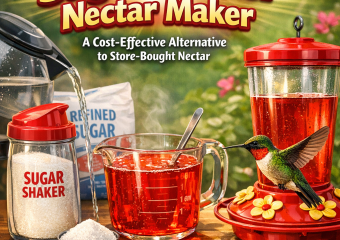
Making your own hummingbird nectar is simple, and by doing so, you can ensure it’s fresh and free from additives, dyes, and preservatives that commercial nectars often contain. Here’s how to make safe and nutritious nectar:
- Boil 1 part of white granulated sugar in 4 parts of water.
- Stir until the sugar dissolves completely.
- Allow the solution to cool before filling the feeders.
- Store excess in the refrigerator for up to a week.
Avoid using honey, which can ferment, or artificial sweeteners, which do not provide the necessary calories.
Conclusion: The Delicate Balance
The magic of hummingbird nectar lies in its simplicity and its crucial role in the survival of these tiny dynamos. By understanding and replicating the natural compositions of flower nectar, bird enthusiasts can provide a vital energy source for hummingbirds, especially during migration and breeding seasons. Remember, maintaining clean feeders and providing fresh nectar are essential to prevent disease and keep these beautiful birds coming back year after year.
By integrating a bit of science into our appreciation of nature, we can make our gardens not just a place of beauty but also a haven for some of the most fascinating creatures on Earth.