Understanding Hummingbird Metabolism: Nectar Needs and Survival Strategies
Understanding the High-Speed World of Hummingbird Metabolism
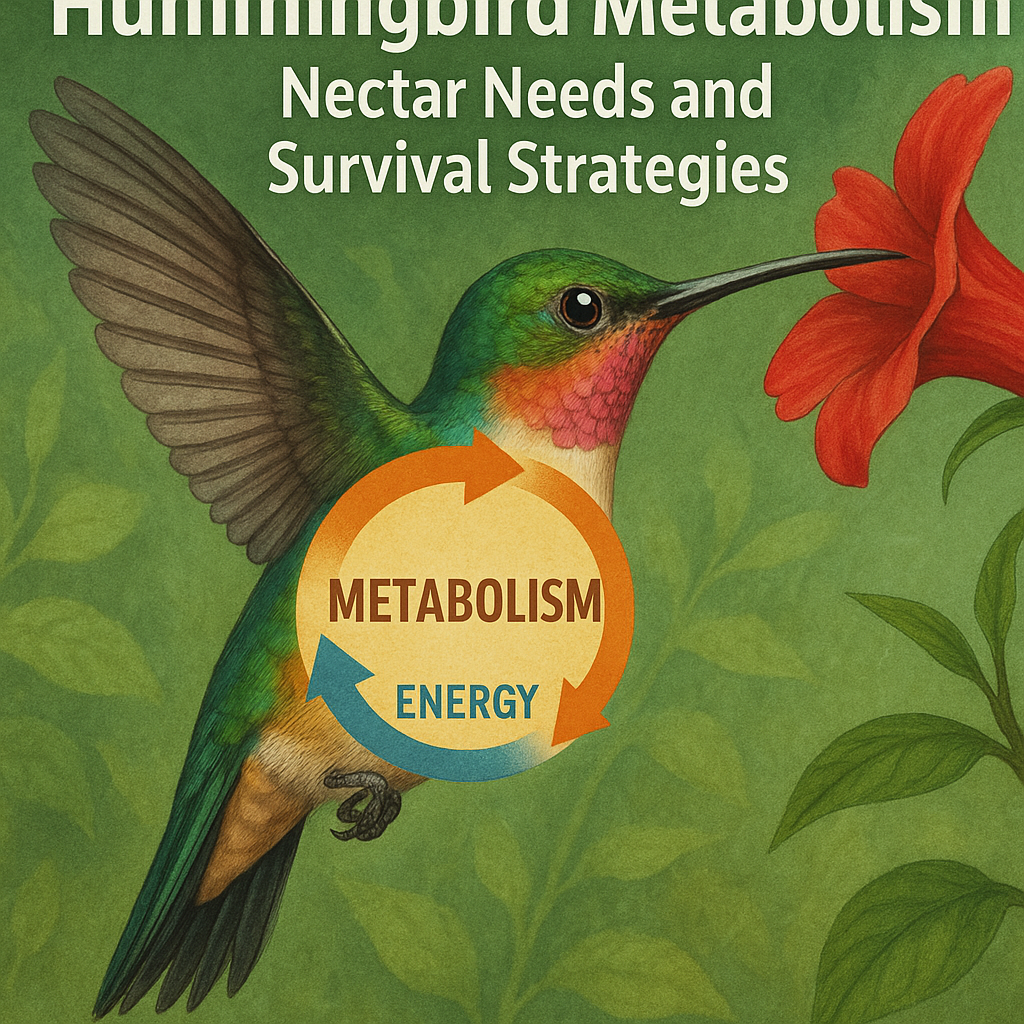
Hummingbirds are marvels of nature, known for their incredibly fast wing beats and the ability to hover in mid-air. But to support their high-energy lifestyles, these tiny birds have evolved some of the most intense metabolic rates in the animal kingdom. This blog post delves into the hummingbird metabolism, examines why they consume vast amounts of nectar, and explores how they manage long flights and survive the cold winters.
The Hyperdrive Metabolism of Hummingbirds
Why So Much Nectar?
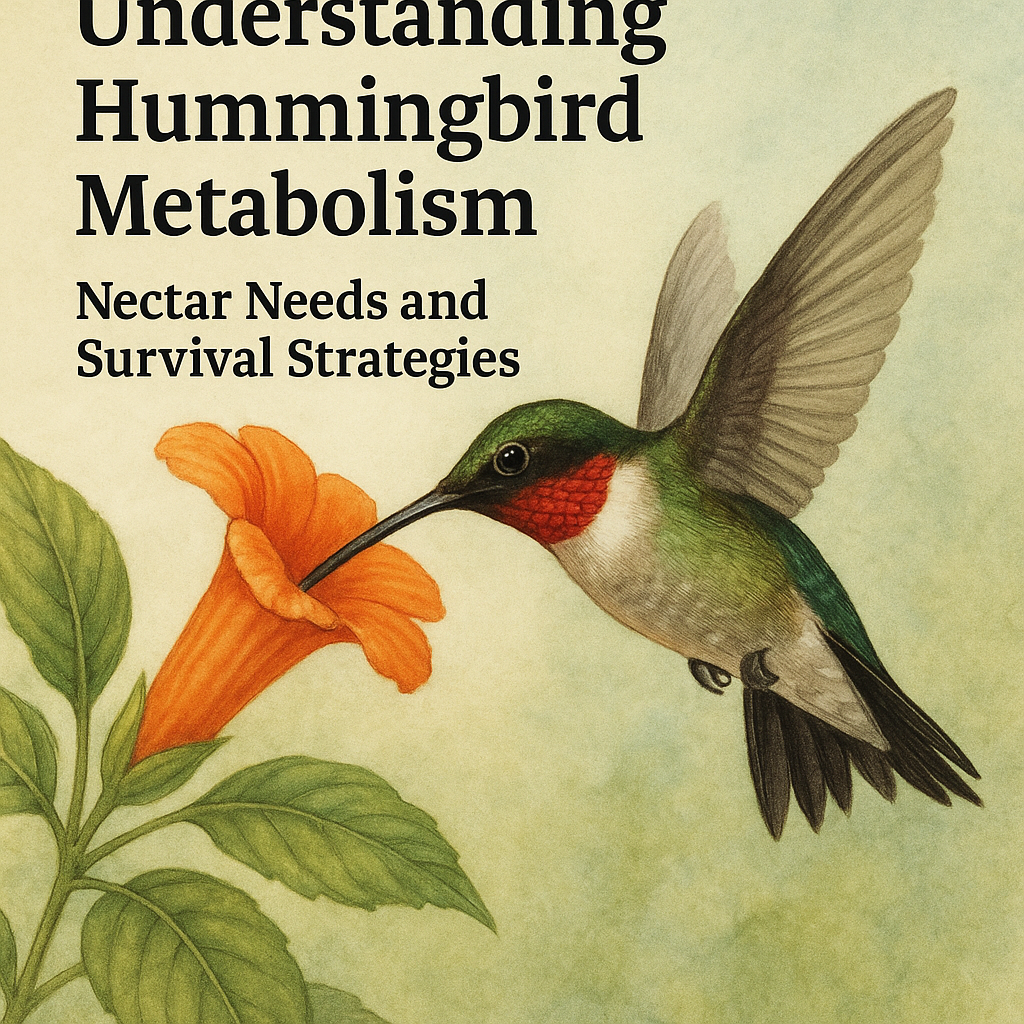
Hummingbirds primarily feed on nectar, which is a sugary fluid produced by plants. This high-sugar diet is crucial because hummingbirds have an extremely high metabolic rate, which is the rate at which a body burns energy. To give you an idea, a hummingbird’s heart can beat up to 1,260 times per minute when active, and their wings can flutter at an astonishing rate of about 70 times per second.
This frenetic activity level requires a massive amount of energy, which is derived from the sugars found in nectar. These sugars (primarily sucrose, glucose, and fructose) are rapidly absorbed into the bloodstream, providing an immediate energy source that allows them to sustain their vigorous flight activities.

How They Process Nectar So Quickly
Hummingbirds possess a unique digestive tract that’s highly specialized for rapid energy absorption. Their intestines are short, and the nectar passes through very quickly, sometimes within 20 minutes after eating. This quick processing ensures that hummingbirds can continually refuel throughout the day to meet their energy demands.
Mastering Long-Distance Flights
Incredible Energy Management
Despite their small size, some species of hummingbirds are known for their astonishing long-distance migratory journeys. For instance, the rufous hummingbird migrates between Mexico and Alaska, a journey that can extend up to 3,000 miles. During long flights, hummingbirds enter a highly efficient mode of energy consumption.
Utilizing Fat as Fuel
Before migration, hummingbirds enter a phase called hyperphagia, where they dramatically increase their body weight (almost double in some cases), storing fat as a primary energy reserve. During the migration, the stored fat provides a more concentrated energy source compared to nectar and is metabolized to sustain their endurance flight.
Strategic Stopovers
Hummingbirds make frequent stopovers during their migration to refuel on nectar. This pattern of flying interspersed with feeding is essential to maintain their energy levels across such long distances. They are also known to ride air currents to conserve energy, showcasing an incredible knack for aerodynamics and energy efficiency.
Surviving the Harsh Winters
Migration to Warmer Climes
As cold environments are not suitable for the flowers that produce nectar, many hummingbirds migrate to warmer regions during the winter months. This migration is crucial for their survival as it ensures a continuous food supply.
Torpor: A Hibernation-like State
Some species that stay in colder areas or at high altitudes employ a remarkable survival strategy known as torpor. Torpor is a state of reduced physiological activity that occurs overnight, allowing the hummingbird to conserve energy by significantly lowering its metabolic rate. During torpor, their body temperature can drop by as much as 50 degrees Fahrenheit, reducing their caloric needs by up to 95%.
Winter Diet Adaptation
During the winter, hummingbirds also adapt their diets to include insects and tree sap, which provide necessary nutrients that nectar does not supply, such as protein and amino acids. This adaptation is crucial for maintaining muscle health and overall survival during the lean months.
In Conclusion
The life of a hummingbird is a perfect example of biological engineering. Every aspect of their physiology, from their high-speed metabolism to their incredible energy conservation tactics during long flights and cold winters, is finely tuned to support their dynamic lifestyles. Their relentless search for nectar is not just a matter of feeding but a critical component of survival, showcasing nature’s intricate balance of energy intake and expenditure. As we continue to observe and study these fascinating creatures, we gain more insights into the complexities of animal adaptations and survival strategies.