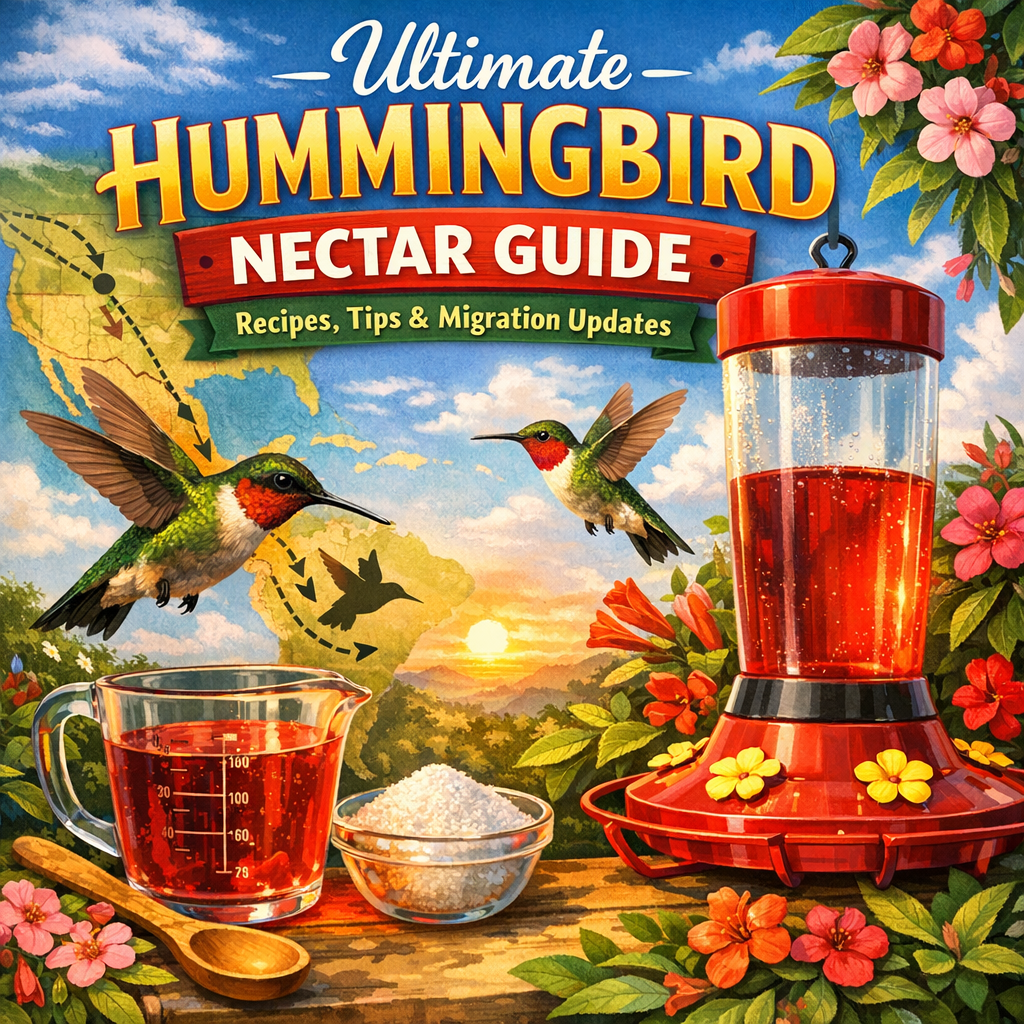
Ultimate Hummingbird Nectar Guide: Recipes, Tips, and Migration Updates
The Ultimate Hummingbird Nectar Guide: Recipes, Tips & Migration News
Hummingbirds, those mesmerizing garden jewels, captivate anyone lucky enough to witness their aerial acrobatics. Providing homemade nectar for these tiny birds can enhance your chances of observing them up close. This guide offers essential recipes, insightful maintenance tips, and updates on hummingbird migration patterns to help you turn your backyard into a hummingbird haven.
Homemade Hummingbird Nectar Recipe
Before diving into the complexities of migration and maintenance, let’s start with a basic recipe for hummingbird nectar. This simple solution mimics the natural sucrose content found in flowers, providing essential energy for hummingbirds.
Ingredients:
- 4 parts water
- 1 part white granulated sugar
Instructions:
- Boil the Water: Start by boiling your water to help dissolve the sugar and eliminate any impurities.
- Add Sugar: While the water is still hot, add the sugar and stir until completely dissolved.
- Cool It Down: Allow the mixture to cool to room temperature before filling your feeders.
- Store Excess: You can refrigerate unused nectar for up to a week.
Ensure you avoid using honey, molasses, or artificial sweeteners, as these can be harmful to hummingbirds.

Feeder Maintenance Tips
Keeping your hummingbird feeders clean and fresh is crucial for the health of your visitors. Here’s how you can maintain your feeder effectively:
Frequency of Cleaning:
- Clean Weekly: Rinse and scrub your feeders at least once a week with hot water and a mild dish soap, or more frequently in very warm weather.
Cleaning Process:
- Use Appropriate Tools: Use brushes and sponges dedicated solely to your hummingbird feeders to prevent contamination.
- Rinse Thoroughly: Ensure all soap residue is completely rinsed off as it can be harmful to the birds.
Placement Tips:
- Shade Over Sun: Place feeders in a shaded area to slow fermentation of the nectar.
- Visibility: Ensure feeders are visible to attract more hummingbirds and for you to enjoy their visits.
Hummingbird Migration News
Tracking the migration patterns of hummingbirds can be fascinating. Here are the latest updates and how you can help these tiny travelers:
Migration Patterns:
- Spring Migration: Generally starts in late February and can run through May, seeing hummingbirds move from their winter homes in Central America and Mexico, northward across the United States and into Canada.
- Fall Migration: Begins in late July through October as hummingbirds head south again for the winter.
How You Can Help:
- Keep Feeders Up: Leave your feeders up for about two weeks after seeing the last hummingbird in the fall. Late migrants or stragglers can benefit from the nutrition.
- Plant Native Flowers: Enhancing your garden with native plants that bloom at different times of the year can provide natural food sources for hummingbirds.
Conclusion
Attracting and supporting hummingbirds is a rewarding activity that brings beauty and excitement to your garden. By offering homemade nectar and maintaining clean feeding stations, you’re helping these remarkable birds sustain their energy during their long migratory journeys. Keep your eyes peeled for those tiny wings and enjoy the vibrant life they bring to your outdoor spaces.