Ultimate Guide to Hummingbird Migration Patterns in the U.S.
Hummingbird Migration Patterns Across the U.S.: Spring & Fall Tracking Guide
Hummingbirds, those mesmerizing, tiny flying dynamos, captivate bird enthusiasts and casual observers alike. As they flit from flower to flower with incredible agility, it is their migration patterns that often intrigue and mystify many. In North America, specifically across the United States, understanding the migration patterns of these birds can enhance the bird-watching experience and aid in conservation efforts.
Understanding Hummingbird Migration
When Do Hummingbirds Migrate?
Hummingbirds typically migrate alone, driven by daylight changes that signal them to start their journey. In the US, these migrations happen during two primary periods:
- Spring Migration: Begins in late February and lasts until the end of May. This is when hummingbirds travel from their winter homes in Central America and Mexico to their breeding grounds across North America.
- Fall Migration: Starts around late July through October. Hummingbirds head back to their winter habitats after breeding.
Why Do Hummingbirds Migrate?
The primary reason for migration among hummingbirds is the search for food. As seasonal changes affect the availability of nectar and insects, hummingbirds move to areas where these resources are abundant.

Key Routes and Timing
Western U.S.
- Species: Primarily the Rufous Hummingbird
- Spring Migration: Peaks around mid-April
- Fall Migration: Starts as early as July
Eastern U.S.
- Species: Dominantly the Ruby-throated Hummingbird
- Spring Migration: Begins in early March
- Fall Migration: Gathers pace by September
Central U.S.
- Species: Mixture of Rufous and Ruby-throated hummingbirds
- Spring Migration: Mid-March through May
- Fall Migration: Late July until October
How to Track Hummingbird Migration
Tracking the hummingbird migration can be a fulfilling activity, allowing enthusiasts to plan their viewing and support conservation:
Online Tracking Tools
Online resources such as the eBird website (operated by the Cornell Lab of Ornithology) offer real-time data and sightings posted by bird watchers across the country.
Local Birding Clubs
Joining local birding clubs can provide insights from experienced birdwatchers and organized events focusing on hummingbird spotting.
Mobile Apps
Apps like Hummingbird Tracker provide updates and migration maps, making it easier to predict when hummingbirds will arrive in your area.
How to Support Hummingbirds During Migration
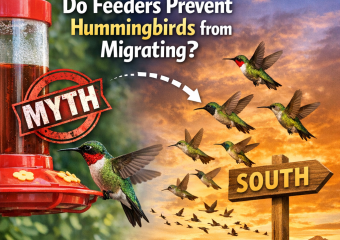
Setting Up Feeders
- Clean and Safe: Regularly clean feeders and use a sugar solution (1 part sugar to 4 parts water) without any dye.
- Timely Setup: Put up feeders a couple of weeks before the expected arrival of hummingbirds in your area.
Planting Gardens
- Flower Choices: Opt for native flowers; hummingbirds are drawn to brightly colored blooms, especially red, which are high in nectar.
- Continuous Bloom: Plan your garden so different plants bloom sequentially throughout the migration period.
Avoid Pesticides
Insects are a crucial protein source for hummingbirds, especially during migration. Avoiding pesticides in your gardens helps ensure there are plenty of safe insects for them to eat.
Final Thoughts
The migration of hummingbirds is a significant event for many bird watchers and nature lovers across the U.S. Understanding their patterns not only enhances our viewing experience but also contributes to the conservation of these spectacular creatures. By participating in tracking efforts and providing a supportive environment, we can help ensure that hummingbirds continue to grace our skies and gardens for generations to come.