Trochilinae Hummingbird Guide: Nesting, Wintering, and Unique Behaviors
Discovering the Trochilinae Hummingbird: Habits, Habitats, and Unique Behaviors
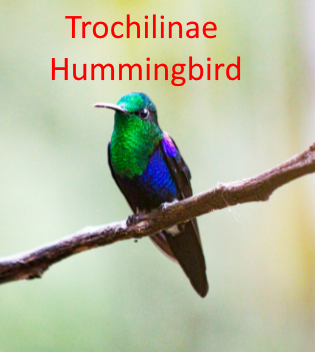
The Trochilinae hummingbird, a subfamily of the hummingbird family, represents a remarkable group of birds known for their incredible flying abilities and vibrant colors. These tiny avians are a subject of fascination for both ornithologists and bird watchers alike. Let’s delve into the life of the Trochilinae, exploring their nesting habits, migration patterns, unique behaviors, and floral preferences.
Nesting Habits of the Trochilinae
Where Does the Trochilinae Hummingbird Nest?
Trochilinae hummingbirds exhibit unique nesting behaviors that are fascinating to observe. They typically choose sheltered locations for their nests, such as branches of dense trees or shrubs. These birds are known for constructing tiny, cup-shaped nests using materials such as spider webs, plant fibers, and mosses, which they artfully camouflage with lichens and leaves to protect against predators.
Nesting Materials and Construction
The nests are ingeniously designed to expand as the young hummingbirds grow, thanks to the elasticity provided by the spider silk. A typical Trochilinae nest is remarkably small, often not much bigger than a half dollar coin.

Migration and Wintering Patterns
Where Does the Trochilinae Hummingbird Winter?
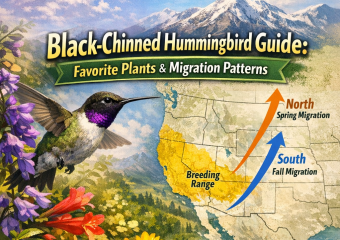
Trochilinae hummingbirds are primarily found in the Americas, and their migration patterns can vary widely depending on the species. Many North American species migrate to Central America during the winter months to escape the northern cold. Meanwhile, South American species might move to lower altitudes or latitudes to find more abundant food sources as seasons change.
Adaptations to Migration
Despite their small size, some species of Trochilinae are capable of astonishing feats of endurance. For example, the ruby-throated hummingbird, a member of the Trochilinae, can cross the Gulf of Mexico in a single non-stop flight over 18-22 hours.
Unique Behaviors of Trochilinae Hummingbirds
Hovering and Flying Backwards
One of the most remarkable abilities of the Trochilinae hummingbirds is their capability to hover in mid-air and fly backwards. These skills are not unique to Trochilinaes but are highly developed in this group. They achieve this through rapid wing beats, which can reach up to 80 beats per second in some species.
Territoriality
Another interesting aspect of their behavior is their extreme territoriality. Trochilinae hummingbirds, despite their diminutive size, can be quite aggressive in defending their feeding territories. They often engage in aerial battles and chases to ward off intruders and competing species.
Favorite Flowers of the Trochilinae
Floral Preferences
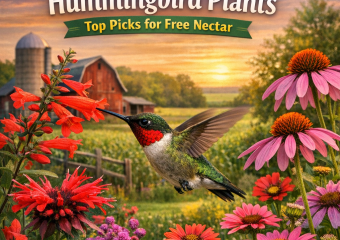
When it comes to feeding, Trochilinae hummingbirds have developed preferences for certain types of flowers. Generally, they are attracted to tubular flowers that accommodate their long, slender bills and provide ample nectar. Some of their favorite flowers include:
- Trumpet Creeper – This flower’s long, tubular structure is perfect for the long beaks of hummingbirds, allowing them to feed while maintaining fast wing movement.
- Cardinal Flower – Known for its striking red petals, the cardinal flower is particularly beloved by hummingbirds due to its high nectar output and strategic floral arrangement.
- Lupines – With its variety of colors and ample nectar, lupines are a favorite among many hummingbird species including Trochilinaes.
Co-evolution with Flowers
Interestingly, the relationship between Trochilinae hummingbirds and their preferred flowers is a classic example of co-evolution. Many flowers have evolved shapes and colors that specifically attract hummingbirds, which in turn facilitates their pollination needs.
Conclusion
The Trochilinae hummingbirds, with their dazzling speeds, agility, and colorful appearances, continue to thrive across the Americas. Their unique nesting choices, migration habits, and floral preferences highlight their adaptation to diverse environmental challenges. By understanding these vibrant birds, we gain insights into the complexity and beauty of nature, and the delicate balances that sustain our world’s ecosystems.