Stunning Red Baby’s Breath: Best Zones & Attracts Hummingbirds
Focus Keyword: Red Baby’s Breath
Introduction
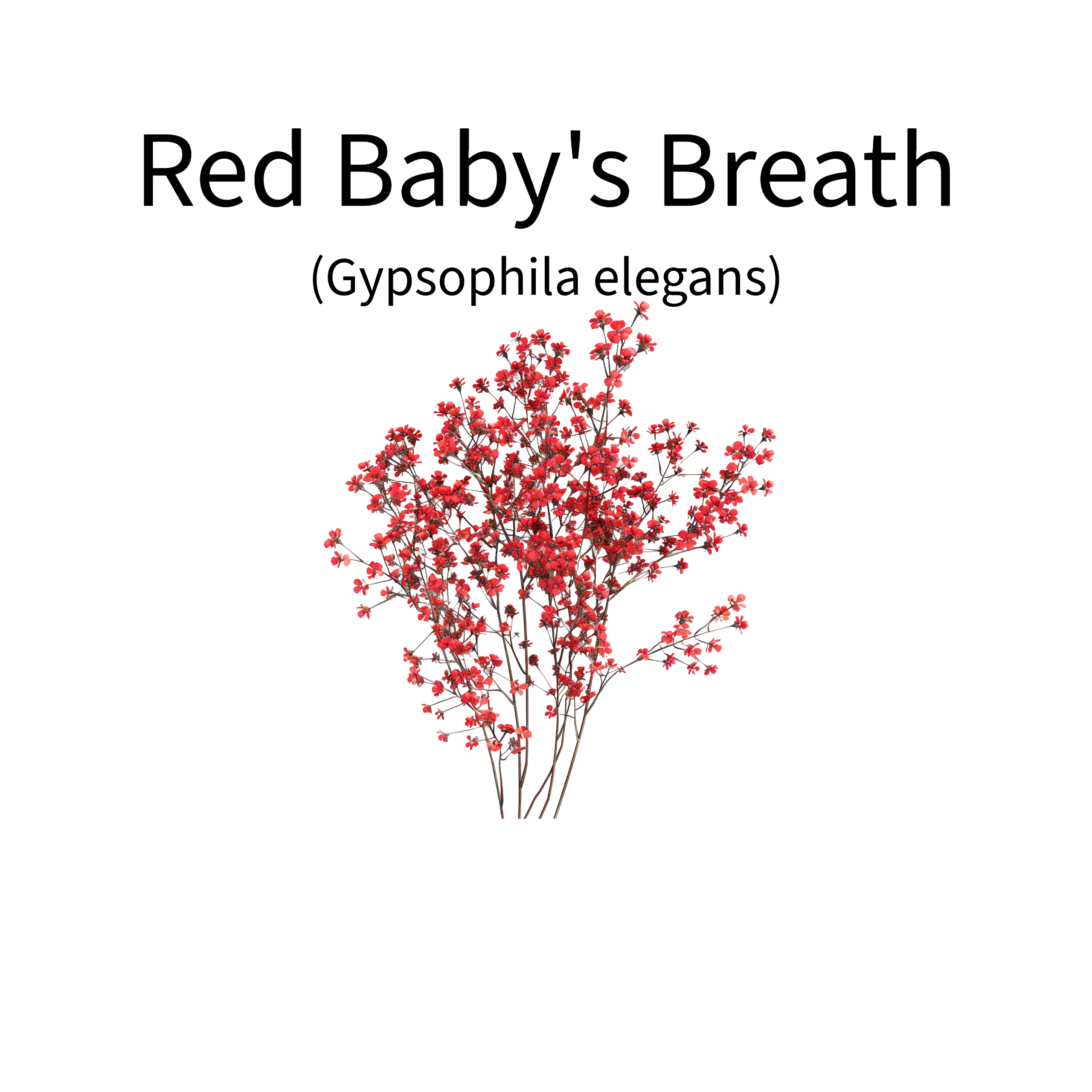
Red Baby’s Breath might sound like a delicate addition to any garden, but there’s much more to this vibrantly colored plant than meets the eye. Known for its striking hue and cloud-like clusters of tiny flowers, Red Baby’s Breath has the potential to be more than just a visual delight. In this article, we will explore whether this plant is a proficient nectar producer, the types of insects it attracts, and the optimal growing zones for its cultivation. Additionally, we’ll delve into whether hummingbirds are drawn to this plant, adding yet another layer of charm to its profile.
Is Red Baby’s Breath a Good Nectar Producing Plant?
To determine if Red Baby’s Breath (Gypsophila paniculata) is a good nectar-producing plant, it’s essential to understand what attributes qualify a plant as such. Nectar production often depends on the plant’s species, environmental conditions, and care. Red Baby’s Breath, while primarily grown for its ornamental value, does produce nectar, albeit in moderate amounts. It is not as prolific a nectar producer as some other garden staples, but it does provide enough to support various small pollinators.

The nectar of Red Baby’s Breath is accessible thanks to the plant’s open floral structure, which allows insects easy entry. This aspect makes it a beneficial addition to gardens aimed at attracting and supporting pollinators. However, those focusing strictly on maximizing nectar output might want to pair it with other, higher-yield plants.
What Type of Insects Will Be Attracted to Red Baby’s Breath?
The vibrant blossoms of Red Baby’s Breath are effective at drawing a variety of insects, particularly those that are small enough to navigate the compact flower clusters. Common visitors include:
- Butterflies: Small butterflies are frequent visitors, drawn by both the color and the modest amount of nectar.
- Bees: Various bee species, including honeybees and solitary bees, can often be seen buzzing around these flowers. While the nectar attracts them, the abundance of pollen is a significant draw.
- Hoverflies: Known for their bee-like appearance, hoverflies are excellent pollinators and are commonly attracted to small, clustered flowers like those of Red Baby’s Breath.
These insects not only add life to your garden but play crucial roles in the pollination process, aiding in the health and propagation of many plants.
Recommended Growing Zones for Red Baby’s Breath
For those looking to add Red Baby’s Breath to their floral ensemble, understanding the optimal growing zones is essential. This plant thrives best in USDA Hardiness Zones 3 through 9. It fares well in full sun and prefers well-drained soil, making it a resilient choice for various garden environments. Regular watering and occasional fertilization can help maintain its vibrant color and lush flowering.
Will Hummingbirds Use Red Baby’s Breath?
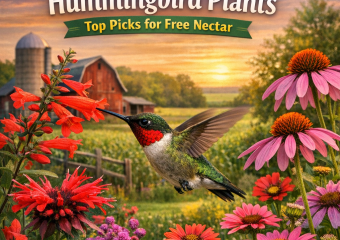
Now, regarding whether hummingbirds use Red Baby’s Breath, the answer leans towards the negative. Hummingbirds typically prefer flowers with more substantial nectar reserves and those that are tubular in shape, which facilitates easier access with their long beaks. Flowers like fuchsias, lilies, and petunias are more in line with their preferences. That said, while Red Baby’s Breath might not be a favorite of hummingbirds, its ability to attract other types of beneficial wildlife makes it a valuable addition to any garden seeking ecological diversity.
Conclusion
In summary, Red Baby’s Breath, with its beautiful red blossoms, does offer some nectar but isn’t a top choice for high nectar production. It does, however, attract a variety of insects like butterflies, bees, and hoverflies, which are essential for a healthy garden. Ideal for planting in zones 3 through 9, this plant is versatile and relatively easy to maintain. While not particularly attractive to hummingbirds, its contribution to the garden’s visual appeal and ecological balance cannot be underestimated. Thus, Red Baby’s Breath is indeed a worthwhile addition for those looking to enhance both the beauty and the biodiversity of their outdoor spaces.