Southeast Texas Native Plants: Exclusive Guide to Hummingbird Havens
Southeast Texas Native Plants for Hummingbird Nectar
Southeast Texas native plants offer a delightful, natural source of nectar for hummingbirds. This region, with its unique flora and fauna, provides numerous opportunities to attract these breathtaking birds using native greenery. As enthusiasts look to create friendlier habitats for wildlife in their gardens, understanding which local plants serve best for feeding hummingbirds is vital. Let’s explore the plants native to Southeast Texas that are ideal for hummingbirds, alongside discussing the regional hardiness zones and migration patterns of these tiny aviators.
Native Plants that Attract Hummingbirds
In Southeast Texas, gardeners have the advantage of growing a wide range of native plants that naturally attract hummingbirds. These plants not only thrive in local conditions but also adapt better to the environmental pressures and soil types found in the area. Here are a few native species renowned for their hummingbird appeal:
-
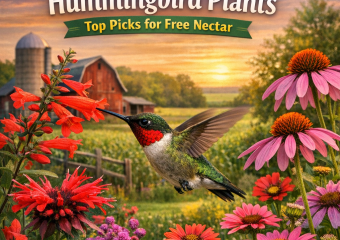
Turk’s Cap (Malvaviscus arboreus) – With its bright red flowers that bloom from early summer to late fall, Turk’s Cap is an excellent choice. It’s a hardy shrub that does well in both sun and shade, making it versatile for different garden settings.
-
Trumpet Vine (Campsis radicans) – Known for its vigorous growth and stunning red-orange trumpet-shaped flowers, this vine is irresistible to hummingbirds. It’s perfect for covering fences or trellises, offering a spectacular display from summer to fall.
-
Texas Lantana (Lantana urticoides) – Featuring clusters of vibrant orange-yellow flowers, Texas Lantana is a drought-resistant shrub that blooms profusely from spring to frost, providing ample nectar throughout the seasons.
-
Red Yucca (Hesperaloe parviflora) – Although not a true yucca, this plant’s coral-red flowering spikes are a favorite among hummingbirds. It’s particularly well-suited to the rocky, well-drained soils often found in Southeast Texas.
Exploring the USDA Hardiness Zones in Southeast Texas
Understanding the USDA hardiness zones of Southeast Texas is crucial for selecting the right plants for your garden. The hardiness zones in this region generally range from 8b to 9a. This classification means that the area experiences minimum average temperatures of 15 to 25 degrees Fahrenheit. Knowing this helps gardeners choose plants that can survive the local winter climate, ensuring a lush, blooming garden ready to welcome hummingbirds during their active seasons.

Hummingbird Migration in Southeast Texas
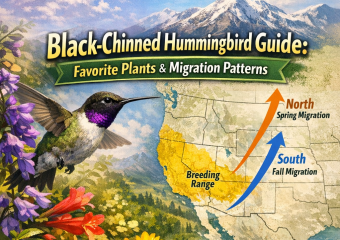
Southeast Texas serves as a critical point along the migration routes for various hummingbird species, including the well-known Ruby-throated Hummingbird. These birds typically migrate through Texas during the spring and fall. The presence of native flowering plants that produce copious amounts of nectar during these times is crucial for sustaining the hummingbirds on their long journey.
Gardens planted with native species such as Turk’s Cap and Trumpet Vine provide essential refueling stops for these migrants, offering them the strength needed to continue their flight towards their breeding grounds in the north or wintering areas in the south.
Creating a Hummingbird-Friendly Habitat
To make your garden a hummingbird haven, consider a few additional tips beyond just plant selection:
- Provide a source of fresh water, such as a birdbath or a small fountain.
- Avoid the use of pesticides, which can be harmful to hummingbirds and their food sources.
- Include a variety of plant species to ensure continuous blooming throughout the seasons, thus providing a stable food supply.
By incorporating these practices, your garden will not only be beautiful but also a crucial habitat for hummingbirds as they navigate their migratory paths.
Conclusion
For gardeners in Southeast Texas looking to attract hummingbirds, planting native species offers multiple benefits. Not only do these plants naturally attract these stunning birds, but they also contribute to the ecological health of the garden, promoting biodiversity and sustainability. Whether you’re in USDA hardiness zones 8b or 9a, integrating native flowering plants into your garden can transform it into a vibrant, hummingbird-friendly environment that supports wildlife and brings joy to any observer.