Monkeyflower Guide: Growth, Appearance, and Attraction to Hummingbirds
# Exploring the Charm of Monkeyflower (Mimulus): A Hummingbird's Delight

The Monkeyflower, scientifically known as Mimulus, is a fascinating and vibrant flowering plant renowned for its unique appearance and ability to attract hummingbirds. This versatile plant not only adds splashes of color to gardens but also serves as an important nectar source for local wildlife. In this post, we will delve into the many aspects of Monkeyflower, including its habitat, physical characteristics, and its relationship with hummingbirds.
What is Mimulus?
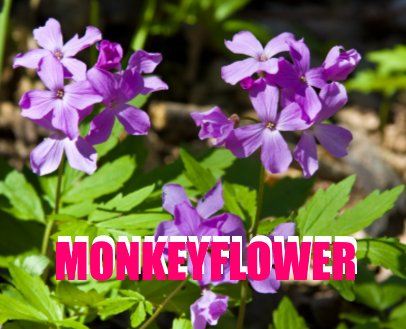
Mimulus, commonly referred to as Monkeyflower, belongs to the Phrymaceae family. The name 'Mimulus' is derived from the Latin word for mimic, referring to the mouth-like appearance of its flowers, which seem to mimic a monkey's playful expression. It is an intriguing plant that varies in size, shape, and color, making it a favorite among gardeners and nature enthusiasts.Where Does Monkeyflower Grow?
Habitat and Distribution
Monkeyflowers are versatile plants that thrive in a variety of environments but are commonly found in wet or moist areas such as riverbanks, pond edges, and damp meadows. They are predominantly native to North America, particularly thriving in the western and northeastern regions.USDA Plant Growing Zones
The Mimulus genus is hardy and adaptable, flourishing in USDA plant hardiness zones ranging typically from 3 through 9. This wide range allows gardeners in many different climates to enjoy the bright and cheerful presence of Monkeyflowers in their garden landscapes.States Where It Grows
In the United States, Monkeyflower is commonly found in states with moist habitats, including California, Washington, Oregon, and along the Appalachians. Each region hosts different species, tailored to the specific environmental conditions and climates.Physical Characteristics of Mimulus
Appearance and Size
Monkeyflowers have a distinct appearance with snapdragon-like blooms that range in color from bright yellows and oranges to reds and pinks. Their foliage is generally green, sometimes with a sticky or hairy texture, which helps in moisture retention.Growth Size
The size of Monkeyflowers can vary significantly depending on the species and the environment in which they are growing. Typically, they can reach heights ranging from 6 inches to 3 feet and can spread equally wide if the conditions are favorable.How Well Do Hummingbirds Like Monkeyflower?
A Source of Nectar
Monkeyflowers are exceptionally popular with hummingbirds, primarily due to their vibrant flowers and the abundant nectar they produce. The flowers are specifically shaped to accommodate the feeding habits of hummingbirds, whose long beaks fit perfectly into the tubular blossoms.Supporting Hummingbird Populations
The nectar from Mimulus is sufficiently rich and plentiful to be an important food source for hummingbirds, especially during the spring and summer when the birds are most active. Planting Monkeyflowers can significantly help local hummingbird populations by providing them with necessary nutrients and energy.Conclusion
Monkeyflowers are not only a gardeners' delight but also a boon for hummingbirds. With their radiant colors, various growth patterns, and significant ecological benefits, Monkeyflowers make an excellent choice for anyone looking to add life and color to their garden while supporting local wildlife. Whether in a wetland area or a cultivated garden, Mimulus plants are sure to captivate and charm all who encounter them.
Ads