Midwest Hummingbird Arrival Guide: Schedule and Species Update
title: “Anticipating the Arrival of Hummingbirds in the Midwest”
date: 2023-12-05
author: [Your Name]
Anticipating the Arrival of Hummingbirds in the Midwest
The Midwest is a vibrant host to a variety of avian species throughout the year, but the arrival of hummingbirds during the migration season is a particularly delightful event for bird watchers and nature enthusiasts. Each year, these tiny, energetic birds grace the region, bringing with them a burst of activity and color. Knowing when and what types of hummingbirds to expect can enhance your bird watching experience and help you prepare your garden to welcome these feathered friends.
When Do Hummingbirds Arrive in the Midwest?
Spring Migration
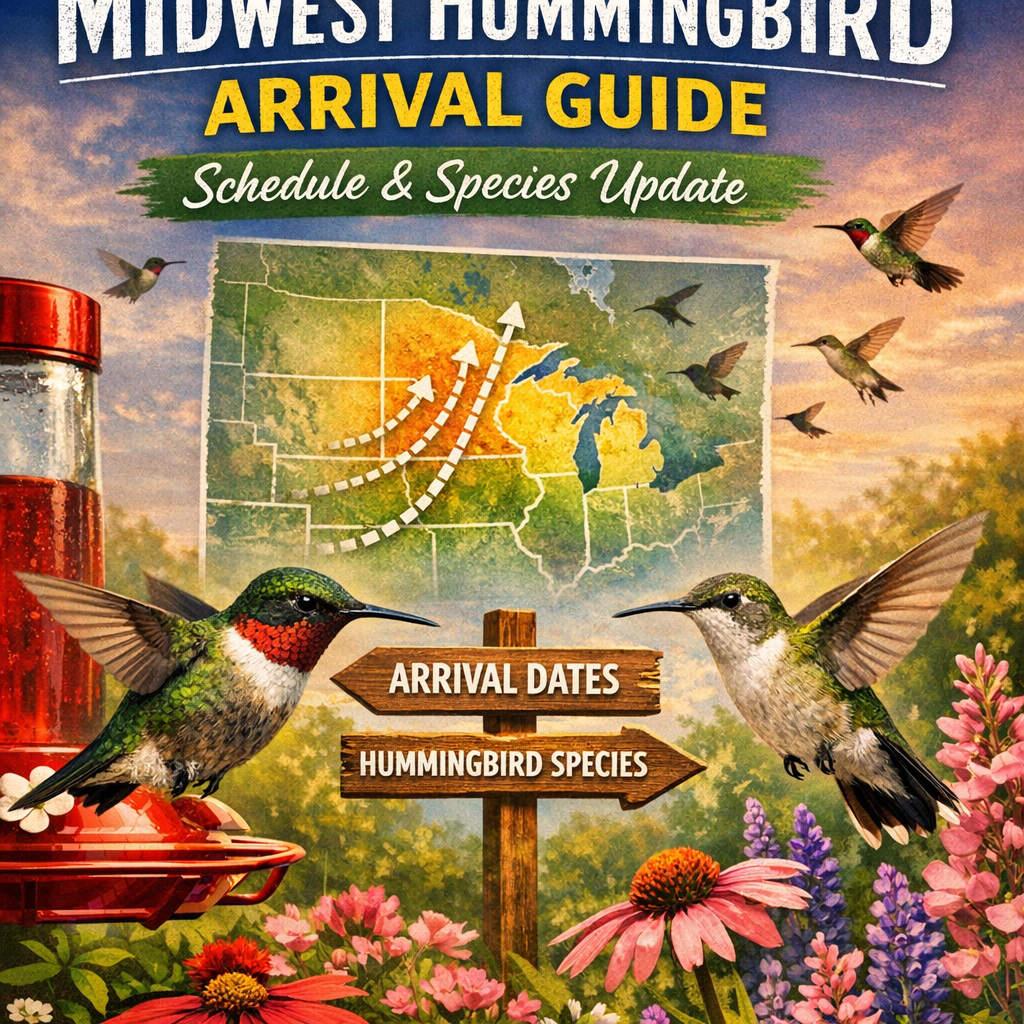
Hummingbirds typically begin their northward migration to the Midwest in the spring, with arrivals often seen as early as late March and continuing through May. This migration period can vary slightly depending on weather conditions and geographical location within the region.
Fall Migration
Similarly, hummingbirds start their southward journey back to their winter habitats by late summer or early fall. This usually occurs from August through September, with some stragglers seen even in early October, particularly in the southern parts of the Midwest.

Types of Hummingbirds in the Midwest
The Midwest hosts primarily two types of hummingbirds during the migration months:
1. Ruby-Throated Hummingbird
- Description: The Ruby-Throated Hummingbird is the most common species in the entire eastern half of the United States, including the Midwest. Males are recognizable by their iridescent ruby-red throats and emerald-green backs. Females lack the ruby throat and are more subdued in color with white, gray, and green tones.
- Habitat: They are often found in gardens and at feeders where nectar-rich flowers and sugar-water feeders are available.
2. Rufous Hummingbird
- Description: Less common but noted for its striking appearance, the Rufous Hummingbird has a fiery orange and red plumage. Though more typically seen in the western U.S., a few often stray into the Midwest during their long migratory route.
- Habitat: This species is adaptable and can be found in a wide variety of environments, though they tend to favor areas with dense shrubbery or woodlands.
Preparing for Their Arrival
Creating a Hummingbird-Friendly Environment
- Plant Native Flowers: Focus on planting native species like bee balm, cardinal flower, and columbine, all of which are rich in nectar and attractive to hummingbirds.
- Maintain a Feeder: Installing a hummingbird feeder filled with a simple sugar solution (four parts water to one part white sugar) can help supplement the birds’ diet, especially early in the season when fewer natural food sources are available.
- Avoid Pesticides: Since hummingbirds consume insects in addition to nectar, using pesticides can reduce their food sources and expose the birds to harmful chemicals.
Observation Tips
- Timing: The best times to watch for hummingbirds are early morning and late afternoon when they are most active in feeding.
- Quiet and Stillness: Since hummingbirds are sensitive to movement and noise, staying quiet and minimizing movements can lead to longer and closer observations.
Conclusion
The arrival of hummingbirds in the Midwest marks an exciting time for anyone interested in wildlife and nature. By understanding their migratory patterns and the types of hummingbirds that visit the region, enthusiasts can better prepare to enjoy and support these fascinating creatures. Whether you’re a seasoned bird watcher or a casual observer, the sight of hummingbirds flitting around your garden is an enchanting experience that heralds the coming of spring and summer in the heartland of America.