Hummingbirds in Central Florida: Stunning Rarity Explained
Focus Keyword: Hummingbird feeders in Central Florida’s Space Coast
Introduction: Hummingbird Feeders in Central Florida’s Space Coast
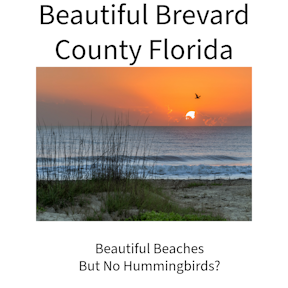
Hummingbird feeders in Central Florida’s Space Coast are not as common a sight as one would expect, especially in regions famed for their rich biodiversity. Home to Brevard and Volusia counties, this area’s sparse hummingbird population prompts a curious question: what factors are limiting the presence of these vibrant birds? To understand this, it’s important to delve into the natural conditions, local flora, and possible human impacts influencing hummingbird behaviors and habitats.
Understanding Hummingbird Migration and Habitats
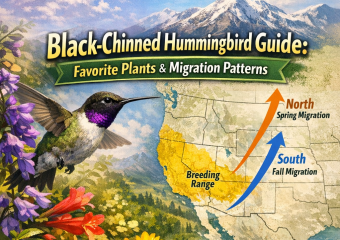
Hummingbirds, known for their dazzling colors and rapid wing flaps, are predominantly migratory birds that travel great distances during their seasonal movements between breeding and wintering grounds. The exact species of hummingbirds found across North America can vary significantly by region, affected by local climates and available food sources.

In Central Florida, including Space Coast’s environment, two factors play major roles in hummingbird sightings: the suitability of the habitat and the timing of migrations. Most commonly, the Ruby-throated Hummingbird is the species observed in Florida, often during their migration to and from Central America. However, these visits tend to be transient, lining up with their migratory patterns rather than indicating a permanent residence.
Why Are There Fewer Hummingbird Feeders?
Local Flora and Food Sources
Central Florida’s native vegetation differs markedly from the preferred natural habitats of many hummingbird species. Hummingbirds are particularly attracted to areas rich in flowers that provide nectar, which is critical to their diet. The native plant species in Space Coast may not be as conducive to sustaining large populations of hummingbirds. Additionally, the use of pesticides and changes in local gardening and landscaping practices could reduce the availability of appropriate nectar-rich flowers.
Impact of Urban Development
Urbanization plays a significant role in shaping wildlife populations. In Brevard and Volusia counties, the growth of residential and commercial areas limits the natural spaces available for hummingbirds. Proper green spaces, which include the preservation of native plants and flowers that provide natural food sources, are essential for attracting hummingbirds.
Attracting Hummingbirds to Central Florida
For residents of the Space Coast interested in seeing more hummingbirds, there are several effective strategies that can be employed. Firstly, the installation of hummingbird feeders filled with a sugar-water solution can help attract these birds. It’s crucial to maintain cleanliness and frequent refilling of the feeders to ensure they’re safe and appealing to hummingbirds.
Selecting the Right Plants
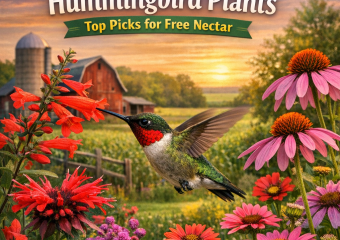
Planting a garden that mimics the natural habitat preferred by hummingbirds can also encourage them to visit. Flowers like trumpet vine, bee balm, and hummingbird sage are particularly attractive to hummingbirds due to their shape and the plentiful nectar they produce. Such gardens not only support the local hummingbird population but also enhance biodiversity by attracting other wildlife.
Community and Conservation Efforts
Engaging with local wildlife conservation initiatives can further enhance hummingbird populations. Programs that focus on the preservation and restoration of native plant species and habitats can create a more welcoming environment for hummingbirds and other wildlife. Community efforts, such as creating hummingbird-friendly corridors across residential areas, can also have a significant positive impact.
Conclusion
While it may currently be rare to spot hummingbird feeders in Central Florida’s Space Coast, understanding and addressing the factors that limit their presence can lead to seeing more of these magnificent birds. Through community involvement and individual actions such as planting appropriate flowers and setting up feeders, residents can attract more hummingbirds and contribute to the preservation of their local wildlife biodiversity. By fostering an environment that welcomes these fascinating creatures, Space Coast could become a favorite stop on their migratory journey.