Hummingbird Trust: Exclusive Insights into Their Surprising Bond
Do Hummingbirds Trust People?
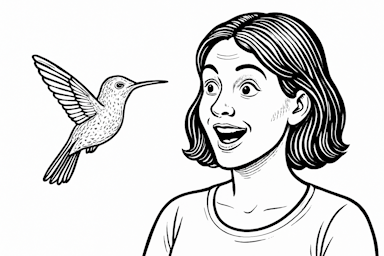
Hummingbirds, those vibrant splashes of color that dart through the garden, often intrigue onlookers with their swift movements and tiny, delicate frames. Their interactions with humans can be particularly mesmerizing. Reports of these birds hovering face-to-face with people, or even alighting on an outstretched finger, stir a sense of wonder about the relationship between humans and these miniature aviators. But does this mean hummingbirds truly “trust” humans, or is there more to this behavior?
Understanding Hummingbird Behavior
Hummingbirds are naturally curious creatures. Their survival requires them to take swift decisions and constantly explore their environment in search of nectar and insects. While these interactions might seem like gestures of trust or friendship, they are often driven by necessity and instinct rather than genuine familiarity or affection.
In the wild, hummingbirds are solitary animals except during mating season. They do not form bonds with other creatures as some animals do, but they can become accustomed to human presence in environments where their daily routines overlap consistently with people. For instance, if a garden provides a steady supply of food, hummingbirds may start appearing more frequently, becoming less startled by the human activity around them.

Can Hummingbirds Recognize Humans?
There is some evidence to suggest that hummingbirds can recognize and distinguish between humans, especially if their experiences with those individuals involve reliable sources of food. Feeders maintained by people can become popular spots for local hummingbirds, which may start to associate human presence with the availability of food. In these cases, the birds’ reduced fear might appear as if they trust the humans who regularly tend to their feeding stations.
Interaction Beyond Trust: Adaptation and Familiarity
Rather than trust, it might be more accurate to describe hummingbirds’ behavior as adaptation or familiarity. These birds learn quickly which areas are safe and which provide the necessary resources. A person consistently standing near a feeder while remaining still and non-threatening might soon be regarded as part of the environment, a harmless backdrop not to be feared.
This adaptive behavior is mirrored in how hummingbirds interact with inanimate objects in their environment. For instance, they might repeatedly come to brightly colored objects that resemble flowers. It’s not trust towards the object per se, but an ingrained behavior pattern that the color could signify a food source.
Are There Other Instances Where Hummingbirds Show “Trust”?
The concept of “trust” in the context of wild animals is often linked to their behavior toward other living entities or objects that consistently appear safe and beneficial. For hummingbirds, another fascinating aspect is their interaction with certain predators. Research indicates that hummingbirds may exhibit less caution around predators that pose no direct threat to them, such as certain species of spiders or frogs found near their feeding territories. This coexistence predominantly stems from a tactical assessment of threat levels rather than an emotional trust.
Conclusion
The question of whether hummingbirds trust humans can evoke delightful images of interspecies friendship, but the truth leans more towards an understanding based on adaptability and survival instincts. Hummingbirds do not “trust” humans in the emotional sense that we understand but can recognize and react to people based on their experiences and the benefits they might gain, such as safety and food.
As enchanting as it is to think of these beautiful creatures as trustful friends, appreciating the practical and instinctive basis of our interactions with them adds another layer of wonder to the intricate tapestry of nature. Thus, next time a hummingbird hovers close, consider it a sign of the remarkable ways in which wildlife adapts to coexist with humans—through observation, learned behaviors, and perhaps, a bit of curiosity.