Hummingbird Nests: Essential DIY Tips & Surprising Facts
Discovering the Nesting Habits of Hummingbirds
Hummingbirds, known for their dazzling colors and rapid wing beats, create nests that are equally fascinating. These tiny architects use a variety of materials to construct their homes, tailored perfectly to ensure a safe incubation of their eggs and a cozy space for their young. Understanding the materials they use and considering what DIY materials we can offer them could contribute positively to their habitat, especially for those residing from Florida to Canada, including the extensive stretch of the boreal forests of Canada.
The Craftsmanship of Hummingbird Nests
Nest construction is a meticulous process for hummingbirds, with each species having its unique approach. The most common North American hummingbird, the ruby-throated hummingbird, exhibits remarkable ingenuity in its nest-building. The female alone undertakes the building process, which can take anywhere from five days to a week.
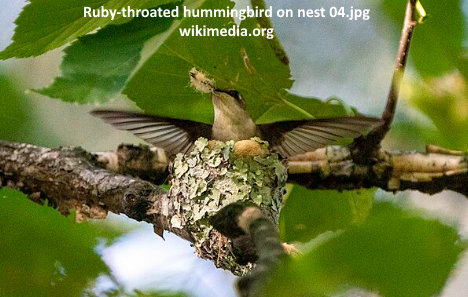
The basic structure of a hummingbird nest is an elastic, cup-shaped creation that expands as the young grow. The outer layer comprises bits of leaves, bark, and sometimes small twigs, all held together with spider silk, which acts as a strong yet flexible adhesive. The interior is lined with soft plant fibers, animal hair, and feather down, which provides an insulated, warm environment critical for the survival of the hatchlings. This careful selection of materials ensures the nest is Camouflaged against potential predators.

Can We Offer DIY Materials to Assist in Nest Building?
It’s fascinating to consider how we might engage in supporting these remarkable birds. Offering DIY materials for nest building can be helpful, provided they are safe and natural. Items such as untreated wool, cotton fibers, or small strips of bark can be left in open spaces for hummingbirds to find. It’s important, however, to avoid materials like plastic, tinsel, or anything that might retain water or unravel easily, as these can pose risks to nest stability and the health of the chicks.
Moreover, placing these materials in a quiet, predator-free area is crucial. This not only protects the hummingbirds but also increases the chance of them utilizing the offered materials without disturbance.
The Geographic Span of Ruby-Throated Hummingbird Nesting
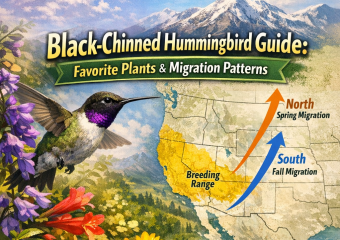
The ruby-throated hummingbird has a vast range covering from Florida to Canada, adapting to various habitats along the way. Contrary to the assumption that most hummingbirds nest solely in Canada’s boreal forests, these birds are quite versatile, nesting across a wide geographical range including woodlands, gardens, and even urban areas, wherever they can find suitable nesting spots.
During their breeding season, which ranges from March to July, depending on the latitude, females meticulously build their nests in branches usually 10 to 40 feet off the ground. The sites are typically in deciduous or mixed deciduous-coniferous trees, which offer the necessary shelter and proximity to food sources – primarily nectar and insects.
Preserving and Supporting Hummingbird Habitats
While we may offer DIY materials, preserving the natural habitats of these birds remains paramount. Protecting areas rich in native flowering plants and minimizing pesticide use can significantly benefit the hummingbirds, providing them with the natural resources needed to thrive and continue their life cycle effectively. Additionally, maintaining clean feeding stations with sugar water can supplement their diet, especially during migration periods or when nectar is less available.
In urban environments, planting native flowers and shrubs can attract hummingbirds and give them a natural supply of nectar. This not only supports their dietary needs but also encourages natural nesting behaviors.
Conclusion
The delicate yet sturdy nest of a hummingbird is a marvel of natural engineering. By understanding what materials these tiny birds use and exploring ways to support them through DIY contributions and habitat preservation, we can play a part in safeguarding the future of the hummingbirds that grace the skies from Florida to Canada. Whether nestled in the vast boreal forests or among the branches of our backyards, these birds continue to enchant and inspire, reminding us of the beauty and resilience of nature.