Hummer Plants for Zone 5a: Must-Have Nectar Powerhouses
What Are a Couple of Hummer Plants That Deliver Excellent Free Nectar in US Zone 5a on the East Coast of the US That Are Not Typically Found in Zone 7?
If you’re a hummingbird enthusiast gardening in US Zone 5a on the East Coast, you might wonder what hummer plants can provide excellent free nectar and thrive in your cooler climate — especially those not commonly seen in the warmer Zone 7 regions just a few zones to the south. The contrast in climate between Zones 5a and 7 affects the assortment of native and adaptive plants suitable for each region, making certain nectar-rich plants unique to the colder zones.
In this article, we’ll explore a couple of hummingbird-friendly plants that flourish in Zone 5a but are less typical in Zone 7 along the East Coast. These plants will help create a garden oasis tailored to your regional climate while attracting vibrant hummingbirds with their nectar-rich flowers.
Understanding Hummingbird-Friendly Nectar Plants for Cooler Zones
Hummingbirds have a strong preference for brightly colored, tubular flowers that provide abundant nectar. In Zones 5a and 7, gardening approaches can differ due to temperature ranges and frost dates. Zone 5a experiences colder winters with minimum temperatures between -20°F to -15°F (-29°C to -26°C), whereas Zone 7 has milder winters with minimums around 0°F to 10°F (-18°C to -12°C).

Plants that can survive Zone 5a winters are typically hardier and sometimes less common in Zone 7, which favors species that thrive in warmer soils and milder winters. This climate gap creates an opportunity to choose hummer plants that are especially well-adapted and unique to cooler conditions.
Hummer Plants Thriving in Zone 5a But Rare in Zone 7
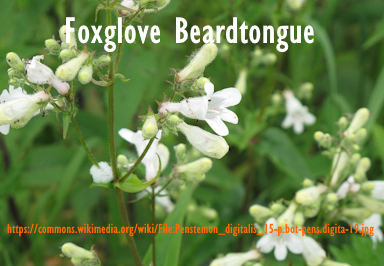
1. Penstemon Digitalis (Foxglove Beardtongue)
Penstemon Digitalis is an excellent choice for Zone 5a gardeners seeking nectar-rich flowers to attract hummingbirds. This perennial plant produces tubular white to pale pink flowers in late spring to early summer, which are perfect for hummingbird feeding.
- Why It’s Great for Zone 5a: Penstemon Digitalis is hardy down to Zone 3, making it very frost-tolerant and well-adapted to the colder winters of Zone 5a. It prefers full sun and well-drained soils, establishing well in meadows, prairies, and naturalistic garden beds.
- Not a Zone 7 Staple: While penstemons in general may be found in Zone 7, Penstemon Digitalis itself is more characteristic of cooler zones and often less vigorous in warmer southern pockets, where humidity and heat stress can reduce its performance.
This plant also blooms profusely, creating long-lasting nectar availability during hummingbird migration seasons — a true free nectar supplier.
2. Aquilegia canadensis (Eastern Red Columbine)
Aquilegia canadensis is another standout plant for Zone 5a gardens aiming to support hummingbirds. Its delicate, nodding red and yellow flowers offer an inviting shape and ample nectar for these tiny birds.
- Zone 5a Adaptability: This native wildflower thrives naturally in cooler, temperate climates and tolerates frost well, often found in woodlands and rocky outcrops of the northern and eastern US.
- Less Common in Zone 7: While it can grow in Zone 7, it is less frequently cultivated there as a hummingbird magnet because warmer climates can cause it to decline more quickly or become overshadowed by more heat-tolerant species.
Aquilegia canadensis is especially valued for its ease of growth, minimal care needs, and early blooming period, ensuring hummingbirds have nectar early in the season.
Additional Tips for Cultivating Hummingbird Nectar Plants in Zone 5a
- Consider native plants to your Zone 5a area, as these will typically have co-evolved with local hummingbird species and provide the most attractive nectar source.
- Provide a succession of blooms throughout the growing season by mixing early, mid-, and late-blooming plants to sustain hummingbirds from migration through summer.
- Use well-draining soils and full to partial sun to mimic the natural habitats of these plants for best vigor and flower production.
- Avoid pesticides and herbicides that can harm hummingbirds and the insects they also feed on.
Conclusion
While many hummingbird-friendly plants overlap between Zones 5a and 7 on the East Coast, Penstemon Digitalis and Aquilegia canadensis are two excellent examples that shine in cooler Zone 5a gardens but are not typically found or do not thrive as well in warmer Zone 7 areas. Incorporating these species into your garden will help attract hummingbirds with free, abundant nectar while ensuring that your planting matches the climatic conditions of your region.
Creating a hummer-friendly haven in Zone 5a is about tailoring your garden to the hardiness and nectar-producing potential of native or regionally appropriate plants. By selecting smart choices like these, you can enjoy delightful hummingbird visits and a flourishing, vibrant garden every season.