Guide to Calliope Hummingbird: Migration, Mating, and Conservation Status
Unveiling the Enigmatic Calliope Hummingbird: Migration, Mating, and More
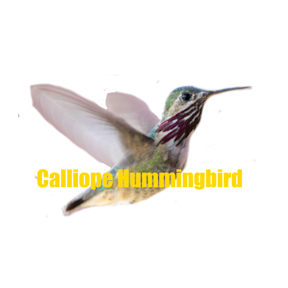
The Calliope Hummingbird, a marvel of nature, is not only the smallest bird species in North America but also an intriguing study of avian behavior and ecology. With its mesmerizing beauty and astonishing migratory patterns, this bird captures the interest of birdwatchers and scientists alike. In this article, we explore the wintering habits, migration routes, mating behaviors, and current status of the Calliope Hummingbird.
Where Does the Calliope Hummingbird Winter?
Seeking Warmth and Food
The Calliope Hummingbird, primarily breeding in the higher altitudes of the Western United States and Canada, typically winters in the warmer southern climates. Their wintering grounds are mainly found in the southwestern United States, Mexico, and Guatemala. During winter, they frequent lowland areas, a stark contrast to their usual mountainous, summer habitats. This migration is driven by the search for food—specifically, nectar and small insects—which becomes scarce in their breeding areas during the colder months.
Migration Patterns: A Long Journey North and South
An Impressive Flight
Each year, Calliope Hummingbirds embark on a remarkable journey. They are known for traveling up to 5,000 miles round trip during their migration from their wintering grounds back to their breeding territories. This journey is particularly impressive considering the tiny size of these birds, which can be as light as a penny!

Navigating by Day
These hummingbirds are diurnal migrants, meaning they travel during the day. This allows them to feed on flowers and insects along their route. Their migration pattern is closely tied to the blooming periods of flowers, which ensures a continuous food supply necessary for the energy-intensive flight.
Mating Rituals and Cross-Species Breeding
Elaborate Displays by Males
During the breeding season, male Calliope Hummingbirds perform spectacular aerial displays to attract females. These include diving from great heights and making a series of sharp, distinctive sounds generated by their tail feathers. This display not only showcases their vigor but also plays a crucial role in the mating ritual.
Species Isolation
Regarding cross-species mating, Calliope Hummingbirds generally do not mate with other species. Hummingbirds, by nature, have developed specific mating displays and preferences that tend to be species-specific, which reduces the likelihood of interbreeding.
Conservation Status: Is the Calliope Hummingbird Thriving?
Current Population Trends
The Calliope Hummingbird is currently classified as “Least Concern” by the IUCN Red List, indicating that it does not face immediate threats of extinction. This status is a result of its broad range and relatively stable population sizes. However, like many wildlife species, it is not entirely free of threats.
Environmental Threats and Conservation Efforts
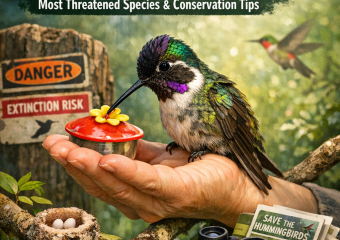
The primary threats to the Calliope Hummingbird include habitat loss due to forest logging and residential development. Climate change also poses a significant risk, potentially altering the timing of flower blooms which could affect their food supply during migration. Conservation efforts are essential to mitigate these impacts and ensure that the populations remain stable. This includes protecting critical habitats and promoting conservation programs that help maintain the ecological balance necessary for their survival.
Conclusion: Protecting a Tiny Wonder
As the smallest bird on the continent, the Calliope Hummingbird’s survival is a testament to nature’s resilience. By understanding more about where they winter, how they migrate, and what they require to thrive, we can better appreciate and protect these tiny wonders. Their continued survival hinges not only on natural resilience but also on our commitment to preserving the delicate balance of their habitats. Let’s cherish and safeguard the Calliope Hummingbird, ensuring it remains a vibrant part of our natural world.