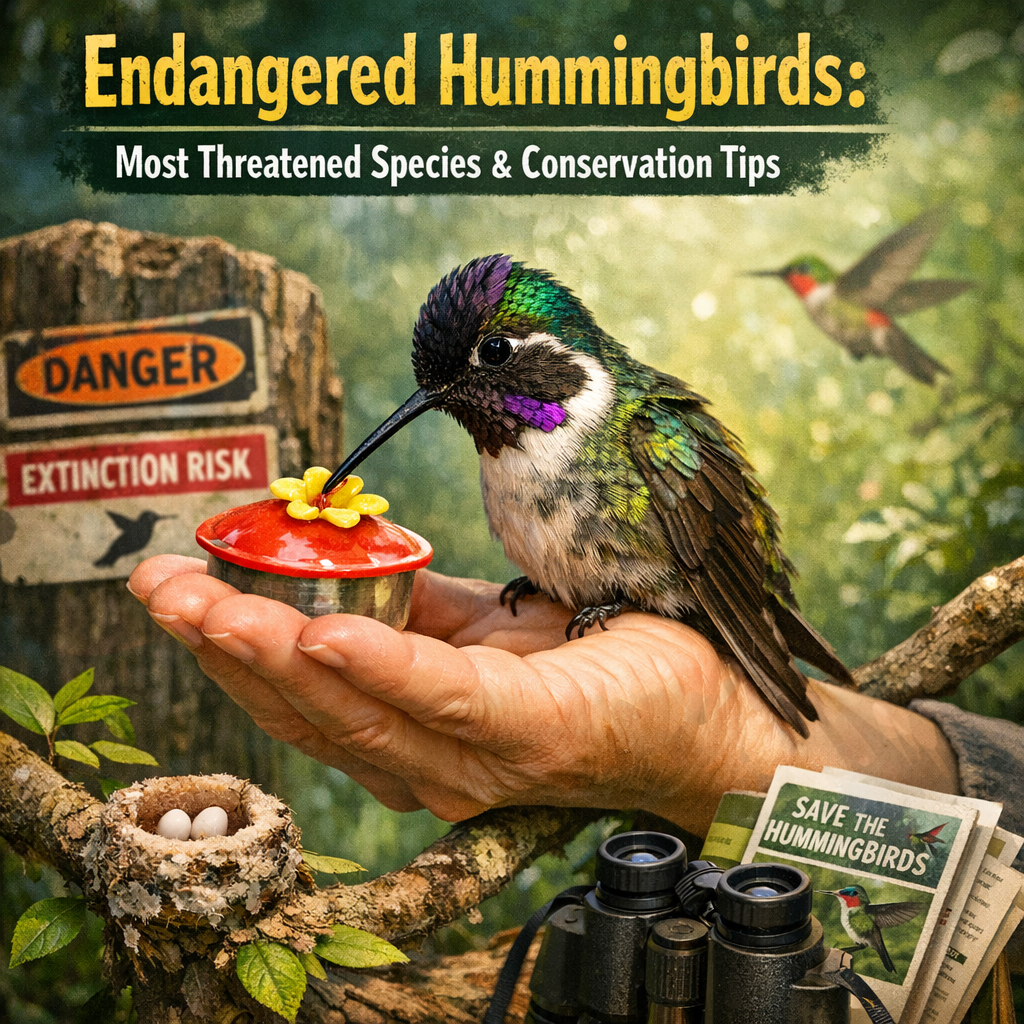
Endangered Hummingbirds: Most Threatened Species & Conservation Tips
title: “The Plight of the Most Endangered Hummingbird: Understanding and Action”
date: 2023-12-15
author: Environmental Enthusiast
keywords: endangered hummingbird, conservation
Hummingbirds, those mesmerizing jewels of the sky, are facing numerous threats across their habitats. Among these tiny avian wonders, one species stands out for its precarious position on the brink of extinction: the Esmeraldas Woodstar. This blog post delves into why this particular hummingbird is the most endangered, the factors contributing to its status, and the actions that can be taken to aid its recovery.
Understanding the Most Endangered Hummingbird
The Esmeraldas Woodstar: A Profile
The Esmeraldas Woodstar (Chaetocercus berlepschi) is perhaps the most perilously endangered hummingbird species. This minute bird, measuring just about 2.5 inches in length, is known for its distinctive bright plumage and exceptionally small size. It is endemic to a limited range in Ecuador, primarily in the regions around Esmeraldas, which gives this species its name.
Why Is the Esmeraldas Woodstar Endangered?
Habitat Loss
The primary threat to the Esmeraldas Woodstar is habitat destruction. The coastal forests of Ecuador, where this hummingbird thrives, are being continuously cleared for agricultural expansion, particularly for palm oil plantations and other types of farming. This deforestation not only strips the Woodstar of its natural habitat but also of its food sources, mainly consisting of specific flowers adapted to its unique feeding needs.

Climate Change
The impacts of climate change exacerbate the survival challenges for the Esmeraldas Woodstar. Changes in temperature and precipitation patterns can alter flowering periods, making it difficult for the Woodstars to find adequate nourishment throughout the year. Additionally, extreme weather events, such as heavier rains or droughts, further threaten their fragile ecosystems.
Limited Range
Due to its extremely limited geographic distribution, any adverse changes in its habitat disproportionately affect the Esmeraldas Woodstar. With such a small population size, the genetic diversity is low, making the species even more vulnerable to diseases and environmental changes.
Can We Help the Esmeraldas Woodstar Survive?
Conservation Efforts
Several conservation initiatives are underway to protect the dwindling numbers of the Esmeraldas Woodstar. These include:
- Protected Areas: Establishing and enforcing protected areas where deforestation and other land use changes are controlled can help preserve critical habitats.
- Community Engagement: Educating and engaging local communities in conservation efforts ensures sustainable practices that benefit both the people and the wildlife.
- Research and Monitoring: Conducting ongoing research to understand the ecological needs and threats facing the Esmeraldas Woodstar, coupled with monitoring populations, can help refine conservation strategies.
How You Can Contribute
Support Conservation Organizations
Donating to or volunteering with organizations that focus on the conservation of hummingbirds, especially in Ecuador, can make a significant difference. These organizations work on the ground to implement effective conservation strategies and advocate for policy changes.
Advocate for Sustainable Practices
Promoting and adopting sustainable land-use practices that favor biodiversity can reduce pressure on hummingbird habitats. This includes supporting products that are responsibly sourced and certified to not contribute to deforestation.
Spread Awareness
Raising awareness about the plight of the Esmeraldas Woodstar can garner more global attention and support for conservation efforts. Sharing information through social media, educational programs, and community activism can lead to a greater understanding and appreciation of these tiny, vital creatures and the challenges they face.
Conclusion
The Esmeraldas Woodstar is a glaring example of what many species face in the wake of human expansion and environmental change. By understanding the factors leading to its endangered status and participating in or supporting targeted conservation efforts, we help ensure that the light of one of nature’s smallest wonders isn’t extinguished. Let us act swiftly to ensure our co-inhabitants on this planet have a fighting chance at survival.