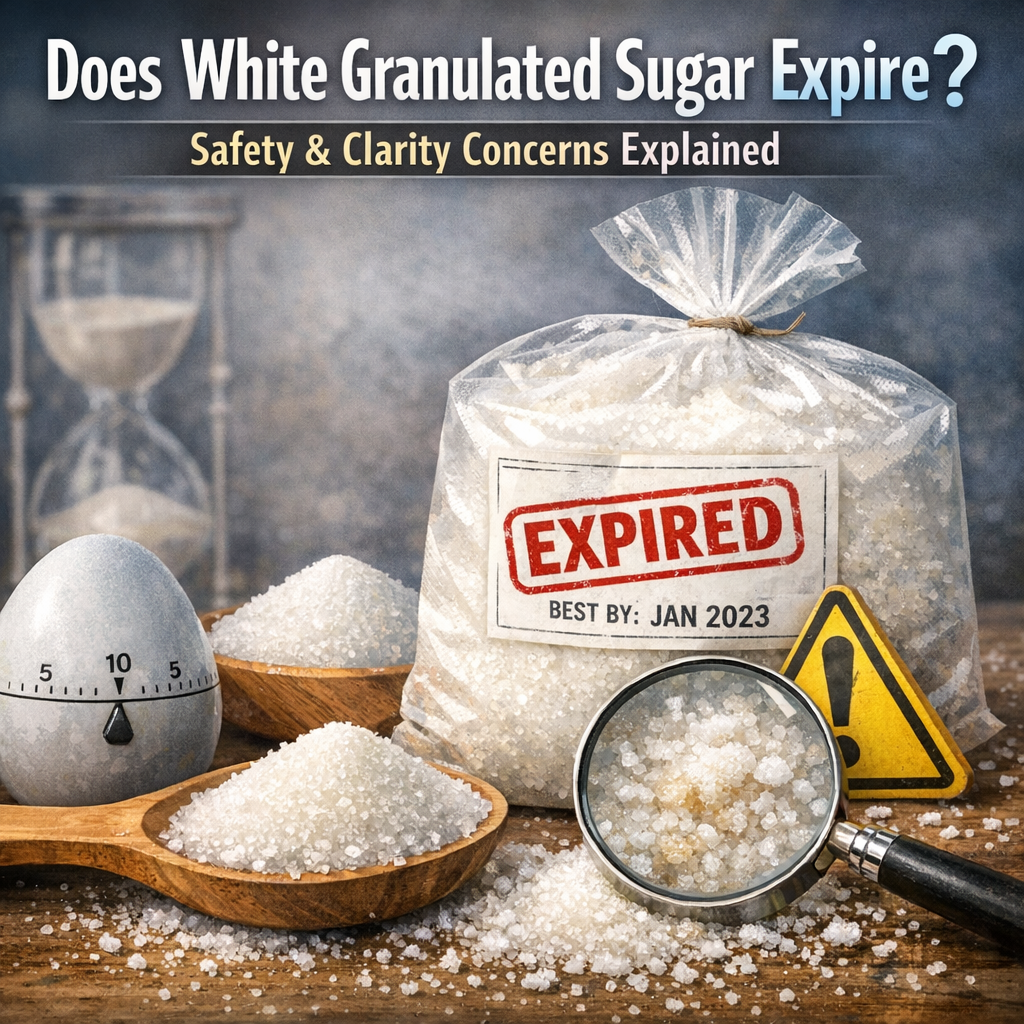
Does White Granulated Sugar Expire? Safety and Clarity Concerns Explained
Does Sugar Expire? Understanding Sugar Storage and Safety
Sugar is a staple in many households and is used in various cooking and baking applications. It’s commonly believed that sugar doesn’t go bad, but improper storage after opening a bag can lead to issues, particularly when using tools like the Sugar Shaker Nectar Maker® for preparing hummingbird nectar. Let’s delve into whether your granulated sugar can get contaminated and the implications for both human and bird consumption.
Can White Granulated Sugar Go Bad?
White granulated sugar itself is known for its long shelf life due to its inability to support microbial growth. In its pure form, sugar does not “expire” in the traditional sense. The primary reason for this longevity is sugar’s low moisture content, which discourages the growth of bacteria and mold. However, once the bag is opened, environmental factors can start to affect its purity and quality.
Common Signs of Contamination
If you notice that nectar made with your sugar is turning cloudy shortly after mixing, this is a common sign that the sugar might have been contaminated. Other indicators include:

- Clumping or hardening of sugar
- Off odors or unusual tastes
- Visible mold or discoloration
What Could Be Contaminating the Sugar?
Moisture
Moisture is the most likely culprit when it comes to sugar contamination. If sugar is exposed to humidity or any liquid, it can clump and eventually promote microbial growth, leading to cloudiness in solutions like nectar.
Foreign Particles
Improper storage can lead to foreign particles mixing with the sugar. This can include dust, food particles, or other contaminants that might have been introduced by using a non-clean utensil or storing the sugar in a non-sealed container.
Insects
Insects can also be attracted to stored sugar. Their presence in a sugar bag not only contaminates the sugar with foreign bodies but can also introduce bacteria.
Storage Best Practices for Sugar
To ensure your sugar remains pure and uncontaminated, follow these storage tips:
- Keep it Dry: Store sugar in an airtight container to protect it from moisture and humidity.
- Cool Environment: Keep the container in a cool and dark place to avoid exposure to heat which can cause melting and clumping.
- Clean Utensils: Always use clean, dry utensils when scooping out sugar.
- Regular Checks: Regularly check your sugar for signs of spoilage or contamination, particularly before using it for sensitive applications like nectar making.
Health Implications of Consuming Contaminated Sugar
For Humans
While consuming slightly contaminated sugar (e.g., sugar with minor clumping from moisture) is unlikely to be harmful, eating sugar contaminated with mold or bacteria can lead to food poisoning. It’s essential to discard any sugar showing visible signs of microbial growth.
For Birds
The scenario can be different for birds. Hummingbirds and other nectar-eating birds are highly sensitive to the quality of nectar. Sugar contaminated with harmful bacteria or mold can negatively impact their health, potentially leading to infections or diseases. Ensuring the sugar used in nectar is free from contaminants is crucial for their well-being.
Conclusion
In conclusion, while sugar does not go bad in the traditional sense, it can become contaminated if not stored properly, leading to problems like cloudiness in nectar made using a Sugar Shaker Nectar Maker®. By following proper storage guidelines and being vigilant about the sugar’s appearance and smell, you can ensure it remains safe for both human and bird consumption. Remember, when in doubt, it’s safer to replace your sugar to maintain the highest purity levels for your culinary and bird-feeding needs.