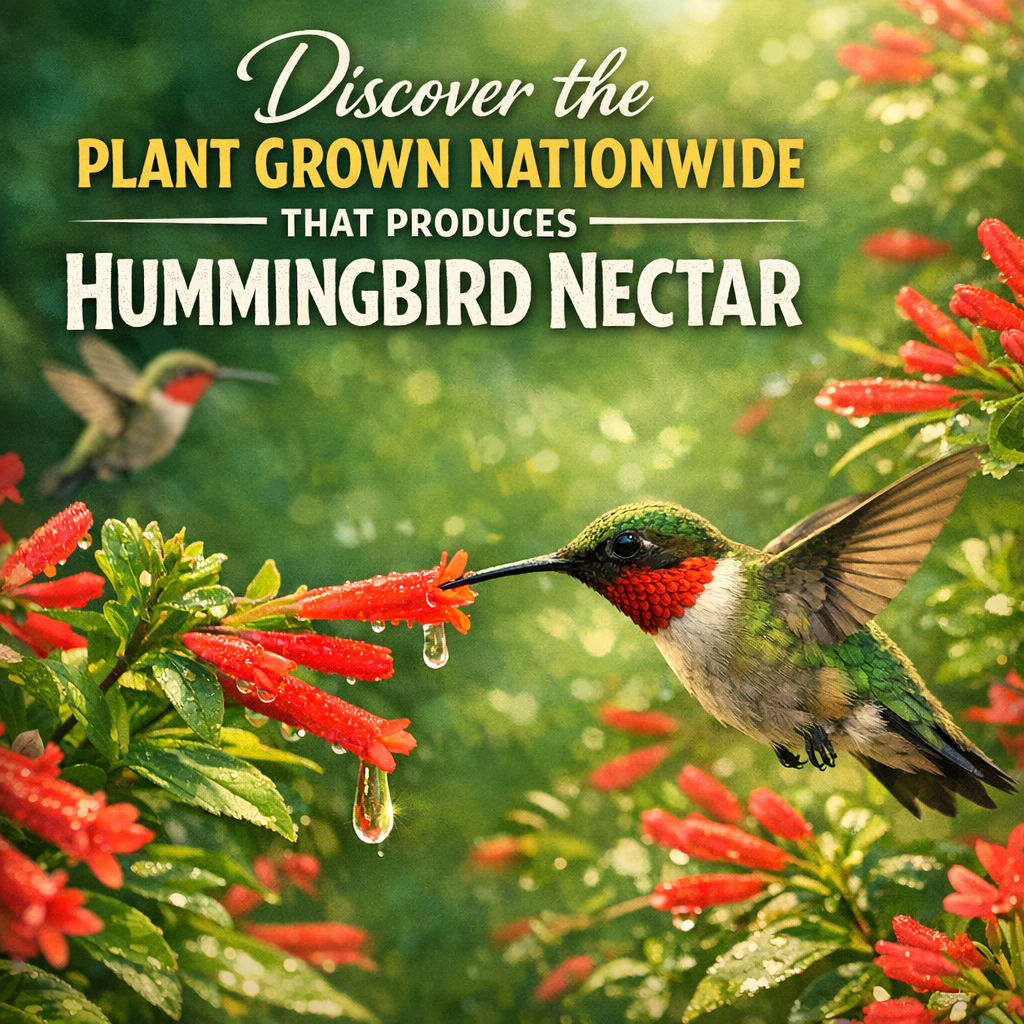
Discover the Plant Grown Nationwide That Produces Hummingbird Nectar
Discovering the Universal Hummingbird Nectar Plant Across the Continental US
Hummingbirds, those tiny, energetic, and vibrant birds, have captivated the hearts of many bird watchers and garden enthusiasts across the United States. Providing these creatures with a steady source of nectar is a common interest for many nature lovers. But is there a certain plant that thrives across the entire continental US and produces nectar beloved by hummingbirds? Let’s explore this intriguing question.
The Quest for a Universal Hummingbird Plant
Adaptable Plants in Diverse Climates
The United States features a wide array of climates and environments, making it challenging for any single plant species to dominate throughout. From the cold mountainous regions to the hot and humid southern plains, plant species must adapt significantly to survive and flourish.
General Characteristics of Hummingbird-Friendly Plants
Plants that attract hummingbirds usually share a few common characteristics:

- Brightly colored flowers, predominantly in shades of red, pink, and orange.
- Tubular flower shapes that cater to the long beaks of hummingbirds, making it easier for these birds to access the nectar.
- High nectar production, which is essential to meet the high energy needs of these fast-flapping birds.
A Contender Across Zones: The Trumpet Vine
When searching for a plant that both survives across the continental US and attracts hummingbirds, the Trumpet Vine (Campsis radicans) often comes forward as a strong candidate.
Geographical Viability
- Zones 4-9: Trumpet Vine thrives in USDA Zones 4 through 9, covering a vast majority of the continental US.
- Adaptability: This plant adjusts well to various soil types and climate conditions, making it quite resilient across different geographical areas.
Attracting Hummingbirds
- Vibrant Colors: The Trumpet Vine produces bright orange to red flowers, which are highly attractive to hummingbirds.
- Ideal Shape and Size: The tubular blooms are perfectly suited for hummingbirds, allowing easy access to the rich, sugary nectar.
Growth and Care
- Vigorous Growth: Trumpet Vine is known for its robust growth, often reaching extensive lengths if not properly managed.
- Maintenance: To keep it under control and healthy, regular pruning and monitoring are recommended, especially since it can become invasive.
Other Notable Mentions
While the Trumpet Vine stands out, several other plants also attract hummingbirds and can grow in various parts of the US. Here are a few:
-
Bee Balm (Monarda)
- Zones: 4-9
- Features: Offers vibrant red, pink, or purple flowers that are rich in nectar.
-
Salvia
- Zones: 5-10
- Features: Includes many species with tubular flowers, varying from deep blues to bright reds.
-
Zinnias
- Zones: 3-10
- Features: Easy to grow from seed and comes in various colors that attract hummingbirds.
-
Columbine (Aquilegia)
- Zones: 3-9
- Features: Produces delicate, bell-shaped flowers and thrives in partial shade to full sun.
Planting for Hummingbirds Across America
Creating a hummingbird-friendly garden involves understanding not only which plants attract these birds but also which ones are best suited to your local climate and soil conditions. While the Trumpet Vine is a robust candidate for many regions, integrating a variety of nectar-producing plants will enrich your garden and help support the local hummingbird population.
Final Thoughts
While no single plant completely dominates across all zones of the continental US, several species including Trumpet Vine, perform exceedingly well in a wide range of environments and are adored by hummingbirds. By planting these, along with other region-specific varieties, gardeners can enjoy the delightful sight of hummingbirds visiting their gardens throughout the growing seasons.