Discover Stunning Hummingbirds in Nebraska: A Must-See Guide
Do We See Hummingbirds in Nebraska?
Do we see hummingbirds in Nebraska? Absolutely! These enchanting little birds make their appearance in the Cornhusker State, captivating bird watchers and nature lovers alike. While Nebraska might not be the first place that comes to mind when thinking about hummingbirds, it actually serves as a summer home to a few species, which not only pass through but also nest in the region. Let’s delve into the types of hummingbirds found in Nebraska, their nesting habits, and their favorite local plants.
Types of Hummingbirds Spotted in Nebraska
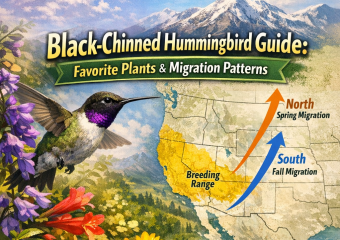
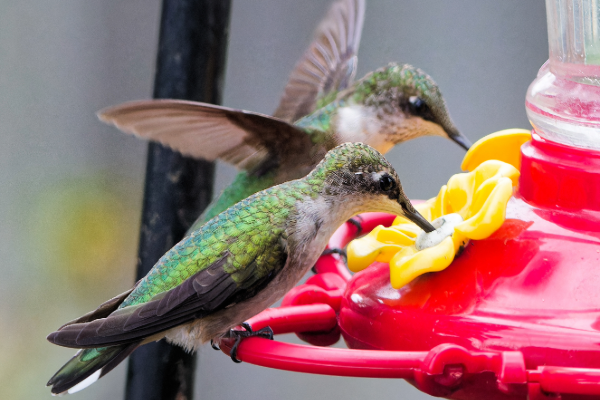
Nebraska is predominantly visited by the Ruby-throated Hummingbird during the migrating months. As the only species of hummingbird that nests east of the Great Plains, the Ruby-throated Hummingbird is frequently spotted from late April through September as it moves north from its wintering grounds in Central America.

Another less commonly seen visitor is the Rufous Hummingbird. Known for its remarkable long-distance flight abilities, the Rufous typically appears in Nebraska as it travels the Pacific Coast for winter. Even though sightings are rare, they are a delightful surprise for bird enthusiasts in the state.
Nesting Habits of Hummingbirds in Nebraska
Are these jeweled fliers just passing through, or do they actually nest in Nebraska? The Ruby-throated Hummingbirds, in particular, are known to nest throughout the state. They generally begin their nesting process in late spring or early summer. Female Ruby-throated Hummingbirds build tiny, cup-shaped nests using spider silk and plant materials, which they attach to tree branches. These nests are astonishingly small, often compared to the size of a walnut.
Rufous Hummingbirds, on the other hand, are mostly transient visitors during their migration periods and do not typically nest in Nebraska. They pass through swiftly and are less likely to be observed building nests in the area.
Hummingbirds’ Favorite Plants in Nebraska
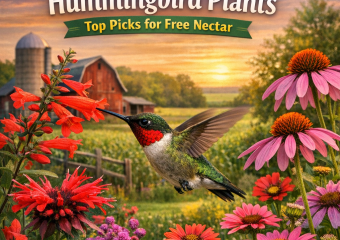
Hummingbirds have a particular fondness for areas rich in flowers that provide nectar. In Nebraska, there are certain plants that tend to attract hummingbirds more than others. One of their favorites is the vibrant red Cardinal Flower (Lobelia cardinalis). This plant not only adds a splash of color to gardens but also serves as a significant nectar source for Ruby-throated Hummingbirds. Its tubular flowers are perfectly shaped to accommodate the long beaks of hummingbirds, making it an ideal feeding spot.
Another plant that is highly favored among these birds is the Trumpet Vine (Campsis radicans), known for its trumpet-shaped flowers that produce abundant nectar. This vigorous grower can often be seen adorned with hummingbirds fluttering around its bright orange to red blooms. Additionally, wild bergamot or bee balm (Monarda fistulosa) is also attractive to hummingbirds in Nebraska, offering both a food source and a vibrant addition to the local landscape.
Supporting Hummingbirds in Nebraska
For those interested in observing these fascinating creatures or helping them thrive in their natural habitat, creating a hummingbird-friendly environment is key. Planting native flowering plants that provide nectar throughout the spring and summer can help support the needs of migrating and nesting hummingbirds. Furthermore, maintaining a hummingbird feeder filled with a sugar-water solution can supplement their diet, especially during periods when floral nectar is scarce.
In conclusion, while Nebraska might not be renowned for its hummingbird population, the state indeed plays a crucial role in the lifecycle of these birds, particularly the Ruby-throated Hummingbirds. By understanding the types of hummingbirds that visit, recognizing their nesting patterns, and providing their favorite plants, Nebraskans can continue to enjoy the presence of these remarkable birds and contribute to their conservation. Whether you’re a seasoned bird watcher or a casual nature observer, the sight of a hummingbird hovering over a bloom in Nebraska is truly a sight to behold.