Broad-Tailed Hummingbird Guide: Habitat, Appearance, and Behaviors
Discover the Broad-tailed Hummingbird: Nature’s Vibrant Voyager
The broad-tailed hummingbird, a small yet striking bird, captivates bird watchers with its vivid colors and dynamic lifestyle. This blog post delves into the appearance, migratory patterns, nesting habits, and preferred plants of the broad-tailed hummingbird, providing enthusiasts and nature lovers alike with a comprehensive look at this delightful species.
Appearance
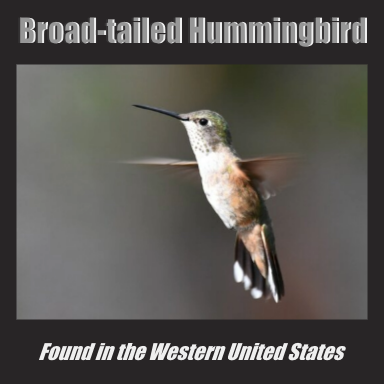
The broad-tailed hummingbird, scientifically known as Selasphorus platycercus, is notable for its iridescent plumage and unique physical features. Adult males flaunt a brilliant throat patch known as a gorget, which shimmers with a deep magenta hue when it catches the light. They have a green back and a white chest, punctuated with a green-flanked underbelly. Females, although less colorful, carry their own charm with a muted green upper and a pale spotted throat.
Migration Patterns
Winter Habitats
During the winter months, the broad-tailed hummingbird makes its way to the warmer terrains of Central Mexico. The moderate climate and abundant food sources available in this region provide the ideal conditions for these birds to thrive during the colder months of the year.

Summer Migration
As spring sets in, the broad-tailed hummingbird embarks on an impressive journey north to the mountainous regions of the Western United States. States like Colorado, Utah, and Wyoming are popular summer habitats thanks to their abundance of nectar-rich flowers and mild summer temperatures. This migration not only highlights the bird’s endurance but its adaptability to different climates.
Nesting Habits
Nest Locations
Opting for the security of high altitudes, broad-tailed hummingbirds typically place their nests in the branches of coniferous or deciduous trees. These nests are often situated far above the ground, providing protection from various ground predators and harsh environmental elements.
Construction and Clutches
The construction of the nest is solely the female’s responsibility, demonstrating her remarkable ability to build a safe and comfortable environment for her future offspring. Using materials such as plant fibers, spider webs, and moss, the female crafts a compact yet sturdy nest. Throughout the breeding season, which spans from May to July, the female may produce between one and three clutches, each typically containing two eggs.
Parental Care
Once the chicks hatch, the responsibility of rearing and protecting them falls entirely on the female. From feeding the chicks with regurgitated nectar and small insects to defending the nest against intruders, the mother ensures the survival and health of her young until they are ready to take flight on their own.
Favorite Plants
Nectar Sources
The diet of the broad-tailed hummingbird heavily relies on nectar, and one of their most favored plants is the red columbine (Aquilegia formosa). This plant not only provides a rich source of nectar but also has the right structure to accommodate the feeding style of hummingbirds. Additionally, they are often seen visiting various species of penstemons and lupines, which are abundant in their summer range.
Understanding the broad-tailed hummingbird’s habits and preferences not only enhances our bird watching experience but also underscores the importance of conserving their habitats. By planting hummingbird-friendly flowers and supporting conservation efforts, we can help ensure that these magnificent birds thrive for generations to come.