Black-Chinned Hummingbird Guide: Favorite Plants and Migration Patterns
Understanding the Black-Chinned Hummingbird and Its Favorite Plants
The Black-Chinned Hummingbird, a vibrant gem often spotted in the western regions of North America, has captivated bird watchers and nature enthusiasts alike. As we delve into the life of this exquisite bird, we also explore its preferred plants and migratory patterns.
Quick Facts about the Black-Chinned Hummingbird
Before we dive into the specifics, here are a few quick tidbits about the Black-Chinned Hummingbird:
- Scientific Name: Archilochus alexandri
- Size: Typically 3.5 inches in length
- Weight: About 3-4 grams
- Appearance: Slender, predominantly green on the back and white underneath with a distinctive black chin, which males have along with a purple throat stripe.
Preferred Habitat and Regional Presence
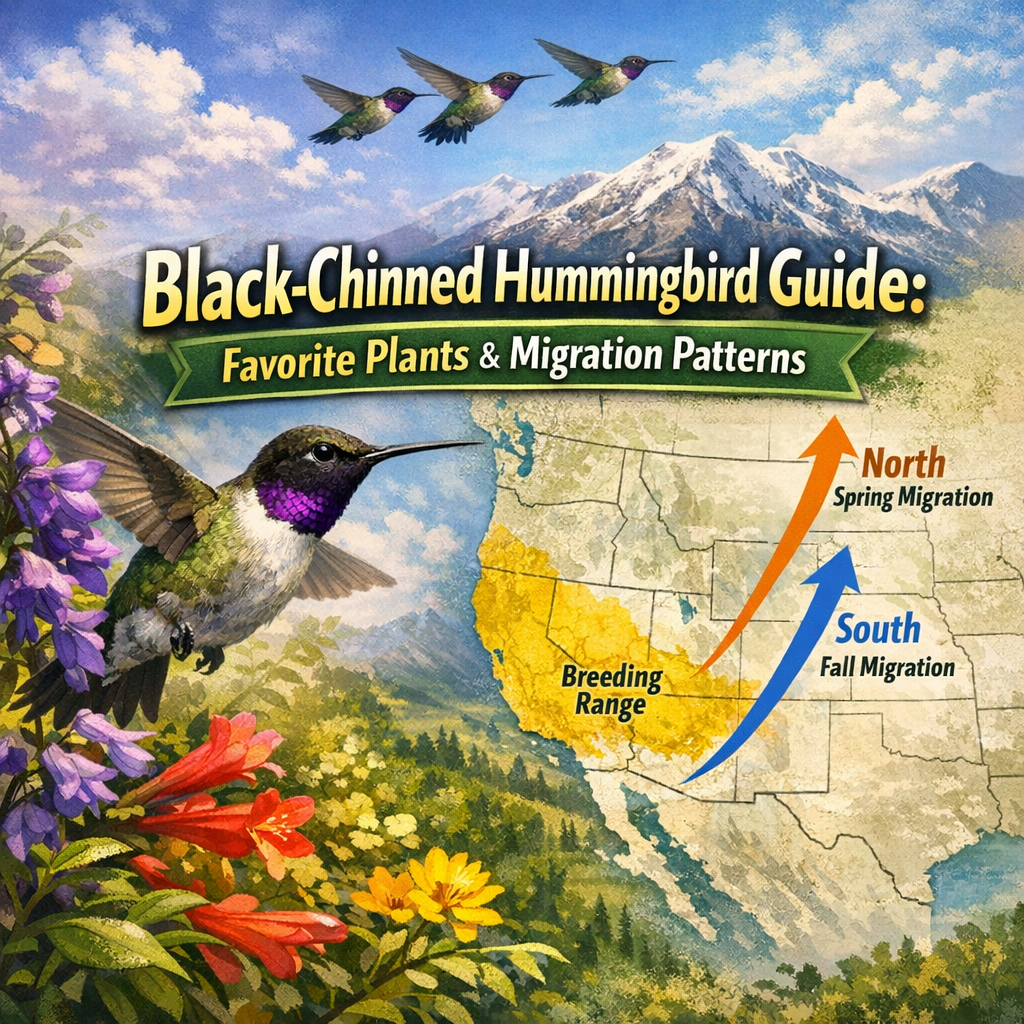
The Black-Chinned Hummingbird is primarily found in the western United States during the breeding season, including states like Texas, Nevada, and California. It prefers habitats ranging from lowland deserts to mountainous regions up to 2000 meters in elevation. They are adaptable birds but favor areas where they can readily access nectar.

Arrival from Central America
Migration Patterns:
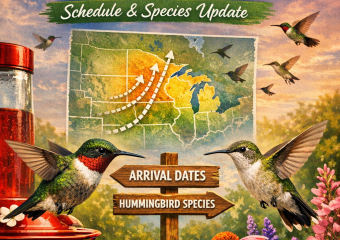
The Black-Chinned Hummingbird migrates to and from Central America, where it spends its winter. It typically starts its northward journey in February and arrives in the southern United States by early spring, around March. The timing of their return can slightly vary due to weather conditions and food availability.
Factors Influencing Migration:
- Climate: Milder winters and early springs can lead to early arrivals.
- Food Sources: Abundance or scarcity of nectar can accelerate or delay their journey.
The Black-Chinned Hummingbird’s Favorite Plant
When it comes to feeding, the Black-Chinned Hummingbird prefers various flowering plants; however, the agave plant stands out as a particular favorite. This preference is largely due to the plant’s structure and the ample nectar it provides, which is crucial for the bird’s high metabolism.
Why Agave?
- High Nectar Production: Agave is a nectar-rich plant, perfect for the high energy needs of hummingbirds.
- Long Blooming Period: Agaves have a prolonged blooming period which provides a reliable food source.
- Accessible Flowers: The architecture of the agave flower allows easy access for hummingbirds, which have evolved to feed from tubular flowers.
Other Favorite Plants:
- Red Yucca (Hesperaloe parviflora)
- Salvia (Sage)
- Penstemon
Planting for Black-Chinned Hummingbirds
If you’re interested in attracting Black-Chinned Hummingbirds to your garden, consider planting some of their preferred plants. Creating a diverse garden filled with nectar-rich plants can provide these birds with the energy they need during their long migrations. Here are a few tips:
- Choose Nectar-Rich Plants: Focus on tubular and colorful flowers.
- Provide Water: Install a bird bath or a misting fountain as they seek water for drinking and bathing.
- Avoid Pesticides: Chemicals can harm hummingbirds and their food sources.
Conservation Status and Efforts
Currently, the Black-Chinned Hummingbird is not on the endangered list, but like all wildlife, it faces threats from habitat loss and climate change. Conservation efforts are essential in preserving the natural habitats of these birds both in their breeding and wintering grounds.
Conclusion
The Black-Chinned Hummingbird, with its distinctive appearance and fascinating behaviors, is a spectacular sight for any bird enthusiast. By understanding their preferences and migratory habits, we can better appreciate these incredible birds and contribute to their conservation. Whether through planting suitable flowers or supporting habitat conservation efforts, small steps can make a big difference in the lives of these tiny, energetic flyers.