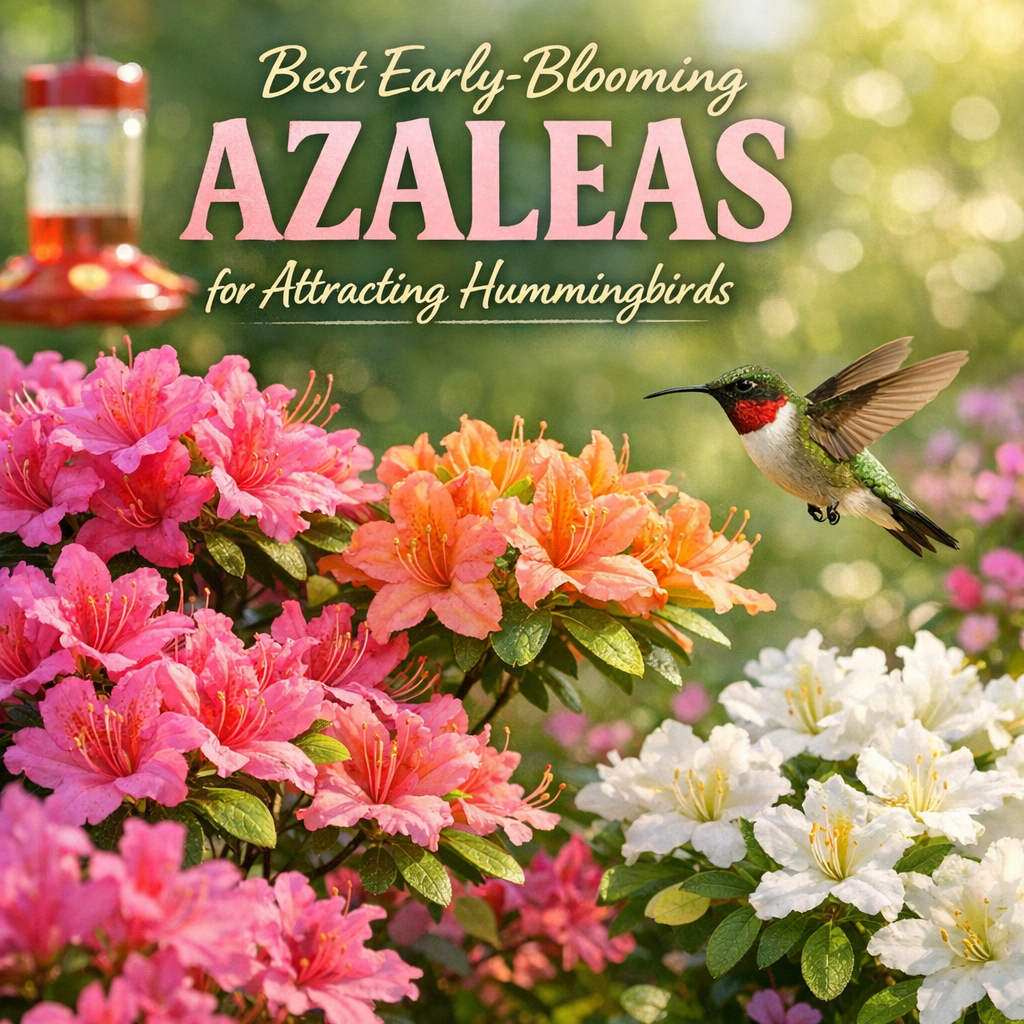
Best Early-Blooming Azaleas for Attracting Hummingbirds
Attracting Hummingbirds Early in the Season: Is There an Azalea Worth Buying?
Gardening for wildlife, especially for enchanting creatures like hummingbirds, can be a gratifying endeavor. While azaleas are typically not renowned for their hummingbird-friendly nectar, their early-season blooms do raise an interesting question: are there specific azalea varieties that could provide an early feast for these tiny birds? Understanding which plants can attract and benefit hummingbirds right from the start of the season adds an exciting dimension to garden planning.
Understanding Hummingbird Preferences
Before delving into azaleas, it’s essential to grasp what makes a plant attractive to hummingbirds. These vibrant birds primarily look for rich sources of nectar. Their favorites usually involve tubular flowers rich in high-energy, sweet nectar. Color also plays a significant role, with red, orange, and bright pink flowers generally being the most appealing. However, nectar production, sugar concentration, and accessibility of the nectar are crucial factors.
Are Azaleas a Good Choice for Hummingbirds?
Typically, azaleas (Rhododendron spp.) are not known for their nectar production. These plants often rely more on their visual appeal to attract pollinators like bees and butterflies that are more suited to their flower structure. However, this doesn’t mean all azaleas lack qualities that can benefit hummingbirds.

Early Blooming Azaleas
One strong point in favor of azaleas is their blooming time. Many species start to flower early in the spring, providing a source of food when few other plants are blooming. If you’re looking to support hummingbirds at this time of year, consider planting early-blooming azalea varieties. While they might not be the ultimate source of nectar, they can furnish interim sustenance until more preferred plants bloom.
Recommended Azalea Varieties
- Rhododendron canadense – Known as the Rhodora, this azalea famously blooms in vibrant pink, which can attract early-visiting hummingbirds.
- Rhododendron prinophyllum – The rosy pink flowers of this azalea emit a clove-like scent, potentially drawing initial attention from curious hummingbirds.
Suggested Companion Plants
To create a more effective hummingbird garden with azaleas, integrate them with other nectar-rich plants that bloom simultaneously or shortly after. This strategy ensures a continuous supply of food. Here are a few plants to consider pairing with your azaleas:
- Columbine (Aquilegia spp.) – These have tubular flowers and start blooming in the spring.
- Foxglove (Digitalis spp.) – Available in various colors, they attract hummingbirds with their bell-shaped flowers.
- Lupine (Lupinus spp.) – Adds a splash of color and essential nectar to your early garden.
Planting Tips for Hummingbird-Friendly Gardens
Creating a habitat that welcomes hummingbirds involves more than just selecting the right plants. Consider the following tips to enhance your gardening efforts:
- Plant in Groups: Large, grouped plantings of the same species are more likely to catch the eye of a hummingbird than solitary plants.
- Provide Water: A shallow water source can be very attractive to hummingbirds for both drinking and bathing.
- Avoid Pesticides: Chemicals can be harmful to hummingbirds and their food sources. Opt for natural pest control methods to keep your garden safe and appealing to these birds.
Conclusion
While most azaleas may not be the top choice for hummingbird nectar, there are reasons to include them in a bird-friendly garden, especially for their early blooming characteristics. By incorporating varieties like Rhododendron canadense and Rhododendron prinophyllum, and pairing them with other nectar-rich plants, your garden can become a welcoming spot for hummingbirds right from the start of the season. Happy planting, and may your garden buzz with the joyous activity of hummingbirds!