Can Hummingbirds Get Drunk? Causes and Prevention Tips
Understanding Hummingbird Intoxication: Causes and Prevention
Hummingbirds, those small, vibrant birds that dazzle with their aerobatics, are a mesmerizing sight at nectar feeders and flower gardens. While it’s charming to watch them, there’s an intriguing but serious issue that’s less commonly known: hummingbird intoxication. Let’s delve into how this occurs and explore ways to prevent these delicate creatures from harm.
How do Hummingbirds Get “Drunk”?
Fermented Nectar
The primary way hummingbirds can become intoxicated is through ingesting fermented nectar. This can occur in two scenarios:
-
Natural Fermentation in Flowers: In the wild, the nectar inside flowers can ferment naturally due to yeast from the environment. This is less common but can happen, especially in very warm and humid conditions.
-
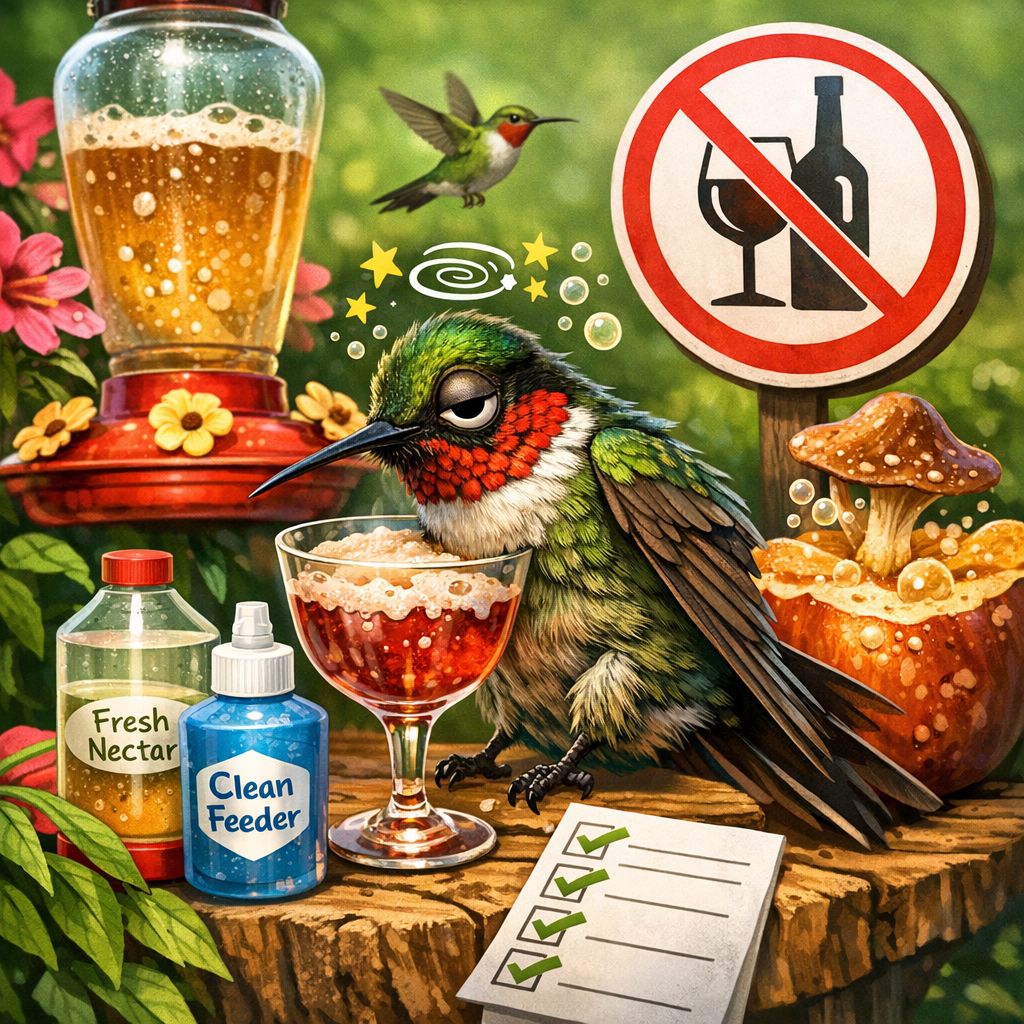
Fermentation in Feeders: More frequently, fermentation happens in hummingbird feeders. When sugar water is left out in the sun, it can ferment relatively quickly, turning the sugar into alcohol.
Alcohol in Insects
Sometimes, hummingbirds may also ingest small amounts of alcohol by eating insects that have consumed fermented sap or fruit. Though this is a rarer occurrence, it’s another potential source of intoxication.

The Consequences of Intoxication
When hummingbirds ingest fermented nectar, they can exhibit signs of intoxication similar to those seen in humans. These include disorientation, difficulty flying, and increased vulnerability to predators. In severe cases, it can be fatal due to accidents or inability to escape threats.
How to Prevent Hummingbird Intoxication
To ensure the safety and health of these remarkable birds, following these guidelines can be of great help:
Regular Cleaning and Maintenance of Feeders
- Clean Regularly: Clean hummingbird feeders at least once a week with hot water and a mild detergent, more often in hot weather.
- Rinse Thoroughly: Ensure all soap is thoroughly rinsed off as it can be harmful to birds.
Proper Sugar Water Preparation
- Correct Ratio: Mix one part white sugar to four parts water. Avoid using honey or artificial sweeteners as they can promote bacterial growth or be toxic to hummingbirds.
- Boil Water: Boil the water before adding sugar to help inhibit the growth of yeast and bacteria.
- Change Frequently: Replace the sugar water every two to three days to prevent fermentation, more often in very hot weather.
Shade Your Feeders
- Install in Shade: Place hummingbird feeders in shaded areas to slow down the fermentation process caused by heat.
- Monitor Sun Exposure: As the seasons change, consider the movement of the sun and adjust the location accordingly.
Use Natural Flowers
- Plant Natural Sources: Planting flowers that are naturally attractive to hummingbirds can provide them with a safer source of nectar.
- Prefer Native Species: Native plants tend to be well-suited to local bird species and are less likely to contribute to unexpected issues.
Observe and Act
- Watch Behavior: Keep an eye on the hummingbirds. If you notice any signs of disorientation or struggle, it might be a sign that the feeder contents are compromised.
- Take Immediate Action: If you suspect the nectar has fermented, replace it immediately with a fresh batch.
In Conclusion
Hummingbird feeders are a wonderful way to attract these fascinating birds to your yard and provide them with a vital resource. However, the responsibility of maintaining these feeders is crucial to prevent the unintentional intoxication of these delicate creatures. By following proper feeder management practices, you can enjoy the beauty of hummingbirds without compromising their health and safety.