Early Spring Bloom of Lenten Rose: Benefits for Hummingbird Food
Early Spring Bloom of the “Lenten Rose”: A Surprising Benefit for Hummingbirds
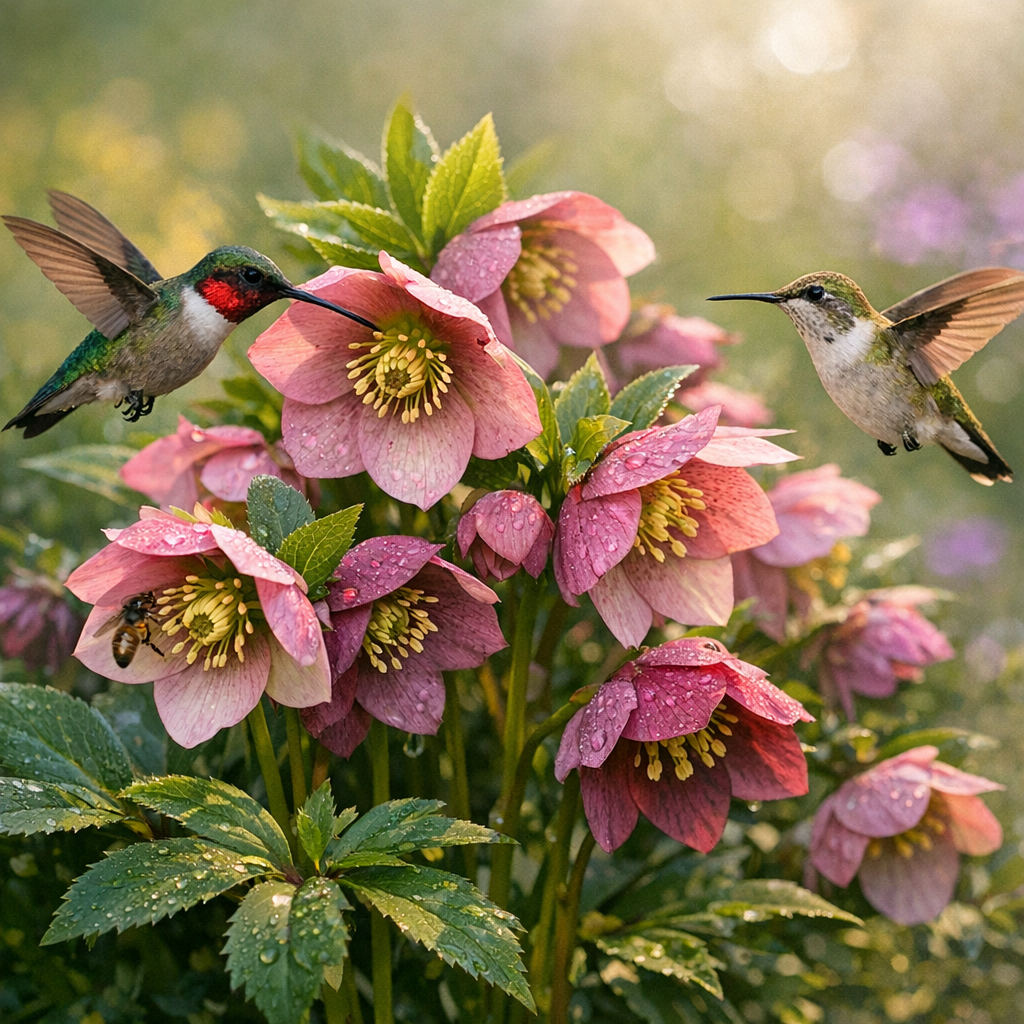
The “Lenten Rose”, scientifically known as Helleborus orientalis, is not actually a rose but a perennial plant that belongs to the buttercup family. One of its most notable features is its ability to bloom early in the spring, often when snow is still on the ground. This characteristic has raised questions about its ecological benefits, particularly its role in supporting early-season wildlife like hummingbirds. In this blog post, we explore whether the early spring bloom of the Lenten Rose has any positive effects as a food source for hummingbirds.
Understanding the Hummingbird’s Diet
Hummingbirds are known for their incredible energy needs, which they meet by consuming nectar from flowers. They are attracted to brightly colored flowers that are rich in nectar. In early spring, food sources can be scarce as many plants have not yet bloomed, making the early blooming species particularly important.
Primary Foods:
- Nectar: Provides quick energy and is the main dietary component.
- Insects and spiders: Provide protein and other nutrients.
The Lenten Rose: An Early Bloomer
The Lenten Rose is one of the first plants to bloom as winter wanes, often pushing flowers up through the snow. The flowers vary in color—typically shades of purple, pink, white, and green—and last for a significant period, from late winter through mid-spring.

Key Features:
- Bloom Time: Late winter to early spring.
- Color Variants: Purple, pink, white, green.
- Duration: Flowers persist through early spring.
Does the Lenten Rose Benefit Hummingbirds?
To determine whether the Lenten Rose is beneficial to hummingbirds, we must consider several factors:
- Nectar Production: The Lenten Rose produces a moderate amount of nectar compared to typical hummingbird favorites like columbines or trumpet vines.
- Flower Shape and Size: The flower’s shape is not ideally suited for the long beaks of hummingbirds, as they are more bowl-shaped and can be less accessible.
Despite these limitations, the Lenten Rose does provide some key advantages:
Advantages for Hummingbirds:
- Early Availability: As one of the first flowers to bloom, it provides an early nectar source when few other flowers are available.
- Longevity of Flowers: The blooms last long, offering a consistent food source over several weeks.
Alternative Early Blooming Plants for Hummingbirds
While the Lenten Rose offers some benefits, there are other early-blooming plants that are more ideally suited to meet the dietary needs of hummingbirds. Some of these include:
More Suitable Options:
- Crocuses: Bloom very early and are accessible to hummingbirds.
- Daffodils: Although not all species are attractive to hummingbirds, some do offer nectar.
- Columbines: Bloom in late spring but can overlap with early blooms.
Cultivating a Hummingbird-Friendly Garden
For those looking to attract hummingbirds early in the season, consider planting a variety of flowers that bloom at different times. Here are some tips to create a hummingbird-friendly environment:
Garden Tips:
- Diversity in Planting: Include plants that bloom sequentially throughout the season.
- Inclusion of Native Plants: Opt for native species that naturally attract local hummingbirds.
- Safe Habitats: Provide perches, water sources, and avoid pesticides.
Conclusion
While the Lenten Rose does bloom early enough to provide a vital nectar source when few other plants are flowering, its impact on hummingbirds as a significant food source is limited due to its nectar production and flower structure. However, its presence in a diverse garden that includes other early-blooming plants can help support hummingbirds at a critical time in their seasonal cycle. By planning a garden with variety and considering the needs of local wildlife, gardeners can play an important part in supporting these remarkable birds during the challenging early spring period.