Is It Normal for Birds to Have Different Migration Paths North and South?
Understanding the Unique Migration Paths of the Ruby-Throated Hummingbird
The migration patterns of birds are a fascinating study in the adaptability and instincts of wildlife. Specifically, the ruby-throated hummingbird exhibits a unique migration behavior, where it adopts different routes when traveling north and south. This post delves into this phenomenon, exploring why these tiny birds might choose such a strategy and what factors influence their path.
The Northward Journey: Following the Eastern Routes
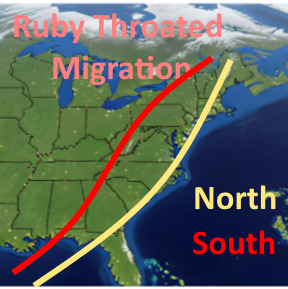
Each spring, the ruby-throated hummingbird embarks on a northward migration that surprisingly aligns somewhat with human-made structures like Interstate 95 (I-95). This major highway runs along the east coast of the United States, closely paralleling the typical flight path these birds take towards their breeding grounds.
Why the Eastern Flyway?
- Abundant Resources: The eastern side of the U.S, especially during spring, is rich in nectar-filled flowers, which are crucial for the energy-intensive journey ahead.
- Milder Weather Conditions: The east coast generally experiences a more temperate climate during the spring migration period, offering a more conducive environment for travel.
- Navigation Cues: Birds often use natural landforms and possibly could be aligning with the coastline, which might just coincidentally run alongside I-95.
The alignment of their northward path with such a conspicuous human landmark may not be intentional but is rather a natural consequence of the geographical and environmental factors that guide their journey.

The Southward Return: Shifting Westward
Interestingly, when it comes time to return south for the winter, these hummingbirds don’t simply retrace their steps. Instead, their route shifts to the west, resembling a pathway down Interstate 85 (I-85), which cuts through Georgia, west of Atlanta.
Factors Influencing the Western Swing
- Different Challenges and Needs: By the end of the breeding season, the availability of food sources like flowers may have shifted. The birds adapt by finding a route with optimal resources.
- Weather and Wind Patterns: Seasonal changes in wind direction can affect migration paths. Birds often use tailwinds to aid their long journey, and these might be more favorable slightly further inland during the fall.
- Predatory Avoidance: Changing routes can also help avoid predators that might have learned to anticipate the hummingbirds’ pathways.
Is This Route Switch Normal for Migrating Birds?
Ruby-throated hummingbirds are not alone in altering their migration paths seasonally; many bird species adopt different routes in spring and fall. This behavior can be attributed primarily to environmental changes and survival strategies. Birds constantly adapt to maximize resource use and minimize energy consumption and risk.
Examples of Other Species with Varied Migration Paths:
- Broad-winged Hawks: These birds also follow a more inland route during their return migration to South America.
- Wilson’s Warblers: They tend to migrate north along the coast and return south through the central United States.
Conclusion: A Strategy for Survival
The fascinating migration habits of the ruby-throated hummingbird provide a glimpse into the complex decision-making processes driven by nature’s rhythms and challenges. By alternating their migration routes, these birds effectively navigate the dynamic conditions of their environment, showcasing the intricacies and wonders of avian migration. Whether influenced by geographic landmarks, weather patterns, or food availability, each factor plays a crucial role in the survival and success of their journey across continents.
Understanding these patterns not only satisfies curiosity but also helps in the conservation efforts to protect these magnificent creatures and their habitats throughout their annual journeys.