Wild Bird Stores vs. Traditional Guides: Hummingbird Nectar Ratios Explained
Understanding Hummingbird Nectar Ratios: 1:3 vs. 1:4
Hummingbirds, those mesmerizing little creatures that flutter almost magically in the air, have a huge fan following. Many enthusiasts strive to attract more of these beautiful birds with specially made nectar. Recently, there has been some debate over the ideal sugar-to-water ratio for homemade hummingbird nectar. While most resources recommend a 1:4 ratio, some wild bird stores have been suggesting a 1:3 ratio. Let’s dive into why these recommendations differ and what might be best for the hummingbirds visiting your feeder.
The Traditional 1:4 Ratio
What It Is
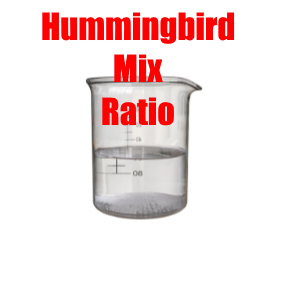
The commonly advised ratio for hummingbird nectar is one part sugar to four parts water. This mixture roughly mimics the average concentration of sugar found in the nectar of flowers that hummingbirds naturally feed on.
Benefits
- Safety: This dilution closely aligns with natural nectar and is widely regarded as safe for hummingbirds, helping to prevent potential health issues like liver and kidney damage.
- Hummingbird Health: It provides enough energy for the birds without being overly concentrated, which might impede nutrient absorption or lead to dehydration.
The Alternative 1:3 Ratio
What It Is
Some experts and wild bird supply stores suggest a slightly richer mixture of one part sugar to three parts water. This mix introduces more calories per sip for the hummingbirds.

Possible Reasons for the Recommendation
Energy Needs
During certain times of the year, such as cold weather or migration periods, hummingbirds require more energy. The higher sugar concentration provides additional calories needed to sustain their high metabolism.
Attractiveness
A sweeter solution might attract more birds as the heightened sweetness can be more appealing, temporarily increasing the popularity of a feeder.
Examining the Impact on Hummingbirds
Potential Risks
Using a 1:3 sugar-to-water ratio can pose several risks:
- Health Problems: Too concentrated a solution can lead to health issues such as fatty liver disease, which can be fatal.
- Hydration: More sugar means less water content per sip, potentially leading to dehydration, especially during hot and dry conditions.
Expert Opinions
Experts in avian health generally caution against deviating significantly from the natural sugar concentration of floral nectar. According to them, while the 1:3 ratio might provide short-term benefits, like increased energy intake, it could adversely affect the bird’s long-term health.
Best Practices for Homemade Hummingbird Nectar
Stick to the 1:4 Ratio
For everyday feeding, it’s best to stick with the 1:4 ratio to safely deliver a dietary staple similar to what hummingbirds would find in nature.
Cleanliness Matters
Regardless of the ratio you choose, ensuring the cleanliness of feeders is crucial as bacteria and mold can develop quickly in sugary solutions.
Regular Replacement
Replace nectar every few days, more often in hot weather, to keep it fresh and safe for bird consumption.
Observe and Adjust
Monitor the behavior and health of hummingbirds frequently visiting your feeders. If you notice less activity or signs of poor health, adjust your feeding practices accordingly.
Conclusion
While some may argue the benefits of a 1:3 sugar-to-water ratio in hummingbird nectar, the safer and more widely recommended method remains the 1:4 ratio. This concentration offers a balanced blend that is close to natural flower nectar and supports the health and well-being of these delightful birds. As bird enthusiasts, our primary goal should be to support our feathered friends by providing them not just what might attract them in the short term, but what ensures their health in the long term.