Is Tap Water Safe for Hummingbird Nectar? Exploring Alternatives
As the hummingbird season approaches, many enthusiasts are gearing up to welcome these vibrant birds into their gardens. A key component of attracting and sustaining hummingbirds is offering them nectar. While many may ponder over the safety of using tap water to make this nectar, it’s essential to understand the effects it can have on these delicate creatures. Let’s dive into whether tap water is a suitable option and what to look for if opting for bottled water instead.
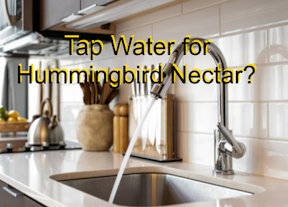
Tap Water for Hummingbird Nectar
Potential Issues with Tap Water
Tap water, while generally safe for human consumption, can sometimes contain levels of chlorine and fluoride added during municipal treatment processes. These chemicals are intended to make water safe for people but can potentially harm hummingbirds or alter the taste of their nectar. Additionally, tap water might contain higher mineral content—referred to as hard water—which can affect the quality and safety of hummingbird nectar.
Benefits of Using Tap Water
On the flip side, tap water is easily accessible and inexpensive. In many areas, the concentrations of chlorine and fluoride are low enough not to be harmful to wildlife. If your local water quality report indicates low levels of these chemicals, tap water should be safe for nectar preparation. If you suspect your chlorine level is high because you can smell it or for some other reason then, it’s crucial, to let tap water stand for at least 24 hours before using it, or boil it for around 20 minutes to get the chlorine to evaporate. T

Bottled Water as an Alternative
When to Choose Bottled Water
If you live in an area with particularly hard or heavily treated water, bottled water can be a safer option. Always select bottled water labeled as distilled or purified, as these types have undergone processes to remove minerals and impurities.
Things to Avoid in Bottled Water
Not all bottled waters are created equal. Avoid mineral water, which contains added minerals that could build up in the nectar solution, potentially harming the hummingbirds. Also, steer clear of flavored or vitamin-enhanced waters, as these can introduce harmful substances into the nectar.
Preparing the Perfect Hummingbird Nectar
Recipe for Hummingbird Nectar
Creating your hummingbird nectar at home is straightforward. Here’s a quick recipe:
- 4 parts water
- 1 part white granulated sugar
Mix the sugar and water until the sugar is completely dissolved. There is no need to boil the water if you use distilled or purified bottled water or have let your tap water sit to allow chlorine to evaporate.
Keep It Fresh
Change the nectar in feeders every few days, more often in hot weather, as the nectar can ferment or grow mold, which is harmful to hummingbirds.
Conclusion
Whether you choose tap or bottled water to prepare your hummingbird nectar, the key is ensuring the water is as pure and free of harmful chemicals as possible. By taking these precautions, you provide a safe and nutritious feeding option for the hummingbirds visiting your garden. Happy birding!
Remember, the joy of watching these fluttering visitors is unmatched, and ensuring their health is paramount to keeping them coming back season after season.