Why Hummingbirds Prefer Sugar Over Honey: Natural Preferences and Wildlife Impact
Understanding Hummingbirds’ Diet: Plain White Sugar vs. Honey
When it comes to feeding hummingbirds, the simplicity of plain white sugar often takes precedence, surprising many nature enthusiasts who consider honey a more “natural” choice. This comparison raises several pertinent questions about the dietary habits of these vibrant birds and the suitability of different sugars in their diet.
The Preference for Plain White Sugar
Safety and Health Concerns
The primary reason for recommending plain white sugar in hummingbird feeders over any other sugar, including honey, stems from its safety and the health benefits it offers to these tiny creatures. Sucrose, which is primarily found in plain white sugar, closely mimics the natural composition of nectar from flowers, which is the natural diet of hummingbirds.
- Risk of Fermentation: Honey, when diluted in water, tends to ferment rapidly. This fermentation process can promote the growth of bacteria and fungi, potentially harmful to hummingbirds.
- Nutritional Suitability: Plain white sugar, on the other hand, provides a clean, safe energy source, devoid of impurities that might harm the birds.
Ease of Digestion
Hummingbirds have evolved to efficiently digest and metabolize sucrose found in natural flower nectar. Substituting with plain white sugar offers a similar nutritional profile, ensuring the birds can utilize the feed without any digestive issues.

Why Not Honey?
Natural Does Not Always Mean Suitable
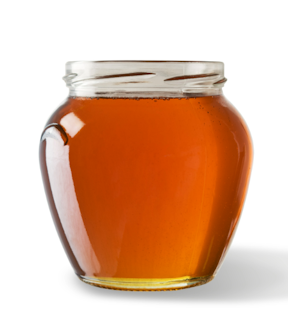
While it is true that honey is a natural product and rich in nutrients, it is not a natural part of a hummingbird’s diet. In the wild, hummingbirds are primarily attracted to floral nectars, not honey produced by bees.
- Potential Health Risks: Honey can contain spores and particles that can lead to diseases in hummingbirds. For instance, honey can carry botulism spores, which are particularly dangerous to birds if ingested.
Nutritional Imbalance
Honey is richer in fructose and glucose but lacks the proportionate sucrose that hummingbirds thrive on. The high fructose content, which is more difficult for hummingbirds to metabolize efficiently, can lead to health issues.
Do Hummingbirds Frequent Honey Sites in the Wild?
No, hummingbirds do not typically frequent honey sites in the wild. There are no natural scenarios wherein hummingbirds would find or consume honey. They are adapted to feed on nectar from flowers, which is very different in composition from bee-produced honey.
What Types of Animals Are Attracted to Honey?
While hummingbirds might not be drawn to honey, several other species of wildlife are known to seek out this sweet substance.
Types of Animals that Use Honey
- Bears: Perhaps the most well-known honey lovers, bears, particularly black and brown bears, go to great lengths to raid beehives.
- Badgers: These creatures are also known to attack beehives to consume honey and bee larvae.
- Birds: Certain species like the honeyguide bird in Africa are known to lead other animals to beehives. They do not eat the honey directly but feast on the remnants after larger animals break open the hives.
- Insects: Many insects, such as ants and wasps, are attracted to honey, which they consume for its high sugar content.
Conclusion
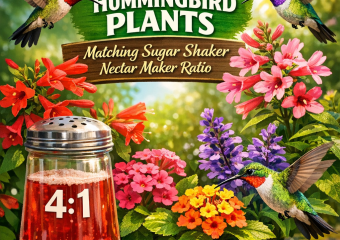
While honey might seem a natural and healthy choice for feeding hummingbirds, its usage is far from ideal and can even be harmful. Plain white sugar, by contrast, offers a safe, nutritious alternative that closely mimics what hummingbirds naturally find in flowers. When setting up a feeder, it is always best to stick with the food sources that these birds are biologically designed to handle to ensure their health and longevity. Keeping these feeders clean and using the correct sugar-to-water ratio (4:1) will provide a sanctuary for these delightful birds without inadvertently causing harm.