Sugars Unveiled: Best Guide to Safe Hummingbird Feeding
The Variety of Sugars in Our Diet and Their Effects on Hummingbirds
Sugars are a staple in human diets, offering not just sweetness but also serving as a significant source of energy. Yet, not all sugars are created equal, and each type can have varied effects and uses, especially when it comes to feeding wildlife, such as hummingbirds.
Understanding the Different Types of Sugars Humans Consume
Sugars come in several forms and are derived from various sources. The most common sugars consumed by humans include:
- Sucrose: Often referred to as table sugar, sucrose is extracted from sugarcane or sugar beet and is the most prevalent type of sugar used in cooking and baking.
- Fructose: Found in fruits, fructose is sweeter than sucrose and is often used in food processing as a sweetener.
- Glucose: Also known as dextrose, glucose is a simple sugar that is absorbed directly into the bloodstream and is vital for providing energy to the body.
- Lactose: This sugar is found in milk and dairy products and requires the enzyme lactase to be digested.
- Maltose: Maltose, or malt sugar, is produced during the fermentation process and is found in foods like beer and malt beverages.
Each of these sugars plays a role in human nutrition, but their chemical structures and how our bodies process them can drastically differ. This variance is crucial when considering the diet of a hummingbird.

Why Is Plain White Sugar Recommended for Hummingbirds?
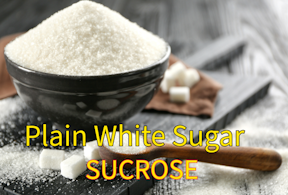
When it comes to feeding hummingbirds, the simplicity of plain white sugar—chemically known as sucrose—is essential. This preference is grounded not in culinary taste but in biological necessity. Sucrose closely mimics the natural composition of the nectar found in flowers, which is primarily sucrose, and is thus easily digestible by hummingbirds.
The Harm of Using Other Sugars Like Honey
While humans can digest various sugars thanks to our versatile digestive systems, hummingbirds are not equipped to handle sugars other than sucrose effectively. Using other types of sugars to feed hummingbirds can lead to serious health issues:
- Honey: It might seem natural to offer hummingbirds honey diluted in water, but this can be detrimental. Honey can ferment and produce harmful bacteria. Moreover, when diluted, honey can also spoil faster than sugar water, which increases the risk of exposing hummingbirds to dangerous pathogens.
- Raw or Organic Sugars: These sugars often contain levels of molasses and could have additional minerals and substances that are not typically found in the floral nectar hummingbirds are adapted to consume. Such compounds can potentially harm the tiny birds’ health.
- Artificial Sweeteners: It’s crucial to note that no artificial sweeteners should be used in place of sugar. These substances do not provide any caloric value, which hummingbirds need for energy. Consuming them could lead to starvation.
Best Practices for Feeding Hummingbirds
When preparing nectar for hummingbirds, it’s best to use a simple recipe: mix four parts boiled water to one part plain white sugar, let the solution cool, and then fill your feeders. This solution provides a safe alternative to natural nectar during times when flowers may not be available. Always avoid adding any dyes or colors as they are unnecessary and could be harmful.
Conclusion
While humans have the luxury of choosing from a variety of sugars according to taste and health considerations, hummingbirds do not share this flexibility. For these delicate creatures, the best support we can provide is mimicking their natural food sources as closely as possible. Plain white sugar offers a safe, healthy, and readily digestible option for hummingbird feeders, ensuring that these vibrant birds receive the energy they require without the risk posed by other sugars. In feeding hummingbirds, as in all wildlife interaction, our goal should be to do no harm, supporting these natural beauties in their survival and thriving.