Stunning Flame Acanthus: Best Desert Bloom
Understanding the 2nd Best Plant in West Texas: A Close Competitor to Flame Acanthus
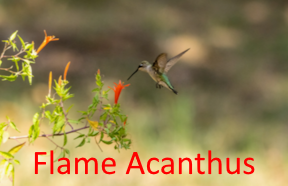
Flame Acanthus (Anisacanthus quadrifidus var. wrightii) is often heralded as a champion of desert gardening, due to its vibrant blooms and resilience in arid climates. But what ranks just next to this well-admired species? In the diverse environment of West Texas, Big Red Sage (Salvia penstemonoides) emerges as a formidable contender. This article explores how Big Red Sage stands up against the beloved Flame Acanthus and why it might be a perfect addition to your desert garden.
Characteristics of Big Red Sage
Big Red Sage, native to the Texas region, is renowned for its striking red flowers that attract hummingbirds and butterflies throughout the summer months. It grows up to 2 to 3 feet tall and wide, making it slightly more robust in size compared to the Flame Acanthus. The plant thrives in the rocky, well-draining soils typical of West Texas and is incredibly drought tolerant once established.
One of the significant advantages of Big Red Sage over many other native plants is its lush, green foliage, which contrasts beautifully against its bright red blossoms. This provides a pop of color even before the flowers bloom, maintaining aesthetic appeal throughout the growing season.

Durability in the Desert Climate
When it comes to surviving and thriving in the harsh conditions of the desert, both Flame Acanthus and Big Red Sage exhibit exceptional qualities. However, Big Red Sage slightly edges out with its superior cold tolerance, making it a robust candidate for higher altitudes and northern parts of West Texas where temperatures can dip lower than the typical desert climate.
Moreover, Big Red Sage’s ability to rebound from environmental stresses like drought and harsh sunlight without significant maintenance makes it a top pick for gardeners and landscapers looking for reliable, low-care plants.
Big Red Sage vs. Flame Acanthus: Which is Better?
Determining which plant is better largely depends on the specific needs and preferences of the gardener or landscaper. Flame Acanthus is unbeaten in attracting wildlife, especially hummingbirds, due to its long blooming season that can last from early summer to the first frost. Its fiery red-orange flowers and ability to grow in various soils make it versatile and visually captivating.
Conversely, Big Red Sage offers a longer flowering season, sometimes extending into the fall, depending on the weather patterns each year. Its ability to adapt to slight shade also provides more landscaping options. While both plants are outstanding for xeriscaping due to their low water requirements, Big Red Sage might edge out for those looking for fewer maintenance commitments and richer foliage.
Ideal Placement and Care for Big Red Sage
For optimal growth, plant Big Red Sage in a part of your garden that receives full sun to partial shade. Although the plant is drought-tolerant, occasional watering during extremely dry spells can help keep the foliage vibrant and support flowering. Regular pruning after the first flowering peak can encourage a second bloom, extending the visual enjoyment right into the fall.
Soil preparation should involve integrating some compost or other organic matter to facilitate proper drainage, crucial in preventing root rot in desert climates. While Big Red Sage is less prone to pests and diseases, keeping debris clear and providing space between plants can help ensure they remain healthy.
Conclusion
While the Flame Acanthus certainly deserves its accolades for being a spectacular plant in West Texas gardens, Big Red Sage stands out as the second-best option with its unique attributes. Its versatility, ease of maintenance, and stunning visual appeal make it an excellent choice for anyone looking to enhance their desert landscape. Whether you favor the bold colors of Flame Acanthus or the resilient beauty of Big Red Sage, both plants can coexist beautifully, offering multiple seasons of enjoyment and a vibrant ecosystem for local wildlife. Choosing between them comes down to personal preference and specific garden conditions, but you can’t go wrong with either of these stellar performers in a West Texas garden.