
Discover the Best Hummingbird Plant for West Texas!
“West Texas Marvel: The Native Plant That Charms Hummingbirds”
Focus Keyword: Native Plant in West Texas
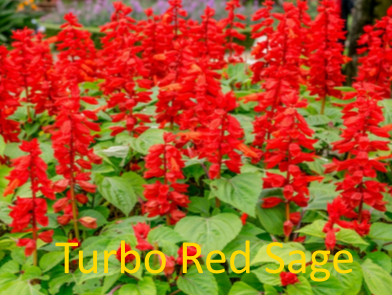
Native plant in West Texas, Turbo Red Sage (Salvia penstemonoides), stands out as a marvel of the region’s flora. Not only does it capture the aesthetic essence of the local landscape, but it also serves as a crucial pit stop for the vibrant hummingbirds fluttering around this area. This plant is not just a visual treat; its ease of cultivation and resilience make it a favorite among gardeners and nature enthusiasts alike.

Discovering Turbo Red Sage
Turbo Red Sage, also known as Big Red Sage, is native to the rocky outcroppings and rugged terrains of West Texas. This perennial plant is distinguished by its tall, red blooms which appear from June to September, providing a long-lasting splash of color to any garden. The tubular structure of the flowers is particularly appealing to hummingbirds, who depend on the nectar as a vital food source during their migration periods.
Is Turbo Red Sage Easy to Plant and Maintain?
Gardeners will find Turbo Red Sage (Salvia pentstemonoides) exceptionally easy to integrate into their landscapes. It is a hardy plant that can thrive in a variety of soil types, although it prefers well-drained soils. When planting Turbo Red Sage, choose a location that receives full sun to partial shade. This native Texan is not only beautiful but also well adapted to the harsh conditions of its home region, making it a low-maintenance option for gardeners.
Once established, Turbo Red Sage requires minimal care. It is drought-tolerant, reflecting the typical conditions of its native West Texas environment. This characteristic makes it an ideal candidate for xeriscaping and sustainable gardening practices that seek to reduce water usage. Regular pruning after the blooming season can help maintain its shape and promote healthier growth in the following seasons.
Water Requirements of Turbo Red Sage
In terms of hydration, Turbo Red Sage does not demand a lot. Its natural habitat has conditioned it to survive with infrequent rainfall. For gardeners, this means watering it only during prolonged dry spells or when the plant shows signs of distress. Overwatering can lead to root rot, which is one of the few issues this robust plant might face. Allowing the soil to dry between watering sessions is a good practice to ensure the plant’s health.
Suitable USDA Growing Zones for Turbo Red Sage
When considering incorporating Turbo Red Sage into your garden, it is important to note its compatibility with your local growing zone. Turbo Red Sage is best suited for USDA growing zones 7 through 9. This range covers much of West Texas, making it an excellent fit for both private gardens and larger landscapes in the region.
It thrives in the fluctuating temperatures of these zones, enduring the hot summers with grace while requiring very little protection during the milder winters. Gardeners outside these zones can still enjoy Turbo Red Sage with a bit more attention during extreme weather conditions or by growing it in containers that can be moved indoors during harsh winters.
Conclusion
Turbo Red Sage stands as a symbol of resilience and beauty in West Texas. Its ease of maintenance, coupled with its vibrant appeal to hummingbirds, makes it a charismatic addition to any garden. Whether you are a seasoned gardener or a novice looking to bring a piece of West Texas’ natural beauty into your outdoor space, Turbo Red Sage is an excellent choice that promises to enrich your environment and attract delightful hummingbirds to your garden. By choosing this native and water-wise plant, you’re not only enhancing your garden’s aesthetic but also contributing to the conservation of local wildlife habitat and the broader ecosystem.