Hummingbird Health Alert: Prevent Deadly Feeder Diseases
Introduction to Risks at Bird Feeders
Dirty bird feeders can become hotspots for various diseases, posing significant health risks to birds. Regular maintenance and an understanding of potential ailments are crucial for bird enthusiasts striving to provide a safe feeding environment. Among the diseases linked to neglected feeders, candidiasis stands out as a common issue, particularly among certain bird species like hummingbirds.
Common Diseases from Unsanitary Bird Feeders
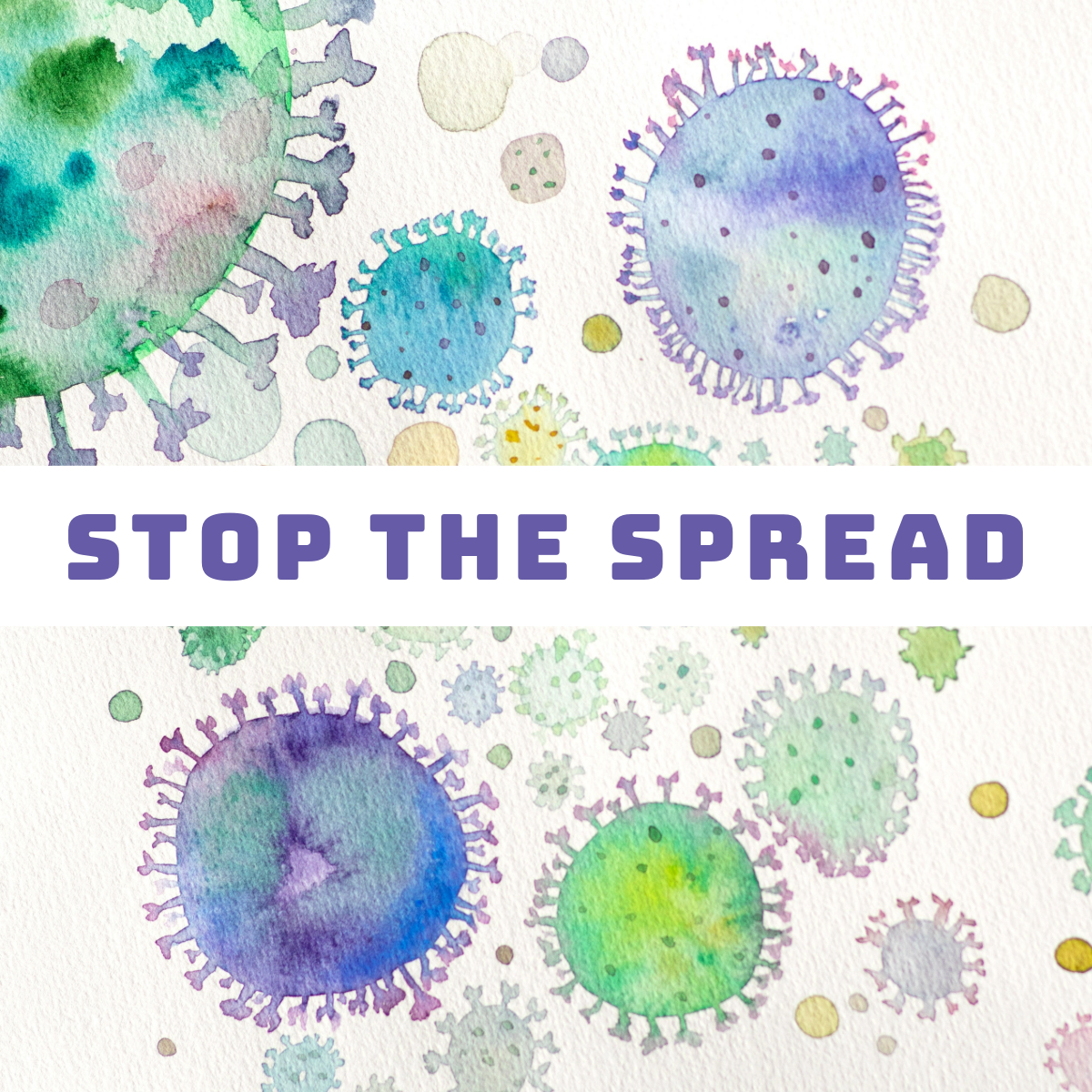
Bird feeders that are not regularly cleaned and disinfected can harbor pathogens responsible for several diseases. Fungal infections, bacterial growth, and the spread of viruses can quickly turn a beneficial feeding station into a dangerous one. Here are a few common illnesses that can arise from a dirty feeder:
- Salmonellosis: This bacterial infection is caused by Salmonella spores, which can flourish in the stagnant water and leftover food found in dirty feeders. Birds infected with salmonellosis may appear weak, have labored breathing, and exhibit fluffed-up feathers.
- Trichomoniasis: Often referred to as “trich,” this disease is caused by a protozoan parasite that infects the bird’s throat and upper digestive tract, forming lesions that can obstruct swallowing.
- Aspergillosis: This respiratory disease is caused by inhaling spores from the genus Aspergillus, a common fungus that can accumulate in damp feed and debris.
Understanding Candidiasis in Birds
Candidiasis is a particular concern at bird feeders, especially those frequented by hummingbirds. This fungal infection is caused by Candida yeast and primarily affects the bird’s beak and oral cavity, leading to difficulties in feeding and potential starvation. Signs of candidiasis include white plaques in the mouth, a crusty beak, and general malaise. If the feeders are not properly sanitized, the yeast can proliferate, increasing infection rates among visiting birds.

Hummingbirds and Disease Transmission
Hummingbirds, known for their rapid wing flapping and affinity for nectar, are especially vulnerable to diseases spread via unsanitary feeding conditions. While these birds can transmit ailments to each other through shared feeding sites, it’s less common for them to spread diseases to other bird species or be significantly affected by insects in this context. Rather, the main concern is the transmission of diseases such as candidiasis through contaminated nectar feeders.
Disease Transmission and Pollination by Birds
While birds play a vital role in pollination, there is minimal evidence to suggest a significant transmission of diseases through this process. Pollinators typically contact only the non-essential parts of flowers, such as petals and nectar, reducing the risk of transmitting diseases that could impact plant health. However, maintaining general bird health is crucial as healthier birds contribute more effectively to ecosystem balance, including pollination.
Best Practices for Maintaining Healthy Bird Feeders
Preventing disease transmission at bird feeders involves several practical steps:
- Regular Cleaning: Clean bird feeders with a solution of one part bleach to nine parts water approximately every two weeks, more often during times of heavy use.
- Roster Rotation: Rotating between multiple feeders can prevent overuse and contamination buildup.
- Proper Placement: Position feeders in areas that reduce contact with ground predators and minimize debris and waste accumulation.
- Fresh Feed Only: Ensure that only fresh food suitable for the specific types of birds visiting the feeder is provided.
- Monitor Bird Health: Keeping an eye on the visiting birds can help early identification of disease symptoms, thus preventing widespread transmission.
Conclusion
Maintaining a clean and safe environment for birds at feeders is essential to prevent the spread of diseases such as candidiasis. By understanding the risks associated with poor feeder hygiene and implementing practices that promote health, bird enthusiasts can enjoy the vibrant activity of their feathered friends without inadvertently contributing to their harm. Ultimately, the joy of bird feeding comes with the responsibility of safeguarding their health and well-being.