Hummingbirds Close Up: Must-Have Tips for Easy Nectar Feeding
How to Get Hummingbirds to Come Closer and Drink Nectar from Your Hand: A Step-by-Step Guide
If you are captivated by the delicate beauty of hummingbirds, you might be wondering how to get hummingbirds to come closer to you, even to the point of drinking nectar right from your hand. These tiny, fast-moving birds are known for their dazzling colors and rapid wing beats, making close encounters feel truly magical. While hummingbirds are naturally cautious around humans, with patience and the right approach, you can encourage them to approach more closely without causing them stress. Here’s a detailed, step-by-step guide to help you foster those intimate, mesmerizing moments.
Step 1: Create a Hummingbird-Friendly Environment
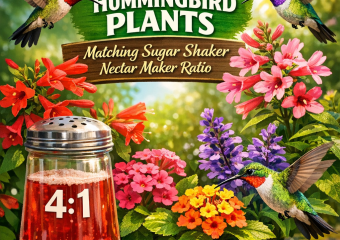
The first step in attracting hummingbirds closer is to provide an environment that meets their needs. Plant bright, tubular flowers such as trumpet vine, bee balm, salvia, or cardinal flower, which naturally attract hummingbirds with their red, orange, or pink hues and rich nectar.
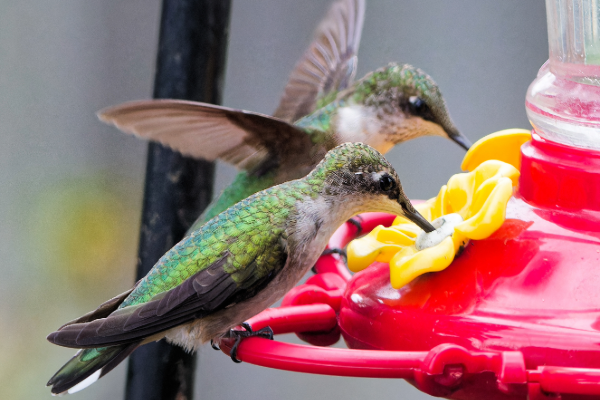
In addition to flowers, set up hummingbird feeders filled with the correct nectar mixture (four parts water to one part white granulated sugar). Make sure to clean feeders regularly—at least once a week during warm weather—to prevent mold and bacteria that can harm the birds. Position your feeders and flowers in a quiet, sheltered area away from high foot traffic to make hummingbirds feel safe.

Step 2: Use a Hand-Feeding Technique with Patience
One of the most effective ways to encourage hummingbirds to drink nectar from your hand is through gradual habituation. Start by sitting quietly near your hummingbird feeder, minimizing sudden movements and noise. Over several days, spend increasing amounts of time in the same spot, allowing the birds to get accustomed to your presence.
When the hummingbirds become comfortable feeding near you, try holding your hand still near the feeder. Extend your finger or palm with a small amount of nectar on it. Initially, they may only hover near your hand or briefly dart in and out. Be patient; quick or jerky movements can frighten them away.
Step 3: Attract Hummingbirds with Bright Colors
Since hummingbirds are attracted to bright colors, wearing red or bright pink clothing can help catch their interest. You might also place a small red ribbon or flower near your hand to mimic the colors of their favorite flowers. The bright colors will serve as visual cues, inviting the hummingbirds to investigate.
Avoid using scented lotions or perfumes that could deter the birds. Keep your hands clean and free from any strong odors to maintain a natural and inviting environment for the hummingbirds.
Step 4: Use Artificial Feeders for Practice
If you don’t have access to natural flowers or want to hasten the habituation process, using artificial feeders can be very helpful. Fill a well-maintained feeder with pure sugar water and place small droppers or shallow dishes with nectar on a safe platform, such as your hand or a table.
Start by allowing hummingbirds to feed from the fixed feeders first. Gradually transition them to sampling nectar from your hand or finger by holding it near the feeder and slowly adjusting your position closer as the birds grow more comfortable.
Step 5: Stay Calm and Still to Build Trust
One of the keys to getting hummingbirds closer is maintaining a calm demeanor. Sudden movements or loud noises can startle these tiny birds, making them reluctant to approach. When you sense a hummingbird is near, breathe slowly and avoid direct eye contact, as birds can interpret this as a threat.
If a hummingbird approaches your hand but then flies away, don’t be discouraged. With consistent patience, they will learn to trust your non-threatening presence. Reward their boldness by keeping nectar on your hand and sitting quietly during encounters.
Step 6: Time Your Encounters for Optimal Results
Hummingbirds are most active during early mornings and late afternoons. Plan your hand-feeding sessions during these times to maximize the chances of close approaches. The weather also plays a role —sheltered, slightly warm, and calm days are best for encouraging natural feeding behaviors.
Avoid attempting hand feeding during windy or rainy weather, as hummingbirds become more wary and less likely to take risks.
Final Tips for Enjoying Magical Face-to-Face Encounters
Getting hummingbirds to drink from your hand isn’t something that happens overnight; it requires consistent effort and respect for their natural behaviors. Always prioritize the bird’s safety and well-being. Never use honey or artificial sweeteners in your nectar mixtures, as these can be harmful to hummingbirds.
By combining a hummingbird-friendly environment with calm, patient interactions, you’ll soon find yourself experiencing those enchanting moments when the hum of tiny wings fills the air, and a hummingbird delicately sips nectar right from your hand. It’s a rewarding experience that deepens your connection to nature and the smallest wonders it offers.