Hummingbird Diet: Essential Guide to Best Feeding Practices
Hummingbird Diet: Understanding and Supporting Their Nutritional Needs
What Constitutes a Typical Diet for Hummingbirds?
Hummingbirds, those iridescent marvels that dart with such grace and speed, have dietary needs as unique as their flying capabilities. A typical hummingbird diet revolves primarily around nectar from flowers which provides these tiny birds with the high energy their fast metabolisms require. However, nectar alone isn’t sufficient for hummingbirds; they also consume small insects and spiders. These protein sources are crucial for muscle maintenance and development, especially during breeding season and for the growth of their young.

The composition of a hummingbird’s diet varies with its species and habitat environment. In regions where flowers are seasonal, hummingbirds might adapt by finding alternative sources of nectar and other nutrients. Some species are even known to frequent feeders that offer sugar solutions mimicking the consistency and sweetness of natural nectar.
How Can We Help Hummingbirds With Their Diet?
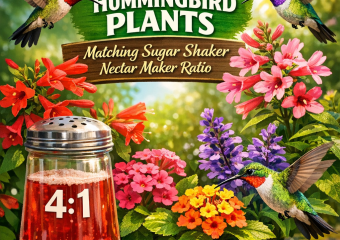
Contributing to the diet of hummingbirds can be both fulfilling and impactful, especially in urban areas where natural resources are limited. People can help these birds by setting up hummingbird feeders filled with a homemade sugar solution — a mix of four parts water to one part white sugar (without any artificial sweeteners or flavors, as these can be harmful to the birds). It’s important to be diligent about cleanliness, ensuring feeders are cleaned and refilled every few days to prevent the growth of harmful bacteria and mold.
Planting native flowers is another way to support hummingbirds. Flowers like zinnias, salvia, and honeysuckle not only provide nectar but are also visually appealing and can enhance your garden’s ecosystem. This approach supports the birds’ health more holistically, allowing them not only to feed but also to engage in natural behaviors like foraging and territorial defense.
What Do Hummingbirds Feed Their Young?
When it comes to nurturing their offspring, hummingbird parents take a slightly different approach in their feeding habits. The diet of hummingbird fledglings is richer in proteins, as young birds require these nutrients for growth. Mothers typically regurgitate a mixture of partially digested insects and nectar into the mouths of their chicks. This protein-rich diet supports the rapid growth the chicks need to mature to fledging age, which for many species, occurs just three weeks after hatching.
Are the Diets of Young Hummingbird Fledglings Different Than Those of Adults?
Indeed, the diets of fledgling hummingbirds differ notably from that of mature birds. While adults consume a balanced mix of nectar and insects, fledglings require a higher intake of protein. This dietary need is crucial for the first few weeks of life, preparing them for the independence that comes with adulthood. As fledglings grow, their diet gradually adjusts to mirror that of adult hummingbirds, with an increasing amount of nectar supplemented by insects.
Do Young Hummingbirds Learn Which Flowers are Nectar-Producing, or Is It Innate?
The ability of young hummingbirds to identify and seek out nectar-bearing flowers is a fascinating blend of innate behavior and learned skills. From birth, they are equipped with the instincts needed to feed on nectar, such as how to hover and extract nutrients. However, the specific knowledge of which flowers to visit, the timing of nectar production, and how to efficiently extract nectar are skills they acquire chiefly through observation of adult hummingbirds and experimentation.
Conclusion
Supporting the diverse dietary needs of hummingbirds not only benefits these remarkable birds but also contributes to the ecological health of their environments. Whether by setting up and maintaining feeders or cultivating gardens rich in native flora, individuals can play an active role in sustaining the population of these avian jewels. Moreover, understanding the dietary progression from fledgling to adult allows enthusiasts to tailor their conservation efforts more effectively, ensuring these birds thrive for generations to come. Through a combination of innate behavior and learning, hummingbirds continue to flourish in their delicate balance with nature.