Hummingbird Moth Guide: Stunning Insights & Surprising Facts
What is a Hummingbird Moth?
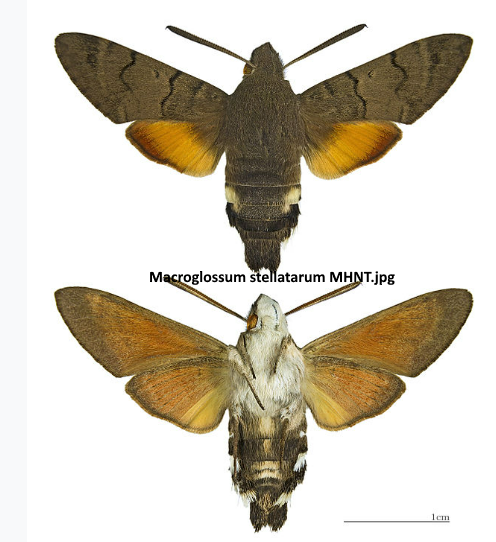
Hummingbird moths, often mistaken for their avian namesakes, are fascinating creatures that share many similarities with hummingbirds. This intriguing resemblance prompts many to wonder if they are actually small birds. However, despite their bird-like appearance and behavior, hummingbird moths are insects belonging to the sphingidae family, commonly referred to as sphinx moths or hawk moths.
Appearance and Behavior that Echo Hummingbirds
At first glance, hummingbird moths might easily be confused with hummingbirds. Their size, hovering behavior, and even their feeding technique are remarkably similar. Hummingbird moths have plump, furry bodies and long proboscises which they use to sip nectar from flowers much like hummingbirds do with their beaks. They are capable of hovering in mid-air by flapping their wings in a blur, creating a humming sound—another trait that makes them resemble hummingbirds.
Their wingspan typically ranges from about 1.2 to 2 inches (30 to 50 mm), depending on the species. These include the clearwing species, whose wings appear transparent, contributing further to their bird-like illusion.

Evolutionary Reasons for Their Mimicry
The mimicry exhibited by hummingbird moths is primarily a survival strategy, termed Batesian mimicry, where a harmless species evolves to imitate the warning signals of a harmful species to deter predators. While hummingbirds aren’t necessarily harmful, they are agile and can be aggressive, traits that can discourage potential predators. Moreover, their rapid movement and small size make them difficult targets. By mimicking hummingbirds, these moths increase their chances of survival through reduced predation.
Historical and Future Evolution
Considering the fossil records and evolutionary studies, the ancestors of modern-day hummingbird moths were quite different millions of years ago. Over evolutionary time, these insects have adapted their flight and feeding behaviors, which has led to their current hummingbird-like appearance and behavior.
Predicting how they might evolve further involves a lot of speculations. However, it is likely that their future evolution will continue to be influenced by environmental changes, availability of food sources, and predation pressures. If flowers that they typically feed on evolve in response to environmental changes, the hummingbird moth’s morphology and behavior might also adapt to maintain its effectiveness in feeding and reproduction.
The Role of Hummingbird Moths in Ecosystems
Hummingbird moths play a crucial role in the ecosystems they inhabit. They are important pollinators for many flowering plants, especially those that bloom at dusk or during the night. As they move from flower to flower seeking nectar, they inadvertently transfer pollen, facilitating the reproductive process of plants.
Conservation and Threats
Like many species, hummingbird moths face threats from habitat destruction and the use of pesticides in agriculture. Their reliance on specific types of flowers also makes them vulnerable to changes in their habitat caused by climate change and human activities. Conservation efforts to protect their natural habitats and promote the growth of native plants can help sustain their populations.
Engaging with the Wonders of Mimicry
The hummingbird moth is a perfect example of nature’s capacity for deception and adaptation through mimicry. For nature enthusiasts and researchers, these moths offer an excellent opportunity to study evolutionary biology and the dynamics of predator-prey relationships in ecosystems. Observing these intriguing creatures can be a delightful experience, providing insights into the complexity of nature and the interconnectedness of species.
Understanding and preserving the delicate balance of our ecosystems is essential, and through increased awareness and scientific inquiry, we can appreciate and protect such unique species as the hummingbird moth. Researchers and conservationists continue to explore the fascinating life of these moths, ensuring that they remain a part of our natural heritage for generations to come.