Exclusive Guide: Best Hummingbird-Friendly Plants
Hummingbird-Friendly Plants for the Southeastern US: A Blooming Calendar
Hummingbird-friendly plants are an enchanting addition to any garden in the Southeastern United States. These delightful birds, known for their vibrant colors and rapid wing beats, play a crucial role in pollination. Creating a garden that supports and attracts hummingbirds not only provides these tiny birds with much-needed resources but also offers gardeners a front-row seat to nature’s ballet. Planning a garden with the right plants that bloom at varying times can ensure a year-round haven for hummingbirds.
Understanding Hummingbird-Friendly Gardens
Before diving into the specific plants to include in your garden, it’s essential to understand what makes a garden truly hummingbird-friendly. Hummingbirds are primarily attracted to brightly colored flowers, especially reds, that are rich in nectar. They prefer tubular shapes that cater to their feeding style. Moreover, the seasonal timing of blooming plants is crucial, as hummingbirds require a continuous source of food to support their high energy needs.

Spring Bloomers to Start the Season
Start your garden with a splash of color and nectar in spring, which is a critical time for hummingbirds returning from migration. Coral honeysuckle (Lonicera sempervirens) is an excellent early bloomer. Native to the southeastern US, this vine thrives with minimal care, climbing trellises and fences to display its trumpet-shaped flowers from March to June.
Another great choice is the Eastern red columbine (Aquilegia canadensis), showcasing distinct red and yellow flowers that resemble small lanterns. Typically blooming in April and May, this plant does well in partial shade and tends to reseed itself, making it a low-maintenance perennial.
Summer Staples for Continuous Blooming
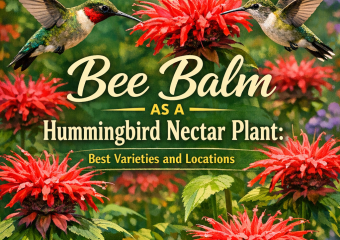
As summer takes hold, it’s vital to have plants that sustain bloom throughout the hot months. Bee balm (Monarda didyma) is a standout with its bright red flowers that look like fireworks. Flourishing in full sun to partial shade, bee balm blooms from early summer to late summer. It’s not only a favorite among hummingbirds but also easy to grow, though it does prefer moist, well-drained soil.
Alongside bee balm, include some purple coneflower (Echinacea purpurea). The coneflower’s prominent seed head, surrounded by purple petals, provides continuous blooming from mid-summer into autumn. It’s remarkably drought-resistant once established, making it ideal for the hotter, drier parts of the Southeast.
Autumn Attractions to Extend the Season
To ensure that hummingbirds have a food source late into the year, plant salvia varieties such as salvia greggii or salvia microphylla. These plants begin blooming in spring but hit their stride in early fall, continuing until frost. With their easy-care nature and resilience in dry conditions, salvias make an excellent choice for gardeners looking to reduce watering chores.
Perennials for Lasting Beauty and Support
Most of the plants mentioned are perennials, coming back year after year. This trait makes them not only economical and easy to maintain but also provides consistent attraction for hummingbirds who return to the same spots annually. Trumpet creeper (Campsis radicans), another vigorous perennial vine, should be handled with care as it can become invasive. However, its large, trumpet-shaped flowers are incredibly effective at attracting hummingbirds from July to November.
Incorporating These Plants Into Your Garden
When planning your hummingbird garden, consider the layout. Group plants with similar watering and light needs together to simplify care. Ensure to include a variety of species to have different plants in bloom throughout the growing season, providing a constant food supply for visiting hummingbirds.
Additionally, despite their natural attraction to red, hummingbirds will visit flowers of all colors as long as they provide ample nectar. Mixing colors not only adds visual interest but might also help attract even more hummingbirds.
Conclusion
Creating a hummingbird-friendly garden in the southeastern US is a rewarding endeavor that helps support local wildlife and brings beauty to your landscape. By selecting the right mix of native, nectar-rich plants that bloom sequentially throughout the seasons, you can enjoy the delightful sight of hummingbirds all year long. Whether you’re an experienced gardener or a beginner, the plants listed above are a great starting point for building a vibrant, hummingbird-friendly environment. Remember to consider plant hardiness and maintenance needs to create a sustainable and thriving garden.